







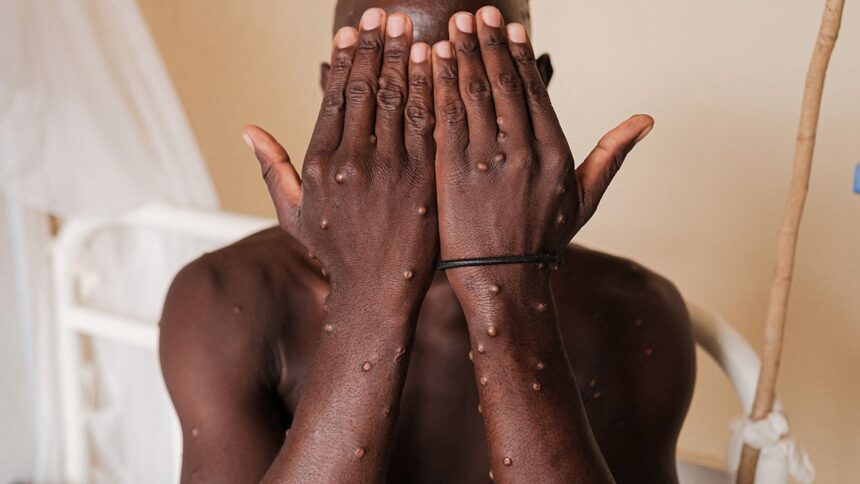
Nakonde District in Muchinga Province is currently on high alert following a rise in MPOX cases, driven by its strategic location at the Zambia-Tanzania border. The district, a key hub for regional trade, tourism, and migration, faces increased risks of cross-border transmission of infectious diseases.
Nakonde District Health Promotions Officer, Getrude Chipampe, reported that as of August 6, 2025, the district has recorded 22 suspected MPOX cases, with 11 confirmed. Speaking to the Zambia News and Information Services (ZANIS), Ms. Chipampe highlighted the challenges posed by the border town’s busy movement of people and goods.
“The Zambia-Tanzania border is a critical intersection for regional trade, tourism and migration increasing the risk of cross-border transmission of infectious diseases,” she explained.
The confirmed cases have presented typical MPOX symptoms including rash, headache, fever, and lymphadenopathy (swollen lymph nodes). Of the 11 confirmed cases, nine patients have recovered and been discharged. Two patients remain admitted at Nakonde Mini Hospital.
The two admitted patients are a couple aged 43 from Katozi Village. They sought medical attention after developing rash, fever, and lymphadenopathy about a week earlier. Their cases were identified through Event Based Surveillance active case searches conducted on August 1, 2025.
Ms. Chipampe urged residents to adopt preventive measures to curb further spread of the disease. She advised avoiding close contact with infected persons, practicing good hand hygiene using soap, staying home when experiencing symptoms, wearing face masks, using condoms during intercourse, and avoiding multiple sexual partners.
She outlined the symptoms of MPOX as fever, severe headache, swollen glands, muscle pain, backache, weakness, skin rash, sore eyes, pain in the rectum, and pain or difficulty in urinating.
MPOX is caused by the Monkeypox virus and is characterized by a rash that resembles pimples or blisters, often accompanied by flu-like symptoms. It can spread from animals to humans and between people through direct contact with bodily fluids, contaminated objects, or close physical contact with an infected individual.
Nakonde District’s proactive surveillance and public health messaging aim to contain the outbreak while minimizing disruptions to the vital cross-border activities that drive the local economy.
The situation underscores the importance of coordinated regional health efforts at border points to quickly detect and respond to infectious disease threats in highly interconnected communities.
Authorities continue monitoring the situation closely and encourage the public to remain vigilant and comply with recommended health guidelines to protect themselves and others from MPOX infection.