






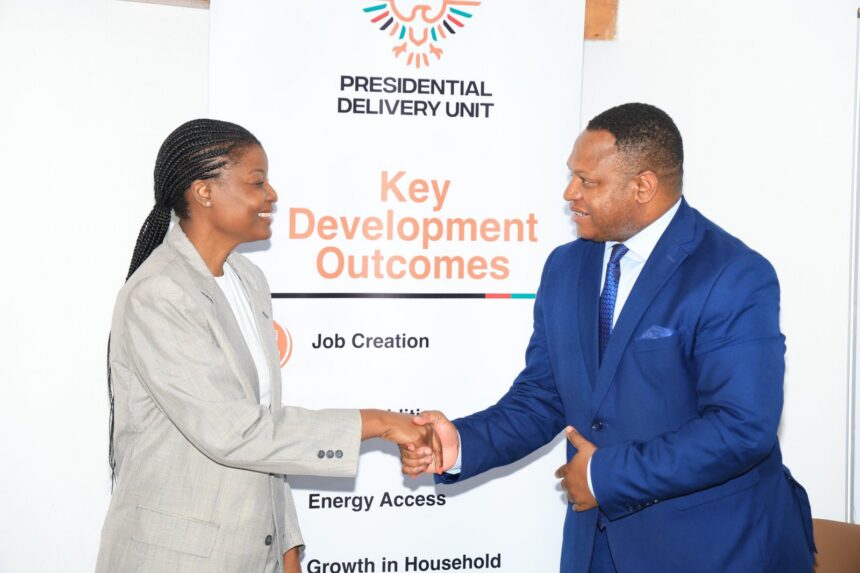
The Presidential Delivery Unit recently held a strategic engagement with the Independent Broadcasting Authority aimed at strengthening community broadcasting and expanding public access to development information across Zambia. The meeting highlighted the growing importance of local media in promoting inclusive national development and improving communication between Government institutions and citizens. Community radio stations were identified as essential platforms that continue to serve millions of people, especially in rural and underserved areas where access to mainstream media and digital services remains limited. Officials at the engagement emphasized that informed citizens are better positioned to participate in development programmes and make use of opportunities provided through Government initiatives. The discussions reflected a broader national effort to improve communication systems that support transparency, accountability, and citizen engagement.
For many communities across Zambia, community radio remains one of the most reliable and accessible sources of information. These stations provide critical updates on health services, agricultural programmes, educational opportunities, employment initiatives, and Government support systems. In rural areas where internet access and television coverage may be limited, radio continues to play a central role in daily life and community development. The ability of local broadcasters to communicate in local languages also helps bridge information gaps and ensures that important messages reach wider audiences. Strengthening community radio therefore goes beyond media development because it directly contributes to social inclusion, public awareness, and grassroots participation in national development processes.
During the engagement, Presidential Delivery Unit head Ms. Kusobile Kamwambi stressed the importance of ensuring that citizens receive timely and accurate information as Government accelerates the implementation of development programmes. She noted that communities deserve clear communication about opportunities and services available through initiatives such as the Constituency Development Fund and the Access to Information Act. According to Ms. Kamwambi, access to information allows citizens to engage more effectively with Government programmes and hold institutions accountable. She explained that communication should not only focus on urban centres but must also reach remote communities that rely heavily on community broadcasters for updates and guidance. Her remarks underscored the importance of building communication systems that place citizens at the centre of development efforts.
Ms. Kamwambi further revealed that nearly K9 million has been invested in community radio initiatives between 2022 and 2025 through increased Constituency Development Fund support. She described this investment as a sign that communities themselves are recognising the value of local broadcasting in promoting development and public participation. The funding has contributed to the improvement of communication infrastructure and operational capacity for various community radio stations across the country. These investments are expected to strengthen the ability of broadcasters to deliver accurate and timely information to local audiences. By supporting community media, Government and local communities are helping create platforms that encourage civic engagement and improve access to public services.
Independent Broadcasting Authority director general Webster Malido reaffirmed the important role broadcasting plays in connecting citizens to Zambia’s national development agenda. He disclosed that Zambia currently has 259 broadcasting stations, including 110 community radio stations operating in different regions of the country. According to Mr. Malido, the growth of the broadcasting sector demonstrates the increasing importance of media in development communication and public education. He emphasized that community broadcasters are particularly important because they provide localized content that addresses the unique needs and concerns of specific communities. The continued expansion of broadcasting services also reflects rising demand for accessible information and stronger public engagement across Zambia.
The engagement also addressed the sustainability challenges facing community and privately-owned broadcasters. Participants acknowledged that many stations continue to struggle with financial limitations, operational costs, and limited advertising revenue despite their important public role. Officials stressed the need to develop stronger sustainability mechanisms that can help these broadcasters remain viable and continue serving their communities effectively. There was agreement that community radio stations require long term support if they are to maintain quality programming and contribute meaningfully to development communication. Strengthening these stations is seen as essential for ensuring that citizens continue to receive reliable information on issues that affect their daily lives.
Both the Presidential Delivery Unit and the Independent Broadcasting Authority reaffirmed their commitment to supporting a responsible, resilient, and people centred broadcasting sector. They emphasized that strong communication systems are necessary for improving public participation, countering misinformation, and strengthening trust between citizens and institutions. The meeting reflected a shared understanding that development communication must remain inclusive and accessible to all communities regardless of location. As Zambia continues implementing key national programmes, community broadcasters are expected to play an even greater role in connecting people to opportunities and services. The engagement ended with renewed commitment to building a stronger broadcasting sector capable of empowering communities and supporting Zambia’s long term national development goals.