




Government communication leaders and media professionals gathered in Siavonga for the official opening of the Government Public Relations and Crisis Management Training, where senior officials emphasized the critical role of communication in modern governance. Speaking at the event, Mr Kawana highlighted that communication sits at the centre of effective public administration and national development. He explained that it supports transparency, strengthens institutional credibility, and builds long term public trust in government systems. He also noted that when citizens are well informed, they are more likely to participate meaningfully in development processes. The training brought together communication practitioners to improve skills that are essential in managing public information during both routine governance and emergency situations.
Mr Kawana stressed that poor communication can create serious challenges for institutions, especially in a fast changing information environment. He pointed out that misinformation and confusion often spread quickly when communication is delayed or inconsistent. In such cases, public confidence can weaken even if the original issue is not severe. He added that in today’s digital age, crises can emerge without warning and spread rapidly across multiple platforms. This makes clear, timely, and accurate messaging a core responsibility for government communication teams who must ensure the public receives reliable information at all times.
The training also focused on strengthening crisis preparedness across Ministries, Departments, and Agencies. Mr Kawana called on institutions to adopt proactive communication strategies instead of reacting after problems escalate. He emphasized that delays in communication can be as damaging as the crisis itself because they allow speculation to grow. Communication professionals were described as custodians of public trust who often serve as first responders during emergencies. Participants were encouraged to actively engage in the week long programme, share practical experiences, and build stronger professional networks that can improve coordination when responding to national challenges.
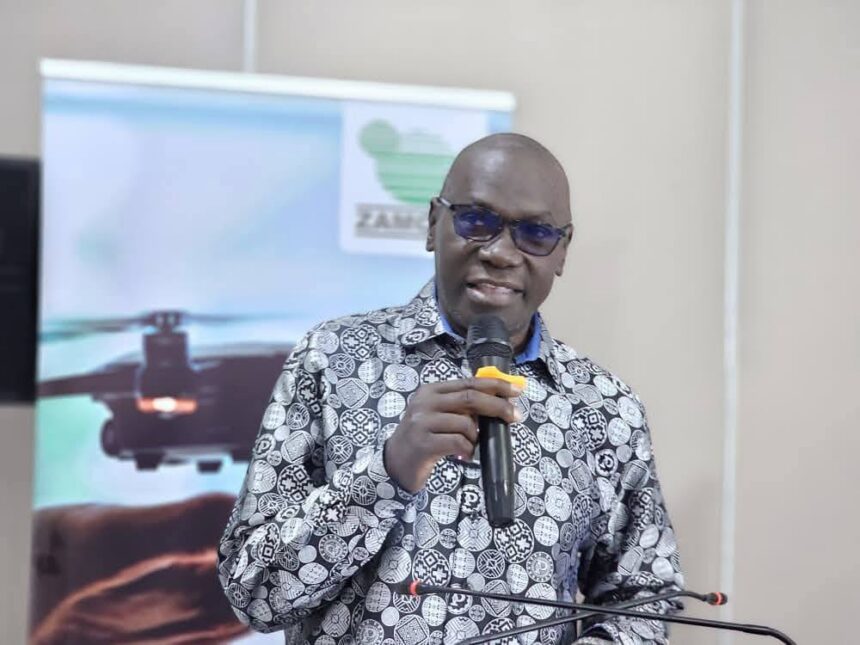
ZAMCOM Executive Director Kennedy Mwila also addressed participants and outlined the institution’s growing role in media and communication development. He explained that ZAMCOM has evolved into a multimedia organisation that delivers comprehensive media services and training solutions across Zambia. He noted that over the years, the institution has trained journalists, public relations officers, and communication specialists working in different sectors of the country. He further revealed that last year alone, 52 public relations officers from government institutions received specialised training in communication best practices. Mwila also highlighted recent efforts, including a virtual training programme that reached over 185 media practitioners in political and electoral reporting ahead of upcoming general elections, showing ZAMCOM’s continued investment in professional capacity building.
The current training in Siavonga is designed to strengthen communication principles and equip practitioners with practical skills for managing reputational risks in public institutions. Participants are expected to gain deeper understanding of crisis communication techniques that help protect organisational credibility during sensitive situations. The programme also reinforces the importance of collaboration between communication officers across different government sectors. By improving coordination, institutions can respond more effectively during emergencies and reduce the spread of misinformation. The training reflects a broader national effort to modernize public communication systems and ensure they meet the demands of a fast evolving information landscape.