






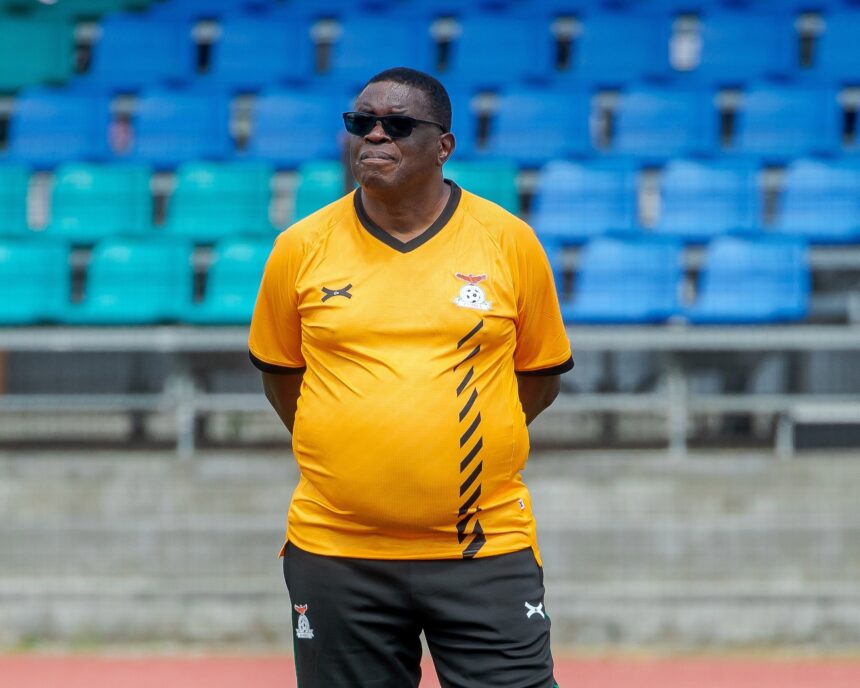
George Lwandamina has called for unity, humility and serious preparation as Zambia begins its journey toward qualification for the 2027 Africa Cup of Nations. The veteran coach shared his thoughts after the Chipolopolo were drawn in Group I alongside two time African champions Algeria, Togo and Burundi. The draw has already generated excitement among football supporters across Zambia, with many viewing the group as highly competitive. Lwandamina believes every team in the group has an equal opportunity to qualify if they prepare properly for the campaign. His message focused less on the strength of opponents and more on the importance of discipline, planning and national unity. Zambia will begin its qualification campaign in September 2026 as the race toward the PAMOJA 2027 tournament officially gets underway.
Speaking after the draw, Lwandamina stated that qualification will not be determined by reputation alone. He explained that the real difference between success and failure will come from how well teams prepare before the matches begin. According to the coach, every nation in the group has talented players and the ability to compete at a high level. He emphasized that Zambia also possesses players capable of matching the best teams on the African continent. Lwandamina stressed that preparation includes tactical planning, physical conditioning and creating a united squad focused on one objective. His comments reflect growing awareness that African football has become more competitive, with smaller nations continuing to improve their standards and challenge traditional powerhouses.
The Chipolopolo coach also delivered a strong message to players about representing the nation with humility and commitment. He urged the squad to remove pride and focus on fighting for Zambia as one united team. According to Lwandamina, national duty should rise above individual interests or personal recognition. He reminded players and supporters that Zambia has only one national team and that everyone must work together to achieve success. His appeal comes at a time when football fans expect the team to return to major continental prominence. The coach believes a strong sense of unity can give Zambia an important advantage during difficult qualification matches.
Lwandamina repeatedly returned to the issue of preparation as the key factor that could define Zambia’s campaign. He stated that Zambia already has quality players who can compete effectively at international level. However, he warned that talent alone will not be enough without proper organisation and support structures. He explained that investment in training camps, match preparation and technical planning will be critical before facing opponents like Algeria, Togo and Burundi. The veteran trainer believes that countries that prepare seriously often gain the upper hand during long qualification campaigns. His comments highlight the growing importance of professionalism and long term planning in modern African football.
The coach also appealed to the Zambian public to rally behind the national team throughout the qualifiers. He acknowledged that team selections may not always satisfy every supporter, but emphasized the need for national support regardless of disagreements. Lwandamina called on fans to push in one direction and support the players wearing national colours. He believes strong backing from supporters can motivate the squad and create positive momentum during important matches. Football remains one of Zambia’s strongest unifying forces, and public support is expected to play a major role during the qualification journey. His message encouraged unity between players, technical staff and supporters as the nation targets a place at the tournament.
Zambia’s Group I assignment is expected to attract major attention because of the presence of Algeria, one of Africa’s most successful football nations. Algeria’s experience and international pedigree make them one of the favourites in the group, but Zambia will also view the qualifiers as an opportunity to prove its growth and competitiveness. Togo and Burundi are also expected to provide difficult challenges, especially given the increasingly balanced nature of African football competitions. Only the top two teams in each group will qualify for the TotalEnergies AFCON PAMOJA 2027 tournament, while groups involving host nations will compete for one qualification slot. This format increases the pressure on every match and makes consistency extremely important throughout the campaign. Zambia will need strong performances both at home and away if they hope to secure qualification.
The qualification schedule has already been confirmed, with the first two matchdays set for the FIFA International Window between 21 September and 6 October 2026. Matchdays three and four will take place from 9 to 17 November 2026, while the final two games are scheduled between 22 and 30 March 2027. These fixtures will determine which nations secure places at the 20th edition of the Africa Cup of Nations. The final tournament will be hosted jointly by Kenya, Uganda and Tanzania from 19 June to 17 July 2027. The co hosting arrangement reflects the continued growth of football infrastructure and regional cooperation in East Africa. The tournament is expected to become one of the biggest sporting events ever hosted in the region.
As Zambia prepares for the road to AFCON 2027, the focus now shifts toward building a competitive and united squad capable of handling the demands of the qualifiers. Lwandamina’s message has made it clear that preparation, discipline and collective effort will determine the team’s success more than the draw itself. The coach believes Zambia has enough talent to compete strongly if the right support systems are put in place before the campaign begins. Supporters across the country will now be watching closely as the team begins preparations for the important fixtures ahead. With national pride at stake and qualification places limited, Zambia faces a challenging but achievable path toward returning to Africa’s biggest football stage.