






The government of Hakainde Hichilema has restated its commitment to transforming agriculture into a modern, resilient and export focused sector. The announcement highlights a clear national direction aimed at strengthening food systems and improving long term economic stability. It comes at a time when many African countries are rethinking agricultural productivity and rural development strategies. The message also reflects Zambia’s intent to move beyond subsistence farming and build a competitive agricultural economy. Strong political backing is being positioned as the foundation for these reforms.
During recent discussions, insights from Cao Duc Phat were highlighted as an example of what structured agricultural reform can achieve. His experience in agricultural transformation in Vietnam was used to underline the importance of clear policy direction, investment in irrigation and adoption of modern farming technologies. Zambia is now prioritising production targets that can be tracked and achieved over defined periods. The government is also increasing investment in irrigation systems to reduce dependence on rainfall and improve year round production capacity. Rural infrastructure development is being accelerated to ensure farmers can access markets more efficiently and reduce post harvest losses. These combined efforts are designed to create a more reliable and productive agricultural base.
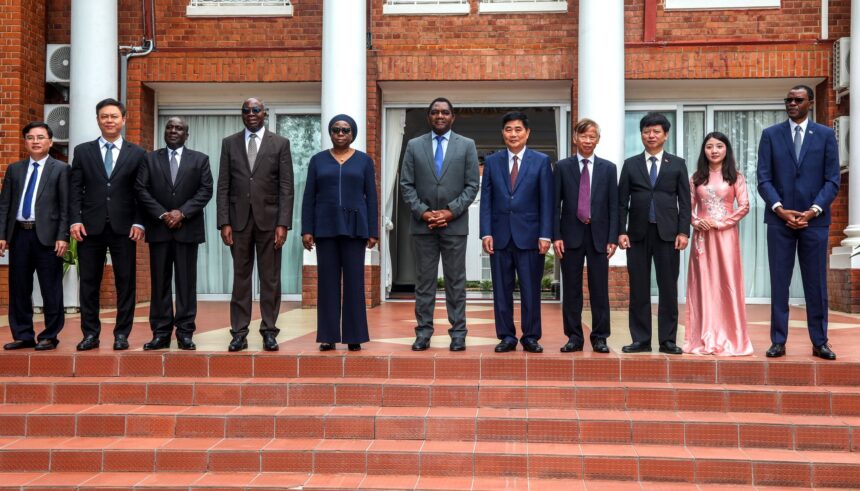
Vice President W.K Mutale-Nalumango reinforced the country’s readiness to deepen cooperation with Vietnam in areas of shared agricultural growth. The focus includes improving food security, increasing farmer incomes and expanding export potential through structured partnerships. Collaboration is expected to support knowledge transfer in farming techniques, technology adoption and value chain development. Zambia is positioning itself to learn from successful reform models while adapting them to local conditions and resources. The government believes the current period presents a critical opportunity to fully unlock agricultural potential. This direction reflects a long term strategy aimed at sustainable economic transformation led by the agricultural sector.