





Zambia and the Democratic Republic of Congo are moving faster to implement the Simplified Trade Regime, a major cross-border trade framework designed to support small-scale traders. The two countries see the initiative as a key tool for boosting income opportunities, especially for women and young people who depend heavily on informal trade. After more than seven years of discussions and coordination, both governments are now close to launching full operational systems. The focus is on making trade easier, safer, and more structured at the border. Officials describe this moment as a turning point for regional trade integration and economic inclusion.
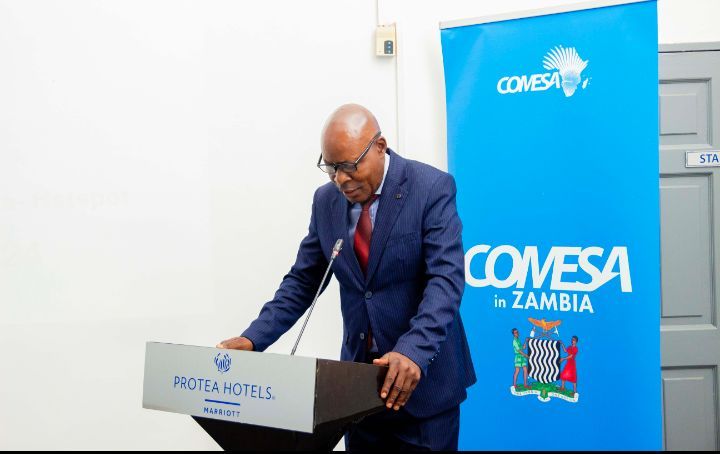
A recent Technical Meeting marked an important step toward finalising the implementation process. Chairperson Patricia Mwela explained that the discussions build on earlier engagements between the two countries, including a key meeting held in February that helped shape the current progress. She stated that the process is now in a final stage and moving toward the official launch. The meeting is designed to ensure that all systems are aligned before implementation begins. She also highlighted that cooperation between technical teams is essential for success. Participants were encouraged to share ideas that can strengthen the framework and improve how traders experience border processes.
The Simplified Trade Regime is designed to reduce the complexity of customs procedures for small traders crossing between Zambia and the Democratic Republic of Congo. It allows eligible traders to benefit from reduced documentation requirements and preferential trade rates. The goal is to bring informal cross-border trade into a structured system that increases transparency and government revenue while protecting traders. New infrastructure at Kasumbalesa border post has been highlighted as a major support point for the system. The upgraded facilities are expected to improve efficiency, reduce delays, and create a more organized trading environment. Officials believe this will directly improve livelihoods in border communities.
The Common Market for Eastern and Southern Africa, known as COMESA, has played a key technical and policy role in supporting the project. Representatives from COMESA emphasized that the Simplified Trade Regime is a practical solution aimed at addressing unemployment and poverty in the region. The system is designed to streamline customs processes and support small consignments that are often ignored in traditional trade systems. It also encourages formalisation of trade activities that have long operated informally across borders. The Facilitating Inclusive, Resilient and Sustainable Trade project has also reinforced the importance of inclusivity. Officials involved in the project noted that more than 70 percent of small-scale cross-border traders are women and youth who rely on trade for daily survival.
Co-chairperson Laurent Mbuyamba confirmed that the Congolese delegation is fully committed to resolving outstanding technical issues to ensure smooth implementation. He stated that both countries share a common goal of making the system functional and beneficial for traders on both sides of the border. The collaboration reflects stronger bilateral relations and a shared commitment to regional economic development. The Technical and Ministerial Meeting taking place in Chingola is expected to finalise key operational details before the official launch at Kasumbalesa. The launch is scheduled for 30 April 2026 and is expected to mark a new phase in cross-border trade management between the two countries.
The implementation of the Simplified Trade Regime is expected to transform small-scale cross-border trade by reducing barriers and improving efficiency at key border points. Traders will benefit from clearer procedures, reduced delays, and better access to formal trade channels. Governments are also expected to improve revenue collection through more structured systems. The initiative is positioned as a long-term solution for economic empowerment and regional integration. As Zambia and the Democratic Republic of Congo move closer to full implementation, the success of the framework will depend on continued cooperation, effective management, and strong support for traders who form the backbone of cross-border commerce.