





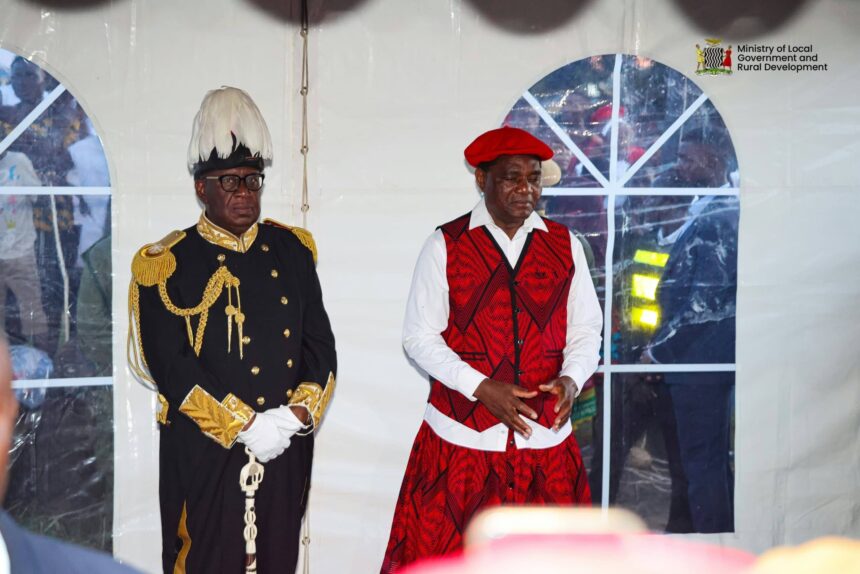
This year’s Kuomboka traditional ceremony of the Lozi people stood out as a powerful display of culture, leadership, and national pride. Held on Saturday, 29 March 2026, the event drew thousands of attendees from across Zambia and beyond, all eager to witness one of the country’s most iconic cultural celebrations. The ceremony was officiated by Republican President Dr. Hakainde Hichilema, who attended alongside the Minister of Local Government and Rural Development, Honourable Gift Sialubalo, MP, and other dignitaries. Their presence highlighted the importance of preserving and celebrating Zambia’s diverse cultural heritage. The Kuomboka ceremony continues to serve as a key moment on the national calendar, blending tradition with modern recognition at the highest level of leadership.
At its core, Kuomboka is a deeply symbolic event rooted in the seasonal rhythms of the Barotse floodplain. The ceremony marks the movement of the Litunga, the king of the Lozi people, from his summer residence at Lealui in the flooded plains to his winter home in Limulunga on higher ground. This migration is not only practical but also ceremonial, reflecting adaptation to nature and respect for ancestral customs. The journey represents resilience and continuity, as the Litunga remains in Limulunga until the floodwaters recede around June or July. The name Kuomboka, meaning “getting out of water,” captures the essence of this transition and its importance to the Lozi way of life.
The ceremony is also a vivid expression of cultural identity, with traditional music, dance, and attire taking center stage. Women adorned in the Musisi dress and men in the Siziba suit create a striking visual representation of Lozi heritage. The sounds of drums and traditional songs echo across the plains, bringing energy and rhythm to the occasion. Each performance carries meaning, passing down stories and values from one generation to the next. This cultural display ensures that the traditions of the Lozi people remain alive and relevant in a rapidly changing world.
One of the most iconic elements of the Kuomboka ceremony is the Nalikwanda barge, which carries the Litunga on his journey. The barge features a large elephant statue, symbolizing the strength, authority, and dignity of the Lozi king. The paddlers, dressed in red berets and animal skins, move in perfect coordination, demonstrating discipline and unity. Their synchronized effort reflects the collective strength of the community and their respect for leadership. This visual spectacle draws attention from both local and international audiences, making it one of the most photographed moments of the ceremony.
Beyond its cultural significance, Kuomboka plays a major role in promoting unity and social cohesion. The ceremony brings together people from different regions, backgrounds, and even countries, all united in celebration of Lozi heritage. It strengthens the bond between the Litunga and his people, reinforcing the importance of leadership rooted in tradition and service. The presence of national leaders further bridges the gap between traditional authority and modern governance. This connection helps foster a shared sense of identity and belonging among Zambians.
The economic impact of the Kuomboka ceremony is also significant, especially for the Western Province. As one of Zambia’s largest traditional festivals, it attracts tourists, media, and cultural enthusiasts, boosting local businesses and hospitality services. Hotels, transport providers, and local vendors benefit from the increased activity during this period. The event creates opportunities for artisans and performers to showcase their work to a broader audience. This influx of visitors contributes to regional development and highlights the value of cultural tourism as a driver of economic growth.
This year’s Kuomboka ceremony reaffirmed its place as a cornerstone of Zambia’s cultural landscape. The participation of President Hakainde Hichilema and other leaders added national importance to an already significant tradition. The event successfully combined heritage, leadership, and economic opportunity into a single powerful experience. It reminded attendees of the importance of preserving cultural practices while embracing progress. As the Litunga made his symbolic journey to higher ground, the ceremony once again demonstrated the enduring strength and unity of the Lozi people.