







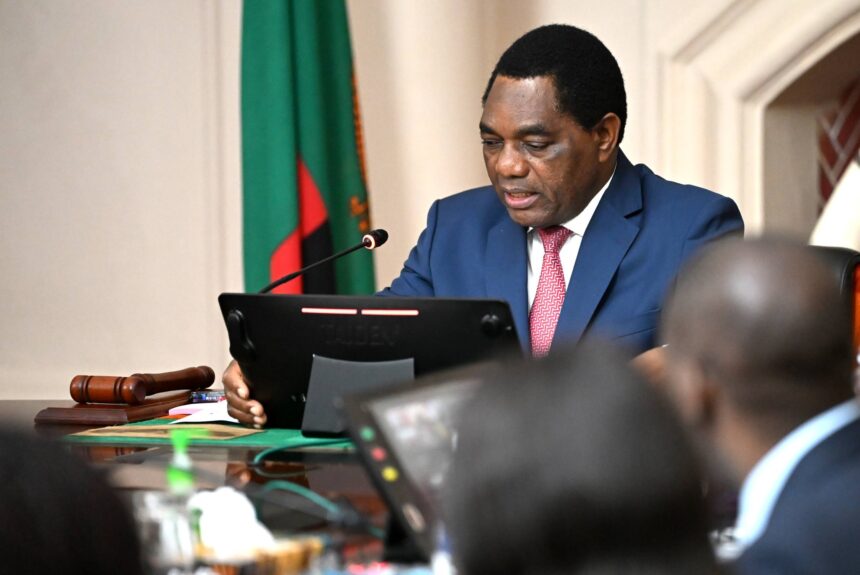
African leaders gathered yesterday afternoon for the third session of the African Union Reform Committee, chaired by His Excellency President William Samoei Ruto of Kenya. The session focused on improving the efficiency and impact of AU institutions, aiming to make them more responsive to the needs of citizens across the continent. Discussions highlighted the importance of ensuring that decisions translate into tangible outcomes for ordinary Africans, from urban professionals to rural communities. Leaders emphasized that reform should prioritize action and results rather than bureaucracy, with a firm commitment to making the AU work for people.
The meeting underscored the need to center policies on citizens’ everyday challenges. Mothers in Mongu, young graduates in Lusaka, and farmers in Mkushi all face obstacles that require practical solutions. Leaders stressed that AU programs should be designed to address these real-life issues, ensuring inclusivity and relevance. Streamlining institutional processes and enhancing coordination were seen as essential steps to make policies more timely and effective. By measuring success through improvements in citizens’ lives, the AU can rebuild trust and demonstrate its value across the continent.
Boosting intra-African trade was identified as a critical area for reform. Currently, Africa trades more with countries outside the continent than with one another, limiting economic growth and resilience. Strengthening regional integration could generate jobs, improve livelihoods, and drive sustainable development. Leaders highlighted the need to reduce trade barriers, improve transport networks, and facilitate cross-border investment. Increased trade between African nations promises to empower communities and reduce dependency on external markets, creating a more self-reliant and prosperous continent.
The session made clear that reform must produce measurable results. AU institutions are expected to operate efficiently, implement policies effectively, and deliver concrete benefits to citizens. Strengthening governance, enhancing accountability, and promoting collaboration among member states were identified as key to this process. Leaders agreed that the African Union should be evaluated by the impact it has on daily life, rather than its formal structures or processes. Focused leadership and sustained commitment to citizen-centered reform can transform these objectives into meaningful change for Africans across the continent.