

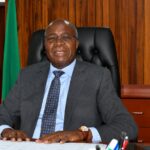




Zambia’s Minister of Finance and National Planning, Dr. Situmbeko Musokotwane, has expressed concern over the sudden withdrawal of international aid, stating that while the country anticipated eventual self-reliance, the abruptness of the shift has created significant challenges for economic planning and development.
Dr. Musokotwane made the remarks on Monday during a high-level meeting at State House between President Hakainde Hichilema and Norway’s Minister of International Development, Asmund Aukrust. The meeting focused on strengthening Zambia-Norway cooperation and addressing pressing issues surrounding global development finance.
Highlighting the mounting difficulties African nations face in the current economic climate, Dr. Musokotwane described this as one of the most challenging periods for international development finance.
“The challenge of international development finance—it has never been bigger than what we see today,” he said. “I think for us in Africa, we knew that assistance, aid, would not be perpetual, at some point it has to end. What has been a little bit difficult, though, is the abrupt nature with which it is ending.”
According to Dr. Musokotwane, the rapid withdrawal of aid, particularly from traditional donor partners, has created fiscal gaps that developing nations were not fully prepared to absorb. He explained that Zambia had begun laying the groundwork for reduced dependence on foreign assistance, but the pace of disengagement by some international donors has caught governments off-guard.
The Minister emphasized the importance of strategic, long-term partnerships that support capacity-building, investment, and sustainable development, rather than short-term relief that leaves countries vulnerable when it ends suddenly.
The meeting with Minister Aukrust also underscored the need for innovative financing models to support climate resilience, infrastructure, and human capital development in African countries. President Hichilema reaffirmed Zambia’s commitment to economic reforms and transparent governance to attract private capital and global partnerships.
As global economic headwinds, including inflation and geopolitical tensions, continue to strain development budgets worldwide, Zambia’s call for a balanced, predictable transition from aid to self-reliance resonates across the continent.
With the international development landscape shifting rapidly, Dr. Musokotwane’s remarks serve as a reminder that while African nations aim for economic independence, the journey must be supported by strategic cooperation that avoids abrupt disruptions and builds sustainable foundations for growth.