






The Zambian government has initiated discussions with the Government of Brazil for technical cooperation and support in developing a comprehensive agriculture master plan for the Lobito Railway Development Corridor. The move is part of a broader strategy to unlock the economic potential of the corridor and transform it into a thriving hub for agricultural investment and trade.
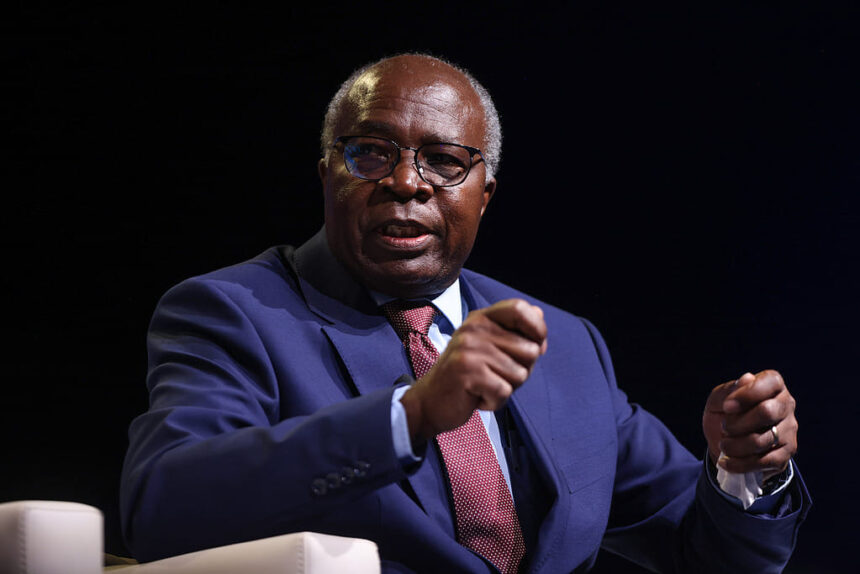
Minister of Finance and National Planning, Dr Situmbeko Musokotwane, revealed that President Hakainde Hichilema envisions a dynamic and business-friendly ecosystem along the Lobito Corridor—one that is attractive to both local and international investors. In a statement issued by the Office of the Secretary to the Treasury, the master plan is expected to play a pivotal role in enhancing economic productivity through agricultural development.
Dr Musokotwane, accompanied by Agriculture Minister Mtolo Phiri, is currently in Brasília, Brazil, where they are engaging with Brazilian officials and institutions on the scope of the proposed cooperation. The partnership aims to leverage Brazil’s global expertise in large-scale agriculture, sustainable farming practices, and rural development to design a master plan tailored to Zambia’s vision for the Lobito Corridor.
The Lobito Railway Corridor, which connects Zambia to Angola’s Atlantic coast, presents a strategic opportunity to accelerate trade, reduce transportation costs, and improve market access for Zambian farmers and agribusinesses. The agriculture master plan is expected to outline investment frameworks, land use strategies, value chain development, and capacity-building mechanisms that will attract both public and private sector players.
The initiative aligns with Zambia’s long-term economic agenda to diversify away from over-reliance on mining and position agriculture as a key engine for inclusive growth and job creation. Through targeted planning and international cooperation, the government aims to transform the Lobito Corridor into a regional model for integrated agricultural development.
As consultations continue in Brazil, both governments are expected to finalize frameworks for collaboration that will guide the development and eventual implementation of the master plan. The engagement signals Zambia’s commitment to innovative partnerships that support infrastructure-led growth and sustainable development across key economic sectors.