






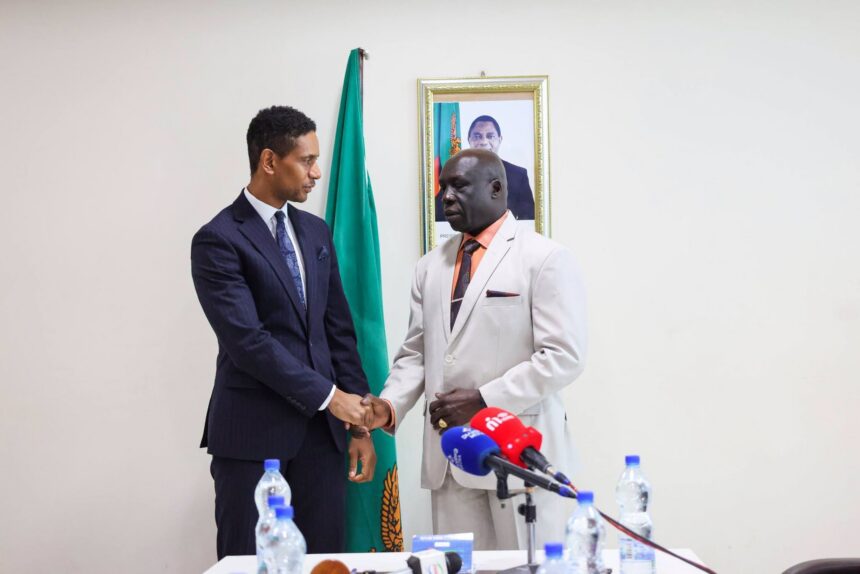
The World Health Organisation (WHO) has pledged to increase technical support to all 116 local authorities in Zambia as part of efforts to strengthen Water, Sanitation and Hygiene (WASH) services and accelerate the country’s ambition to eliminate cholera by 2030. The commitment is expected to strengthen the capacity of local councils to address sanitation challenges, improve waste management and expand access to safe water. WHO Country Representative to Zambia, Dr Clement Lasuba, announced the commitment during a courtesy call on the Ministry of Local Government and Rural Development Permanent Secretary for Administration, Dr Gabriel Pollen. The meeting focused on strengthening cooperation between WHO and the Government in improving public health through better municipal services and sustainable sanitation systems. The partnership comes at an important time as Zambia continues working to prevent waterborne diseases and improve access to essential services in communities across the country.
Dr Lasuba explained that WHO’s technical support would focus on helping local authorities improve their ability to plan, prioritise and implement WASH investments. This includes strengthening local councils’ capacity to identify communities with urgent water and sanitation needs and allocate available resources more effectively. Improved planning is important because local authorities are responsible for delivering many of the municipal services that directly affect public health. These responsibilities include sanitation management, waste collection and maintaining environments that reduce the spread of infectious diseases. By strengthening the technical capacity of councils, WHO hopes to support more effective and sustainable WASH interventions across Zambia.
Another key area of the proposed support will involve improving municipal solid waste management. Poor waste disposal can contribute to environmental pollution, block drainage systems and create conditions that increase public health risks. In communities where waste collection and disposal systems are inadequate, sanitation challenges can become more difficult to control. Stronger municipal waste management systems can help councils maintain cleaner neighbourhoods and reduce exposure to disease-causing organisms. WHO’s commitment is therefore expected to support local authorities in addressing sanitation problems through better planning, improved management practices and stronger public health monitoring.
Dr Lasuba also emphasised the important role local authorities play in addressing the root causes of waterborne diseases. Local councils are often the first point of responsibility for municipal services that influence the health and safety of residents. Their work in maintaining sanitation facilities, managing waste and supporting access to safe water can have a direct impact on disease prevention. Strengthening these services is particularly important in densely populated communities where poor sanitation can increase the risk of cholera transmission. WHO’s planned technical assistance will therefore focus not only on improving infrastructure but also on strengthening the systems needed to monitor the public health impact of sanitation and hygiene interventions.
Meanwhile, Dr Pollen welcomed WHO’s continued partnership and reaffirmed Government’s commitment to improving water and sanitation infrastructure across the country. He highlighted investments made through the Constituency Development Fund (CDF) and other financing mechanisms, which have contributed to expanding water points and improving access to safe drinking water. These investments form part of broader efforts to strengthen local infrastructure and address service delivery challenges in communities. Access to clean and safe water remains essential for preventing waterborne diseases and improving the quality of life for households. Government recognises that sustained investment in water supply and sanitation infrastructure is necessary to achieve long-term improvements in public health.
Dr Pollen also called for increased bilateral support from WHO and other cooperating partners to complement Government’s ongoing efforts. He noted the importance of additional cooperation in accelerating the provision of sustainable WASH services across Zambia. Although Government investments have helped expand access to water infrastructure, continued support is important to address the remaining gaps in water supply, sanitation and hygiene services. Cooperation with international health organisations can also provide local authorities with technical knowledge and practical support to improve service delivery. Such partnerships can help ensure that resources are directed towards interventions that produce lasting benefits for communities.
Zambia’s ambition to eliminate cholera by 2030 requires coordinated action across several sectors, particularly health, water supply, sanitation and local government. Cholera is a waterborne disease that spreads through the consumption of water or food contaminated with the bacterium responsible for the infection. Communities without reliable access to safe drinking water and adequate sanitation face greater risks of outbreaks. Preventing cholera therefore requires more than responding to infections after an outbreak has occurred. It also requires sustained investment in clean water systems, proper waste disposal, improved sanitation facilities and public awareness about hygiene practices.
The planned collaboration between WHO and the Ministry of Local Government and Rural Development is significant because it recognises the connection between municipal service delivery and public health. Health authorities play an important role in disease surveillance, outbreak response and public health education, while local authorities are responsible for many of the services that help prevent disease transmission. Better coordination between these institutions can improve the identification of sanitation risks and strengthen preventive measures. It can also help ensure that local development programmes support national public health priorities. Bringing the two sectors closer together is therefore an important step towards building stronger and more resilient communities.
The involvement of all 116 local authorities is particularly important because sanitation and water access challenges differ from one district to another. Some communities may require expanded water infrastructure, while others may need improved waste collection, drainage systems or better sanitation facilities. Local councils need the technical capacity to identify these specific challenges and develop solutions that respond to the needs of their residents. WHO’s proposed support could help strengthen this planning process and improve the monitoring of interventions across the country. A coordinated approach will also make it easier to assess progress towards Zambia’s 2030 cholera elimination ambition.
Both WHO and the Government have reaffirmed their commitment to strengthening cooperation between the health and local government sectors to improve public health and prevent future disease outbreaks. The partnership places greater emphasis on addressing the environmental and infrastructure challenges that contribute to the spread of waterborne diseases. Government investments through the CDF and other financing arrangements, combined with WHO’s technical assistance, are expected to support efforts to improve access to safe water and sanitation services. However, achieving sustainable results will require consistent funding, effective implementation and accountability at every level of service delivery. With the 2030 cholera elimination target approaching, strengthening the capacity of all 116 local authorities will be an important part of Zambia’s efforts to protect public health and ensure that more communities have access to safe water, proper sanitation and improved hygiene services.