







The government has commenced the structuring of a New Cancer Treatment Centre (NCTC) as part of a strategic national response to the rising burden of cancer cases and the urgent need to decentralize specialized healthcare services across Zambia. This development marks a significant step in strengthening the country’s oncology care system and improving access to life-saving treatment for patients outside Lusaka. The initiative reflects growing concern over the increasing number of cancer diagnoses and the pressure placed on existing health facilities. It also signals a long-term commitment to expanding equitable healthcare delivery across all regions. The move has been widely viewed as a critical milestone in addressing gaps in specialized medical care.
Ministry of Health Permanent Secretary for Technical Services, Dr. Kennedy Lishimpi, explained that cancer remains one of the leading causes of illness and death in Zambia, requiring urgent and sustained national action. He made these remarks in Ndola during the official opening of a workshop dedicated to the structuring of the new centre. Dr. Lishimpi emphasized that the government is focused on building a healthcare system that is both accessible and patient-centered. He noted that the increasing cancer burden demands deliberate planning and long-term investment in medical infrastructure. His remarks highlighted the importance of coordinated efforts in tackling complex health challenges.
Dr. Lishimpi also reflected on the establishment of the Cancer Diseases Hospital (CDH) in Lusaka, describing it as a historic achievement in Zambia’s healthcare system. The facility has played a vital role in providing specialized diagnosis, treatment, training and research for thousands of patients locally and from neighbouring countries. However, he acknowledged that the hospital is now operating beyond its intended capacity due to rising demand. This overutilization has resulted in longer waiting times for patients seeking treatment. It has also placed significant strain on healthcare workers and medical equipment.
The Permanent Secretary expressed concern about the pressure currently experienced at the CDH, noting that a single facility can no longer adequately meet national demand for cancer services. He explained that the high patient volumes have created operational challenges that affect service delivery efficiency. These challenges include delays in treatment and increased workload for medical professionals. He stressed that such conditions underscore the urgent need for expanded infrastructure. According to him, the health system must evolve to match the growing needs of the population.
The establishment of the New Cancer Treatment Centre is expected to significantly reduce congestion at the Lusaka-based Cancer Diseases Hospital once it becomes operational. Dr. Lishimpi stated that the new facility will serve as a key intervention in redistributing patient load and improving access to specialized care. It will also enhance early diagnosis and treatment outcomes by bringing services closer to patients in other regions. The Copperbelt and northern regions are expected to benefit directly from the expansion. This will reduce the need for patients to travel long distances to Lusaka for treatment.
Beyond decongestion, the new centre is set to transform cancer care delivery in Zambia by improving regional access to specialized oncology services. Patients in underserved areas will have better access to treatment without the financial and logistical burden of long-distance travel. The initiative is also expected to improve continuity of care, which is critical in cancer management. By decentralizing services, the government aims to ensure more timely interventions and better survival outcomes. The project is therefore positioned as a major step forward in national healthcare reform.
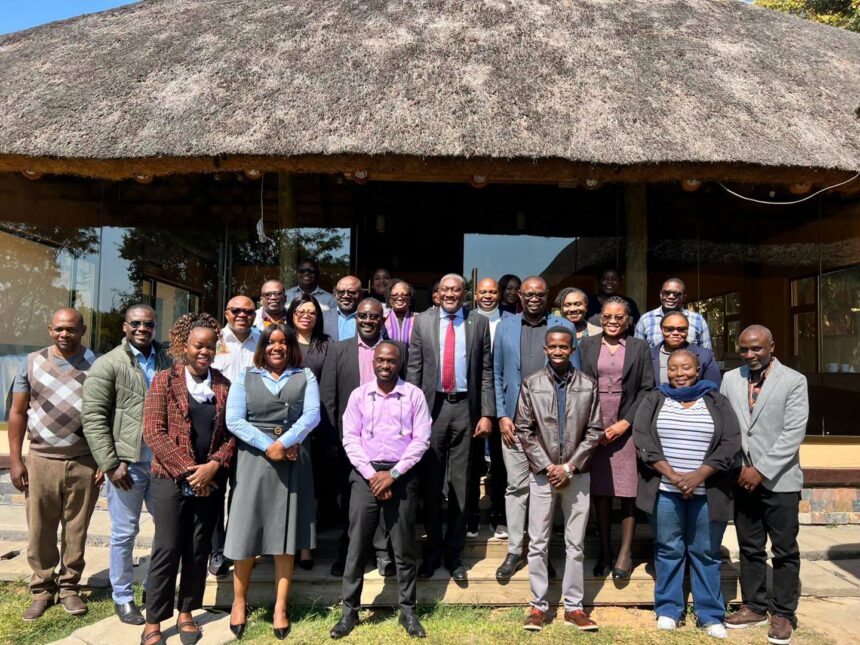
The workshop currently underway in Ndola represents a foundational stage in the development of the NCTC. It brings together key stakeholders responsible for planning, structuring and guiding the implementation of the project. Dr. Lishimpi emphasized that careful planning is essential to ensure the success and sustainability of the centre. He reiterated government’s commitment to expanding quality healthcare services that are both equitable and accessible. The project is expected to strengthen Zambia’s overall health response framework and improve long-term capacity in cancer care delivery.