





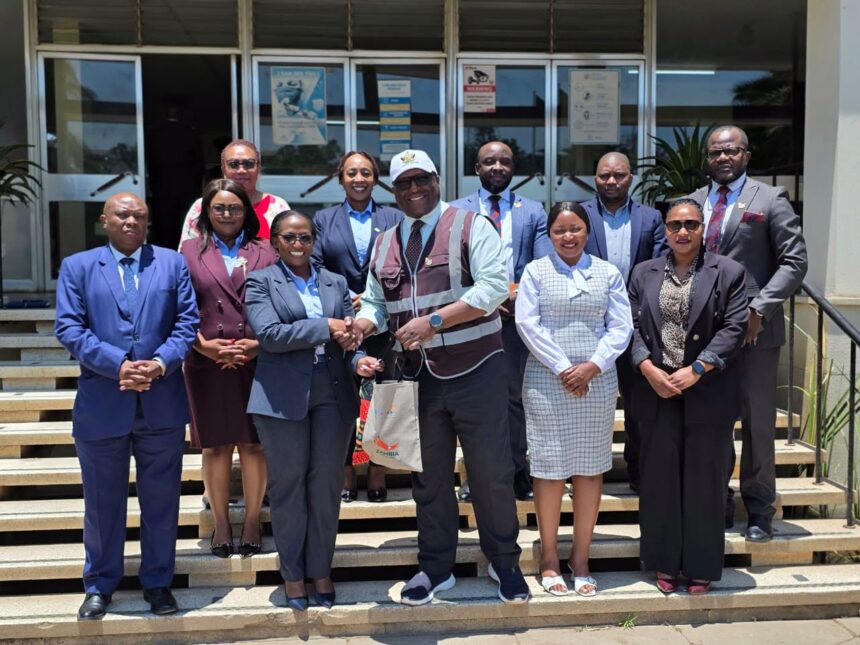
The Zambia Tourism Agency (ZTA) is strengthening efforts to position Lusaka as a preferred destination for business tourism, international conferences, meetings and leisure travel. The agency recently paid a courtesy call on Lusaka Mayor, His Worship Mr. Chitambala Mwewa, to discuss opportunities for collaboration in promoting the capital city as an attractive destination for visitors, businesses and investors. The engagement reflects a growing focus on partnerships between tourism authorities and local government to improve destination marketing, service delivery and the overall visitor experience. Discussions also covered tourism regulation, compliance and quality standards, which are essential to maintaining public confidence and encouraging visitors to explore Zambia. Through this collaboration, ZTA and Lusaka City Council aim to support tourism development while strengthening the capital’s position within Zambia’s wider tourism industry.
During the meeting, ZTA Acting Chief Executive Officer Ms. Abigail Shansonga highlighted opportunities for the agency and the local authority to work together in promoting Lusaka as a destination for business and leisure. As Zambia’s capital, Lusaka has an important role in connecting government institutions, businesses, investors and visitors from different parts of the country and abroad. Its potential extends beyond serving as an administrative and commercial centre, as the city can also provide a base for conferences, corporate events, cultural experiences and leisure activities. Effective cooperation between ZTA and the council can help communicate these opportunities to potential visitors and organisers of major events. A coordinated approach to tourism promotion could also help local businesses benefit from increased visitor numbers and greater spending within the city.
Business tourism represents an important opportunity for Lusaka because it attracts visitors whose travel is linked to meetings, conferences, exhibitions, corporate activities and professional engagements. These visitors may require accommodation, transport, restaurants, event venues and other services during their stay. Their spending can support hotels, tour operators, restaurants, transport providers and small businesses that serve both residents and visitors. Business travellers may also extend their stays to explore local attractions, experience Zambian culture or visit destinations outside the capital. By strengthening its appeal as a business tourism destination, Lusaka can create opportunities for tourism enterprises while supporting wider economic activity.
Meetings, incentives, conferences and exhibitions are important components of the business tourism market. Attracting these events requires cooperation among tourism authorities, local government, accommodation providers, event organisers and transport operators. Visitors attending conferences often expect reliable services, convenient transport, suitable venues and a welcoming environment. A city that meets these expectations can improve its reputation and become more attractive to organisations considering future events. Collaboration between ZTA and Lusaka City Council could therefore support efforts to present Lusaka as a practical and appealing location for professional gatherings and international business engagements.
Tourism regulation and compliance were also key subjects during the engagement. Strong regulatory oversight helps ensure that tourism businesses operate according to applicable requirements and maintain appropriate standards of service. Visitors need confidence that accommodation providers, tour operators and other tourism enterprises will deliver services that meet reasonable expectations for safety, reliability and quality. Effective compliance measures can also encourage fair competition by promoting consistent standards across the sector. By working together, tourism authorities and relevant local institutions can help strengthen the business environment while protecting the interests of visitors and responsible operators.
Service quality is particularly important in destination marketing because the experiences visitors have often influence their willingness to return or recommend a destination to others. Clean public spaces, clear information, reliable transport and professional customer service can contribute to a positive impression of a city. Poorly maintained facilities or inconsistent services can weaken tourism promotion efforts, even when a destination has attractive experiences to offer. For Lusaka, improving the visitor experience will require attention to both tourism facilities and the broader urban environment. Cooperation between the Zambia Tourism Agency, Lusaka City Council and private-sector stakeholders can help align promotional activities with practical improvements that visitors can experience.
The mayor reaffirmed the council’s commitment to working with ZTA and other stakeholders to promote Lusaka as a clean, safe and attractive destination for visitors and investors. This commitment highlights the role local authorities play in tourism development beyond traditional marketing activities. City cleanliness, waste management, public spaces, infrastructure maintenance and effective municipal services all influence how visitors experience a destination. A well-managed urban environment can also improve the quality of life for residents and create a more welcoming setting for businesses. Strengthening these areas can support Lusaka’s tourism ambitions while reinforcing its reputation as a place to live, work, visit and invest.
The engagement also focused on the relationship between tourism development and investment opportunities. A stronger tourism sector can encourage investment in accommodation, restaurants, event facilities, transport services and leisure activities. These businesses can create employment and generate opportunities for entrepreneurs who provide products and services to visitors. Increased demand can also benefit local suppliers, including food producers, artisans and service providers. For these benefits to materialise, tourism promotion must be supported by a business environment that encourages investment, maintains quality standards and responds to the needs of travellers.
Ms. Shansonga also briefed the mayor on the forthcoming 2026 Tourism Excellence Awards Media Launch, scheduled for 13 October 2026. The Tourism Excellence Awards recognise and celebrate outstanding tourism enterprises and individuals who contribute to the growth, innovation and promotion of Zambia’s tourism sector. The awards provide an opportunity to highlight achievement across the industry and draw attention to businesses and professionals helping to improve tourism services. Recognising excellence can encourage tourism operators to maintain high standards, invest in better services and develop new ways to attract visitors. The media launch also offers an opportunity to increase public awareness of the awards and the wider contribution of tourism to Zambia’s economy.
The Tourism Excellence Awards form part of the broader effort to recognise the people and businesses responsible for delivering tourism experiences. Hotels, tour operators, travel businesses, guides and other tourism professionals contribute to how visitors perceive Zambia as a destination. Celebrating quality and innovation can help raise the profile of successful enterprises while encouraging others to improve their operations. Industry recognition can also draw attention to the importance of professional standards, customer service and responsible business practices. As Zambia works to strengthen its tourism offering, initiatives that celebrate excellence can help reinforce the value of a competitive and well-managed sector.
Lusaka also has opportunities to connect business travel with Zambia’s wider tourism attractions. Visitors arriving for meetings or conferences may be interested in local food, cultural activities, heritage experiences and excursions beyond the city. Tourism businesses can respond by developing services that make it easier for visitors to explore these experiences before or after professional engagements. Such opportunities could encourage longer stays and distribute tourism spending across a wider range of local enterprises. A coordinated destination strategy can help Lusaka serve as both a business centre and a gateway to other tourism destinations in Zambia.
Effective destination marketing will be important in turning these opportunities into measurable results. Promoting Lusaka requires a clear understanding of the visitors the city wants to attract and the services needed to meet their expectations. Business travellers, conference organisers, leisure visitors and investors may each require different information when deciding whether to visit. Cooperation between ZTA and the local authority can help present a consistent image of the city while identifying areas where improvements are needed. Strong engagement with tourism businesses can further ensure that promotional campaigns reflect the actual services and experiences available to visitors.
The partnership also highlights the importance of cooperation between public institutions and the private sector. Government agencies and local authorities can provide policy direction, regulatory oversight and support for destination development, while private businesses deliver many of the services visitors use. Tourism associations, event organisers and local enterprises can contribute valuable knowledge about market demand, service gaps and emerging opportunities. When these groups work towards shared objectives, they can make better use of resources and develop a more consistent tourism offering. Such collaboration is important for strengthening Zambia’s competitiveness as a destination for both business and leisure travel.
The courtesy call between the Zambia Tourism Agency and Lusaka Mayor Chitambala Mwewa represents an important step in strengthening cooperation to promote Lusaka as a preferred business tourism and travel destination. The discussions brought together priorities that include destination marketing, tourism regulation, service quality, urban cleanliness and the promotion of investment. The forthcoming 2026 Tourism Excellence Awards Media Launch also provides an opportunity to recognise the enterprises and individuals contributing to the development of Zambia’s tourism industry. The long-term success of these efforts will depend on continued cooperation and practical improvements that benefit visitors, residents and businesses. By combining effective tourism promotion with quality services and a clean, safe urban environment, Lusaka can strengthen its appeal and contribute to the continued growth of Zambia’s tourism sector.