







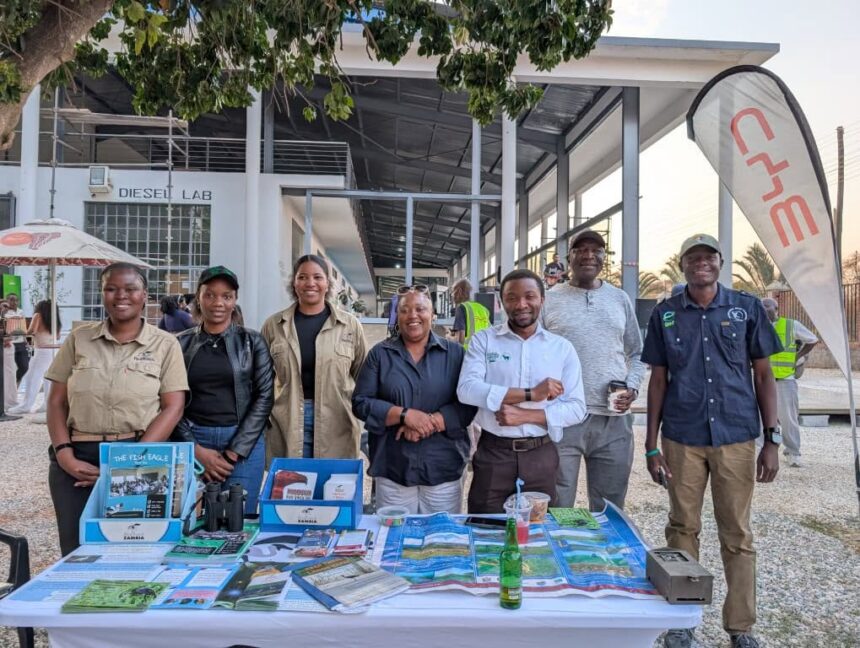
The Wildlife and Environmental Conservation Society of Zambia (WECSZ) and its long-standing partner, Elephant Charge (EC), are working on an ambitious plan to expand conservation education across Zambia’s government schools. The initiative aims to significantly increase the reach of the Chongololo and Chipembele Conservation Clubs, giving more children opportunities to learn about wildlife, environmental protection and sustainable use of natural resources. A Beneficiary Officer from Elephant Charge revealed that the Chongololo Clubs currently operate in about 15% of government primary schools across the country. This represents approximately 1,800 clubs spread across all provinces, creating an established foundation for further expansion. The organisations now want to build on that foundation and reach about 50% of government schools by 2035, with the broader goal of helping create what they describe as a pro-nature Zambia.
The long-term expansion plan was highlighted during the Elephant Charge 2026 Kick Off Event held in Lusaka on Saturday, 22 August 2026. The event brought together conservation partners, supporters, friends and enthusiasts who gathered to support the organisation’s fundraising and conservation efforts. During her keynote speech, the Beneficiary Officer explained that expanding the conservation clubs would form an important part of efforts to build stronger environmental awareness among young people. She encouraged those attending the fundraising party to contribute generously to the conservation agenda, stressing the importance of sustained support for programmes that reach communities through education. The event therefore served not only as the official kick-off for Elephant Charge 2026 activities but also as a platform to highlight the wider conservation impact made possible through partnerships and fundraising.
The Chongololo and Chipembele Conservation Clubs of Zambia Programme, commonly associated with the CCCCZ programme, plays an important role in introducing conservation concepts to schoolchildren. Through these clubs, learners can engage with topics linked to wildlife, forests, biodiversity, environmental stewardship and the importance of protecting Zambia’s natural resources. Reaching more government schools would allow conservation education to extend beyond the communities already benefiting from the programme. The proposed increase from 15% coverage to approximately 50% by 2035 represents a substantial expansion that will require long-term planning, funding, coordination and participation from schools and communities. If achieved, the programme could establish conservation clubs as a more prominent part of environmental education for children across Zambia.
WECSZ has relied on partnerships and resource mobilisation to sustain the conservation clubs over many years, with Elephant Charge playing a central role in that support. Elephant Charge is described as a long-time partner and a major funder of the Chongololo and Chipembele Conservation Clubs of Zambia Programme. Through its fundraising activities, the organisation has helped mobilise resources that support WECSZ’s conservation work and enable the programme to continue reaching schoolchildren. This relationship demonstrates how fundraising events can contribute to conservation programmes beyond immediate wildlife protection activities. Continued financial support will be particularly important as the organisations seek to expand the clubs to thousands more learners and schools over the coming years.
The focus on government schools is also significant because schools provide an established platform for reaching children from different communities and backgrounds. Introducing conservation education at an early age can help learners understand the value of Zambia’s wildlife and natural ecosystems and the responsibilities that come with protecting them. Conservation clubs can also provide opportunities for practical learning that complements classroom education, allowing children to connect environmental issues with their own communities and everyday lives. As the programme expands, stronger participation from teachers, parents, local communities and conservation organisations could help reinforce the lessons taught through the clubs. A wider network of conservation-minded learners could also contribute to greater public awareness of environmental challenges over the long term.
The target of reaching 50% of government schools by 2035 is ambitious and will require sustained investment rather than short-term campaigns. Expanding from approximately 1,800 clubs to a much broader national network will involve resources for educational materials, teacher and facilitator support, club activities, monitoring and coordination. It will also require the programme to maintain quality as its geographical reach increases. Partnerships such as the one between WECSZ and Elephant Charge could become increasingly important in meeting these needs, particularly through fundraising, technical support and public engagement. The success of the expansion will ultimately depend on the ability of the organisations and their partners to maintain consistent support while adapting the programme to the needs of different communities.
The Elephant Charge 2026 Kick Off Event therefore placed attention on a conservation strategy that looks beyond individual events and focuses on long-term environmental awareness. The fundraising appeal made at the event reflects the financial demands associated with expanding conservation education across a country as large and ecologically diverse as Zambia. Support from conservation partners, businesses, communities and individuals can help provide the resources needed to strengthen existing clubs and establish new ones. The continued involvement of organisations such as Elephant Charge can also help keep conservation education on the agenda while encouraging more people to participate in environmental initiatives. For WECSZ, the expansion of the Chongololo and Chipembele clubs represents an opportunity to strengthen the connection between education and conservation.
The proposed 2035 target also places young people at the centre of Zambia’s long-term conservation efforts. Children who learn about wildlife and environmental protection through structured school programmes can carry that knowledge into their families and communities. Over time, this can help create greater awareness of issues such as habitat protection, biodiversity conservation and responsible use of natural resources. The programme’s ambition to build a pro-nature Zambia reflects the idea that lasting conservation depends not only on protecting ecosystems today but also on preparing future generations to value and safeguard them. With continued collaboration between WECSZ, Elephant Charge, schools, communities and other conservation partners, the expansion of conservation clubs could become an important part of Zambia’s environmental education landscape.
The partnership between WECSZ and Elephant Charge highlights the role that sustained fundraising and conservation education can play in protecting Zambia’s natural heritage. With Chongololo Clubs already operating in about 15% of government primary schools, the existing network provides a strong base from which to pursue the 50% target by 2035. Achieving that goal will require consistent funding, strong partnerships and effective implementation across all provinces. The call for donations at the Elephant Charge 2026 Kick Off Event underscores the need for continued public and partner support as the programme enters its next phase. If the expansion succeeds, more Zambian children will have the opportunity to develop practical knowledge and a lasting commitment to wildlife and environmental conservation.