







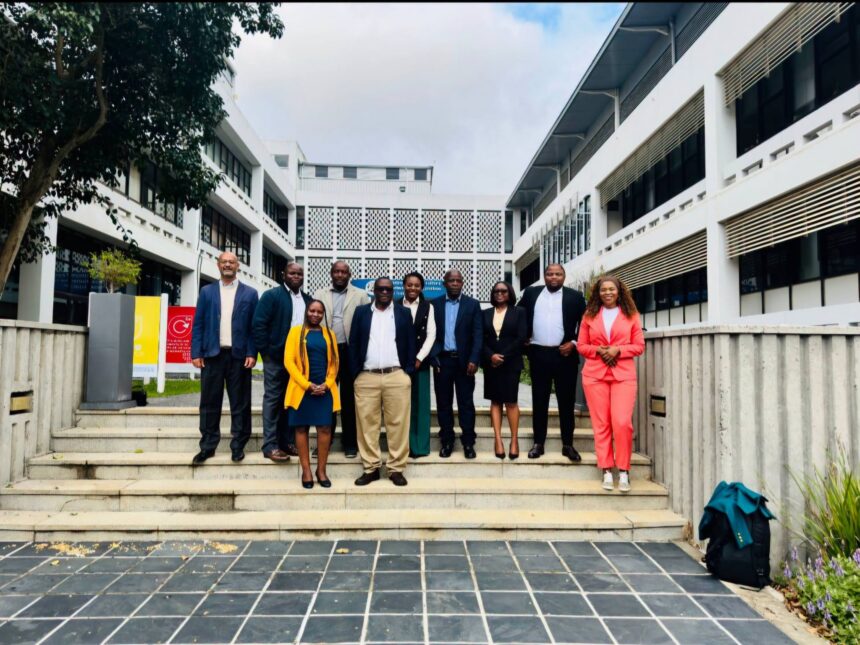
Zambia and South Africa are strengthening technical cooperation in digital agriculture and artificial intelligence through a South-South Cooperation Exchange Visit taking place from 14 to 17 September 2026. The initiative brings together agricultural officials and technical partners from both countries to share knowledge and practical experience in the use of digital technologies. The exchange focuses on how innovation can improve the way agricultural services are delivered and how farmers access important information and support. It also provides an opportunity for participants to examine how artificial intelligence can contribute to a more efficient and responsive agricultural sector. The collaboration reflects the growing role of technology in addressing modern agricultural needs and supporting farmers with better digital tools.
The National Department of Agriculture, working in partnership with the Western Cape Department of Agriculture, is hosting a delegation from Zambia as part of the exchange. The Zambian delegation includes representatives from the Ministry of Agriculture, FAO Zambia and Smart Zambia, while FAO South Africa is also participating in the programme. Bringing these institutions together creates an opportunity for technical teams to discuss approaches that have been developed and implemented in their respective countries. The participation of government departments and development partners also allows the exchange to cover both policy considerations and practical implementation. This type of cooperation can help participating institutions identify useful approaches that can be adapted to their own agricultural environments.
A major focus of the visit is the sharing of technical knowledge on the design and implementation of digital agriculture systems. Digital agriculture can support farmers and agricultural authorities by making information and services easier to access and manage. The exchange gives participants an opportunity to examine practical experiences and understand how different systems operate in real agricultural settings. Discussions around implementation can also help identify challenges that governments and agricultural institutions may face when introducing new technologies. By sharing lessons from their respective experiences, South Africa and Zambia can explore practical solutions that support the wider adoption of digital agriculture.
Artificial intelligence is another important component of the South-South Cooperation Exchange Visit. AI technologies are increasingly being explored for their potential to process information, support decision-making and improve the delivery of services across different sectors. In agriculture, these technologies can contribute to the way information is collected, analysed and made available to farmers and agricultural service providers. The exchange allows technical experts to consider both the applications of AI and the governance frameworks needed to use these technologies responsibly. This focus is important as agricultural institutions seek to introduce innovation while ensuring that digital systems remain useful, accessible and aligned with the needs of farmers.
The cooperation also places strong emphasis on improving agricultural service delivery. Farmers depend on timely information and accessible services to make decisions about their agricultural activities. Digital platforms and other technology-based systems can create new ways for agricultural institutions to communicate with farmers and provide relevant information. The exchange allows South Africa and Zambia to share experiences on how these systems can be designed to respond more effectively to the needs of agricultural communities. Improving access to information can also strengthen the connection between government services, agricultural organisations and farmers.
Supporting farmers through digital innovation is particularly important as agriculture continues to evolve alongside technological development. Digital tools can help create more direct channels for farmers to access agricultural information and services. However, the effectiveness of these technologies depends on how well they respond to practical needs and how easily farmers can use them. The South-South exchange provides an opportunity to discuss these considerations while examining experiences from both countries. By focusing on practical applications, the participating institutions can identify approaches that have the potential to strengthen support for farmers.
The exchange also highlights the importance of governance in the development and use of digital agriculture systems and artificial intelligence. Introducing new technologies requires more than simply developing digital platforms or adopting AI tools. Institutions also need appropriate systems for managing technology, ensuring that services meet their intended objectives and addressing challenges that may arise during implementation. Sharing experiences around governance allows participants to learn how different institutions approach these issues. This can support the development of digital agriculture initiatives that are better structured and more responsive to the needs of the agricultural sector.
South-South Cooperation provides a framework for countries in the Global South to share knowledge, experiences and solutions based on their own development contexts. The exchange between Zambia and South Africa creates space for agricultural professionals to learn from approaches being used within the region. This can be valuable because solutions developed in similar environments may provide practical lessons that can be adapted to local circumstances. The involvement of the FAO and other technical institutions further strengthens the opportunity for knowledge sharing. The programme demonstrates how cooperation between neighbouring countries can contribute to innovation without relying solely on models developed in other regions.
The participation of Smart Zambia alongside the Zambian Ministry of Agriculture and FAO Zambia brings additional technical perspectives to the exchange. The involvement of the Western Cape Department of Agriculture also provides an opportunity for participants to examine South African experiences in digital agriculture. These different perspectives can contribute to discussions around technology, agricultural services and the practical needs of farmers. The exchange can also encourage stronger institutional connections that extend beyond the four-day programme. Continued engagement between participating organisations could support further collaboration as both countries develop their digital agriculture capabilities.
The 14 to 17 September 2026 exchange therefore represents an important opportunity for Zambia and South Africa to deepen cooperation around agricultural technology. Its focus on digital agriculture and artificial intelligence reflects the changing needs of agricultural systems and the increasing importance of digital innovation. By sharing technical knowledge, implementation experiences and practical solutions, the participating institutions are creating opportunities to improve agricultural service delivery and strengthen support for farmers. The cooperation also highlights the importance of responsible technology governance and accessible agricultural information. As Zambia and South Africa continue working together, the knowledge shared through this South-South Cooperation Exchange can contribute to a more connected, responsive and digitally enabled agricultural sector.