






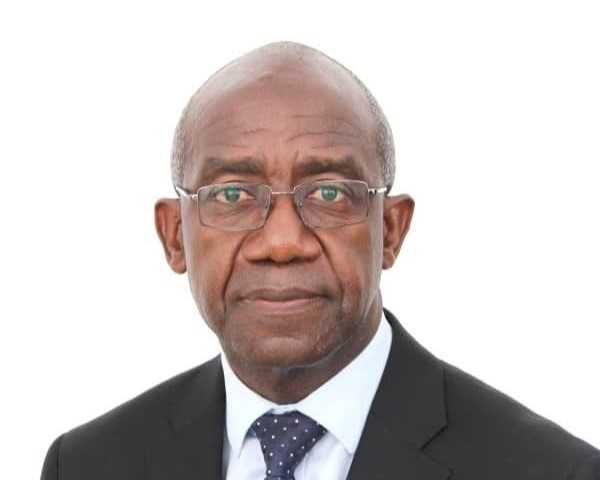
Secretary to the Cabinet Patrick Kangwa has called on Zambians to remain calm, protect national unity and safeguard peace and stability following the conclusion of the 2026 elections. Speaking during a press briefing, Kangwa addressed a range of issues affecting the country, including the death of former Minister of Works and Transport Mutotwe Kafwaya and growing concerns over inflammatory content circulating on social media. His remarks came at a time when political discussions online have become increasingly heated, with allegations, insults, threats and unverified claims attracting widespread attention. The Secretary to the Cabinet urged citizens to exercise restraint and allow lawful processes to take their course. He also stressed that freedom of expression must be accompanied by responsibility, particularly when online content has the potential to threaten public peace or encourage violence.
Kangwa began by expressing condolences to the family of former Minister of Works and Transport Mutotwe Kafwaya following his death. He said the Government deeply regretted the passing of the former minister and conveyed its sympathy to his family during the difficult period. However, he emphasised that the circumstances surrounding the unfortunate incident are subject to an investigation by law enforcement agencies. He therefore urged members of the public to allow investigators to conduct their work without unnecessary speculation or interference. The Government also indicated that no further comments would be made on the matter while the investigative process remains underway.
The call for restraint follows growing public discussion surrounding Kafwaya’s death and the circumstances connected to the incident. Such situations can generate significant public interest, particularly when the individual involved previously held a senior Government position. Kangwa made it clear that speculation should not be allowed to replace evidence or the findings of the relevant authorities. He urged Zambians to remain calm while investigators work to establish the facts. The Government’s position is that the investigative process should be allowed to proceed without premature conclusions being drawn.
Kangwa also used the briefing to raise concerns about the increasing amount of hostile and inflammatory content appearing on social media platforms following the 2026 elections. He noted that some online material promotes hatred, cruelty, insults and calls for violence against individuals or groups. Of particular concern was the reported use of children to insult political leaders and elders, with the resulting material then published online. The Secretary to the Cabinet described this conduct as troubling and urged citizens to consider the wider consequences of what they share or promote online. His remarks highlighted the growing importance of responsible digital communication in maintaining social cohesion.
The Secretary to the Cabinet further expressed concern over social media posts attributed to prominent political figures, including former Members of Parliament, in which calls were allegedly made for the killing of fellow citizens and political leaders. He warned that such statements can have serious consequences in a country that is seeking to maintain peace and stability after an election period. Political disagreements are expected in a democratic society, but Kangwa stressed that political differences should not become a justification for threats or violence. He called on political leaders and their supporters to exercise greater responsibility when communicating with the public. The remarks also placed emphasis on the influence that prominent public figures can have when their statements reach large audiences through social media.
Another major issue addressed during the briefing was the growing political hostility between supporters of the two sides of the political divide. Kangwa condemned the heightened political vitriol and trolling that have emerged online, warning that such conduct threatens Zambia’s peace, unity and stability. Political competition can generate strong emotions, but the Secretary to the Cabinet urged citizens to avoid behaviour that could deepen divisions within communities. He called for restraint from both sides and encouraged citizens to protect the country’s broader interests. The message was particularly relevant following the conclusion of the 2026 elections, when political tensions can remain high even after voting has ended.
Kangwa also urged members of the public not to give credibility to unverified narratives designed to create fear, panic and division. Social media allows information to spread quickly, making it difficult for users to distinguish verified reports from rumours and deliberately misleading claims. Unverified information can influence public opinion before authorities have an opportunity to establish the facts. The Secretary to the Cabinet therefore encouraged citizens to approach sensitive information with caution and avoid sharing material simply because it generates strong emotional reactions. Responsible consumption and sharing of information can help reduce unnecessary tension during periods of political uncertainty.
The Government also issued a strong warning against inflammatory social media content, threats of violence and calls for the killing or assassination of political leaders. Kangwa stated that threats to harm or assassinate the President are criminal and will be dealt with in accordance with Zambian law. This warning reinforces the Government’s position that political expression must remain within the boundaries established by the law. Citizens have the right to express political opinions, criticise leaders and participate in public debate, but threats of violence carry serious legal and social consequences. The emphasis on the law also signals that authorities will continue to treat credible threats against individuals and national leaders as matters requiring appropriate action.
The Secretary to the Cabinet’s remarks also placed responsibility on ordinary social media users to consider the consequences of their online behaviour. He called on citizens to exercise restraint and reminded the public that freedom of expression comes with responsibility. Online platforms provide powerful tools for communication, political participation and public discussion, but they can also amplify harmful content at a rapid pace. Users therefore have a role to play in preventing the spread of threats, hate-filled messages, false claims and material that could encourage violence. Responsible online conduct can contribute to a healthier public conversation and reduce the risk of social tensions escalating beyond digital spaces.
The broader message from Kangwa’s press briefing was a call for national calm and responsible citizenship at a sensitive time for Zambia. The conclusion of the 2026 elections provides an opportunity for citizens and political leaders to focus on the country’s future rather than allowing political differences to fuel hostility. The Government’s response to the death of Mutotwe Kafwaya also reflects its position that law enforcement agencies should be given space to complete their investigation. At the same time, the concerns raised about social media demonstrate the need for citizens to think carefully before publishing or sharing potentially harmful content. Maintaining peace and stability requires participation from Government institutions, political leaders, civil society and ordinary citizens.
Kangwa’s statement ultimately presented two closely connected messages, the need to respect lawful investigative processes and the need to protect Zambia’s peace, unity and stability. The Government has urged the public not to speculate about Kafwaya’s death while law enforcement agencies investigate the circumstances surrounding the incident. It has also warned that threats of violence and assassination, particularly against the President or other political leaders, are serious matters that can attract legal consequences. At the same time, citizens have been encouraged to use social media responsibly and reject narratives designed to create fear, panic and division. As Zambia moves beyond the 2026 elections, the call for restraint, responsible expression and respect for the law remains central to protecting the country’s stability and strengthening peaceful coexistence among its citizens.