






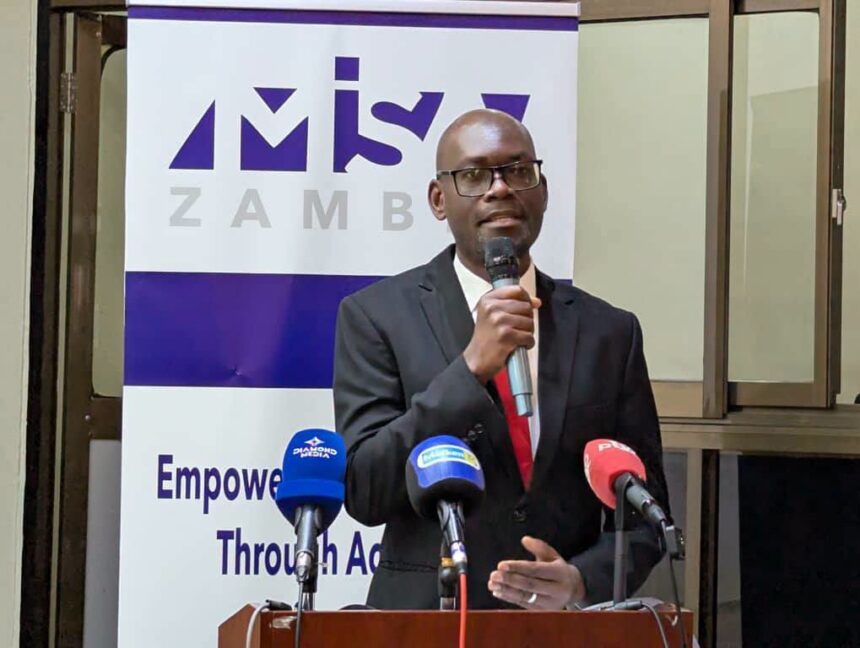
The Zambian Government has reaffirmed its commitment to protecting digital rights while accelerating the country’s digital transformation agenda, recognizing that technological progress must be supported by strong safeguards for citizens’ rights and freedoms. Today, Information and Media Permanent Secretary Mr. Thabo Kawana, represented by Director for Press and Media Mr. Morden Mayembe, officiated at the launch of the MISA Zambia 2025 Digital Rights Report and the Public Broadcasting Scorecard in Lusaka. The event brought together representatives from Government, the media, civil society and other stakeholders to discuss the evolving digital landscape and the importance of protecting citizens in an increasingly connected world. As Zambia continues embracing digital technologies across various sectors, the Government has maintained that innovation should always be accompanied by respect for human rights, privacy, freedom of expression and access to information. This commitment reflects the country’s broader vision of creating an inclusive digital society where technology improves lives while protecting the rights of every citizen.
Speaking on behalf of Mr. Kawana, Mr. Mayembe underscored the Government’s determination to build a digitally empowered Zambia where citizens can confidently participate in the digital economy. He emphasized that digital transformation extends beyond expanding internet access and introducing new technologies. It also requires creating a secure environment where individuals can communicate freely, protect their personal information and access reliable information without fear of abuse or discrimination. Government believes that strong digital rights are essential for encouraging public trust in digital platforms and increasing participation in online services. As technology becomes more deeply integrated into everyday life, safeguarding these rights remains a national priority.
The Government highlighted that the Digital Rights Report 2026 and the ZNBC Report provide valuable insights into Zambia’s progress in media development and digital governance. According to Mr. Mayembe, the reports offer an important assessment of both the opportunities and the challenges emerging as the country advances its digital transformation journey. They also provide evidence that can inform future policy decisions while strengthening dialogue among Government institutions, media organizations, civil society and the private sector. The findings are expected to contribute to more effective strategies for protecting digital rights while promoting responsible technological innovation. Government expressed confidence that the reports will serve as useful reference documents for strengthening Zambia’s digital future.
Officials also noted that digital technologies have become central to economic growth, democratic participation and social development across Zambia. Modern technology now supports education, healthcare, entrepreneurship, innovation and access to public services, creating new opportunities for individuals and businesses alike. Government is working to ensure that all citizens have meaningful access to these opportunities while benefiting from a safe and secure online environment. Digital inclusion has therefore become an important component of national development, particularly as more services transition to online platforms. Expanding access to technology is expected to improve productivity, strengthen economic growth and reduce inequalities across different communities.
Government further emphasized its ongoing efforts to strengthen policy, legal and institutional frameworks that protect citizens in the digital space. These initiatives include expanding affordable and meaningful internet connectivity, improving secure digital services, protecting personal data and promoting digital inclusion across the country. Strong governance frameworks are considered essential for encouraging innovation while ensuring that technological advancement does not compromise individual rights. Government also continues working with relevant institutions to enhance cybersecurity and improve the resilience of digital infrastructure. These measures are intended to create a digital environment that is both secure and accessible for all users.
As more aspects of daily life move online, the Government acknowledged that protecting citizens from digital threats has become increasingly important. Mr. Mayembe observed that unlawful surveillance, cyber threats, identity theft, misinformation, online harassment and violations of privacy present serious challenges that require coordinated action. Government stressed that the rights people enjoy offline should receive the same level of protection when they interact online. Ensuring that digital platforms remain safe while preserving fundamental freedoms is a key objective of Zambia’s digital governance strategy. Balancing security with individual rights remains essential as the country’s digital economy continues to expand.
The Government also recognized that digital platforms have created unprecedented opportunities for innovation, communication and public participation, while introducing new risks that cannot be ignored. Challenges such as misinformation, disinformation, cyberbullying, online fraud, hate speech, digital scams and the misuse of emerging technologies continue to affect societies around the world. Addressing these issues requires collaboration between Government, technology companies, educational institutions, media organizations and individual citizens. Officials emphasized that responses to online threats should not undermine freedom of expression or other fundamental rights protected under the law. Instead, balanced and responsible approaches are needed to strengthen both digital security and democratic values.
Mr. Mayembe called on all stakeholders to promote digital literacy as one of the most effective ways to create a safer online environment. He encouraged citizens to verify information before sharing it, engage respectfully on digital platforms and help prevent the spread of false or misleading content. Particular attention was given to protecting children and young people from harmful online material while promoting responsible internet use among all age groups. Digital literacy empowers citizens to identify online risks, make informed decisions and participate responsibly in the digital economy. Government believes that increasing public awareness will strengthen resilience against emerging digital threats.
The Government also commended journalists, broadcasters, content creators and media institutions for their continued role in informing the public, strengthening accountability and promoting national dialogue. Media professionals remain critical partners in ensuring that citizens receive accurate information while supporting democratic participation and national development. Government reiterated its commitment to fostering an enabling environment where media organizations can operate professionally, responsibly and sustainably. Officials expressed confidence that the Digital Rights Report 2026 and the ZNBC Report will contribute to informed decision making and meaningful national discussions on media freedom and digital governance. As Zambia continues advancing its digital transformation agenda, the Government remains committed to protecting digital rights, strengthening media development and ensuring that technological progress benefits every citizen while upholding the principles of privacy, freedom of expression and access to information.