





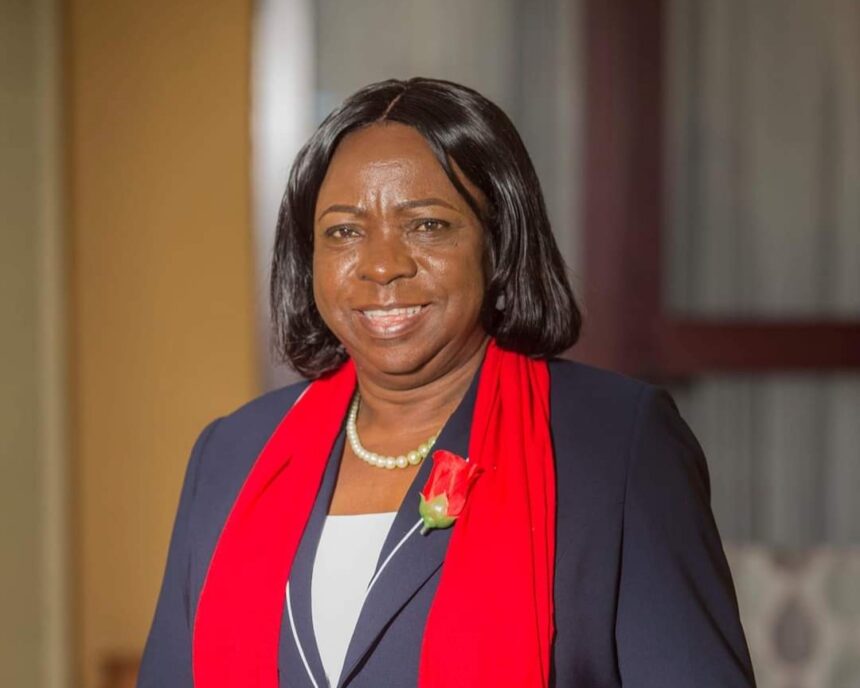
Zambia has reaffirmed its national commitment to expanding electricity access across the country as Vice President Mutale Nalumango announced that the government is targeting universal access to electricity by 2030. She described energy as a key pillar of development, essential for improving livelihoods, boosting economic activity and strengthening public services. The remarks were delivered during the commissioning of the WatopaLukulu Interconnector Power Project in Kabompo District. The project is part of a wider national effort to extend power infrastructure to rural and previously underserved communities. Government officials present emphasised that electrification remains central to Zambia’s long term development strategy.
Speaking at the event through a speech read by Defence Minister Ambrose Lufuma, Nalumango stated that the New Dawn administration is determined to ensure that no community is left behind in development. She highlighted that areas such as Watopa, which were previously considered too remote for electrification, are now being connected due to deliberate government policy. The Vice President emphasised that electricity should not only be seen as a basic utility but also as a tool for economic transformation. She encouraged residents to use power productively to support small businesses such as welding, tailoring, milling and salon services. This approach, she said, would help communities generate income and improve household living standards.
The government has also directed the Rural Electrification Authority to prioritise the connection of essential public institutions in the area. These include schools, rural health centres, chiefs’ palaces and surrounding households to ensure inclusive access to electricity benefits. The initiative is expected to improve learning conditions in schools and enhance healthcare delivery in rural facilities. Better access to electricity will also support vaccine storage, medical equipment operation and general service delivery in clinics. The administration has stressed that electrification is closely linked to improvements in education and health outcomes. This integrated approach is aimed at strengthening rural development across multiple sectors.
A major component supporting this expansion is the World Bank supported ASCENT Zambia Programme, which has significantly reduced electricity connection fees. Under the programme, connection costs have dropped from K4,864 to K300, making electricity more affordable for rural households. Government officials reported that this cost reduction has contributed to increased uptake of electricity connections in several regions. They further indicated that the national target for the year is more than 115,000 new electricity connections. This ambitious rollout is intended to accelerate progress toward universal electricity access by 2030. Authorities believe affordability remains a key factor in achieving widespread rural electrification.
According to the Rural Electrification Authority chief executive officer Alex Mbumba, the WatopaLukulu project alone has already connected more than 200 households and businesses. The project, valued at K5.3 million, includes the construction of a 33KV power line crossing the Kabompo River and an 11 kilometre distribution network. These infrastructure works are designed to ensure reliable and sustainable electricity supply to the area. Health Minister Alex Katakwe noted that electrification will significantly improve service delivery at Kamisamba Rural Health Centre. He added that access to power will enhance medical operations and strengthen healthcare systems in rural communities.
Kabompo District Commissioner Hubert Chinyanga described the project as a strong demonstration of government commitment to rural development. He also noted that construction works on the long delayed Kayombo grid project have now commenced, signalling further expansion of electricity infrastructure in the district. Local residents, including Watopa community member Julias Shiwoma, welcomed the development, saying it would encourage entrepreneurship and reduce rural to urban migration. Many residents expressed optimism that reliable electricity would enable them to build permanent homes and establish small businesses locally. The project is expected to stimulate economic activity and improve living standards in the area.
The commissioning of the WatopaLukulu Interconnector Power Project marks a significant step in Zambia’s broader goal of achieving universal electricity access by 2030. Vice President Mutale Nalumango’s message reinforced the government’s focus on inclusive development and rural transformation through energy expansion. The project demonstrates how infrastructure investment, policy support and international partnerships are working together to improve access to essential services. With continued rollout of electrification programmes and reduced connection costs, more communities are expected to benefit in the coming years. The initiative reflects Zambia’s commitment to ensuring that energy access becomes a foundation for economic growth, social development and improved quality of life nationwide.