







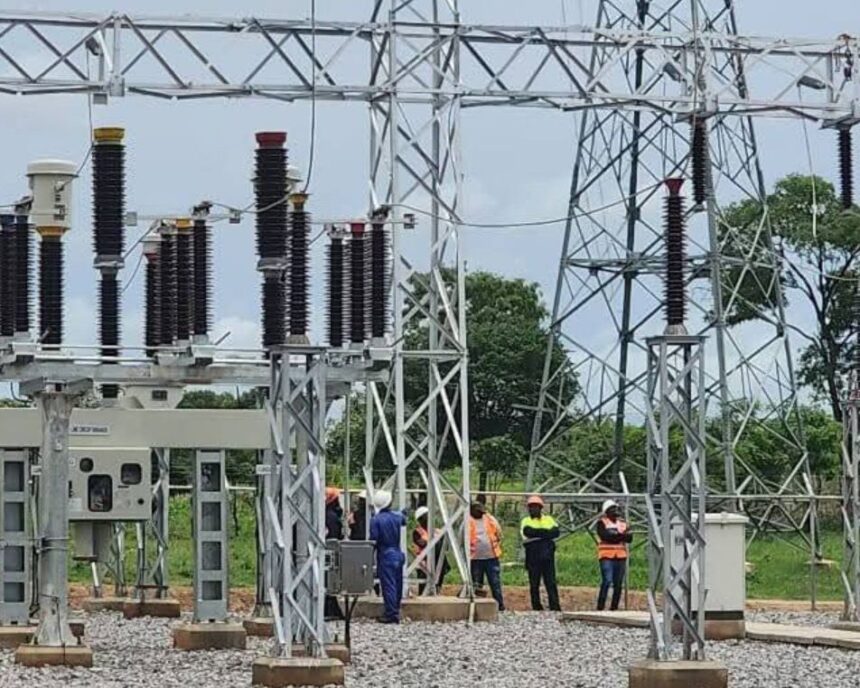
Zambia is pushing ahead with major energy sector reforms and large-scale infrastructure investments aimed at reshaping the country into a resilient, diversified and investment-ready energy economy. The Government has set an ambitious target of producing 10,000 megawatts of electricity by 2030, a goal that reflects growing national demand and the need for long-term energy security. Speaking during the official opening of the 4th Senior Public Service Management Meeting in Lusaka, Secretary to the Cabinet Mr. Patrick Kangwa said Zambia has moved from severe energy constraints to what he described as tangible and transformative progress. He emphasized that energy remains central to national development and economic growth. The meeting theme, “Energy – The Lifeblood of Development,” reinforced the strategic importance of the sector.
Mr. Kangwa said the New Dawn Administration has spent the past four years implementing reforms designed to attract investment and strengthen sector performance. These include streamlined licensing systems and improved transparency measures that make it easier for both local and foreign investors to participate in energy projects. A key milestone highlighted was the implementation of the Electricity Open Access Regulations in July 2024. This reform allows eligible market participants to access Zambia’s transmission and distribution networks, supporting competition and diversification in electricity supply. The reforms are designed to reduce barriers, improve efficiency and encourage private sector participation in power generation.
Zambia currently has about 3,000 megawatts of installed electricity capacity, which the Government says is not enough to meet rising demand from households, industry and mining. The demand gap has driven the urgency behind the 10,000 megawatts target set by President Hakainde Hichilema. Mr. Kangwa noted that recent infrastructure developments have already started expanding national capacity in measurable ways. The Government views these projects as critical to stabilizing supply and preventing future energy shortages. The energy expansion strategy is also linked to broader economic goals such as industrial growth and job creation.
One of the most significant recent milestones is the full commissioning of the 750MW Kafue Gorge Lower Hydropower Station in March 2023. This project alone increased national generation capacity by nearly 38 percent, marking a major boost to the electricity grid. The Government has also highlighted ongoing construction of the 300MW Maamba Coal Power Plant, which began in June 2024 and is expected to be completed by mid-2026. These developments show a mix of energy sources being used to strengthen supply stability. They also reflect efforts to balance immediate demand with long-term sustainability.
Renewable energy has become a central pillar of Zambia’s energy diversification strategy. The Government reported the successful commissioning of several solar projects aimed at reducing dependence on hydropower, which is vulnerable to climate variability. These include the US$100 million Chisamba Solar Plant, which added 100MW to the grid in June 2025. Other projects include the 60MW Itimpi Solar Power Station in Kitwe, the 25MW Kanona Solar PV Project and a 50MW solar plant in Mansa District. Together, these projects expand clean energy access while improving national energy resilience during drought periods.
Regional energy integration is also a key focus area for Zambia. Mr. Kangwa highlighted ongoing interconnector projects such as the Zambia-Tanzania-Kenya Interconnector, the Botswana-Zambia Interconnector and the Kalumbila-Kolwezi Interconnector linking Zambia with the Democratic Republic of Congo. These projects are expected to strengthen regional electricity trade and improve supply reliability across borders. They also position Zambia as a potential energy trading hub within Southern and Eastern Africa. Improved interconnectivity is expected to support industrial development and reduce power shortages across the region.
In the petroleum sector, the Government is implementing reforms aimed at improving efficiency and fuel supply security. These include the repurposing of the TAZAMA Pipeline to transport finished petroleum products instead of commingled crude oil. An open access framework is also being introduced to increase competition and improve fuel distribution across the country. Cabinet has further approved two major pipeline projects under Public-Private Partnership arrangements, including the Tanzania-Zambia Multi-Products Pipeline and the Namibia-Zambia Refined Petroleum and Natural Gas Pipeline. The proposed 1,400-kilometre Lobito-Lusaka Oil Pipeline is also being pursued to strengthen regional fuel logistics. National fuel demand is expected to reach 3.7 million tonnes annually by 2030, increasing pressure on infrastructure expansion.
Beyond infrastructure development, Mr. Kangwa stressed the importance of fiscal discipline and efficiency within the public sector. He urged controlling officers to reduce unnecessary costs, including limiting non-essential travel and increasing the use of electric vehicles in government operations. He said energy reforms must be aligned with cost-saving measures and improved service delivery. This approach is intended to ensure that the energy transformation agenda remains financially sustainable while delivering practical benefits to citizens. The focus is on balancing growth with responsible resource management.
Zambia’s energy transformation strategy reflects a broader national vision of economic modernization and industrial expansion. By investing in generation capacity, renewable energy, regional interconnectivity and petroleum infrastructure, the country is positioning itself for long-term energy security. These reforms are also designed to attract investment and support private sector participation in key sectors of the economy. As demand continues to rise, the Government’s focus remains on expanding supply while improving efficiency and reliability. The energy sector is being reshaped as a foundation for national development and regional competitiveness.
Zambia’s push toward a 10,000 megawatt energy target by 2030 represents one of the most ambitious infrastructure and reform agendas in the country’s recent history. Through hydropower expansion, solar investments, regional interconnections and petroleum infrastructure development, the Government is building a more diversified and resilient energy system. The reforms highlighted by Secretary to the Cabinet Mr. Patrick Kangwa show a coordinated effort to attract investment and improve efficiency across the sector. While challenges remain, the direction of progress points toward stronger energy security and economic growth. Zambia’s energy transformation is increasingly positioned as a key driver of industrial development, regional integration and long-term national prosperity.