






The World Health Organization has handed over a significant package of vehicles, motorbikes, laptops, tablets and other essential equipment to Zambia’s Ministry of Health and the Zambia National Public Health Institute. This move is aimed at strengthening immunisation efforts and enhancing national health security systems across the country. The support comes at a critical time as Zambia works to recover from disruptions caused by the COVID-19 pandemic and rebuild momentum in routine healthcare delivery. By targeting both service delivery and emergency preparedness, the donation addresses key gaps that have affected access to healthcare, especially in remote areas. The handover signals renewed collaboration between Zambia and global health partners focused on improving long-term health outcomes.
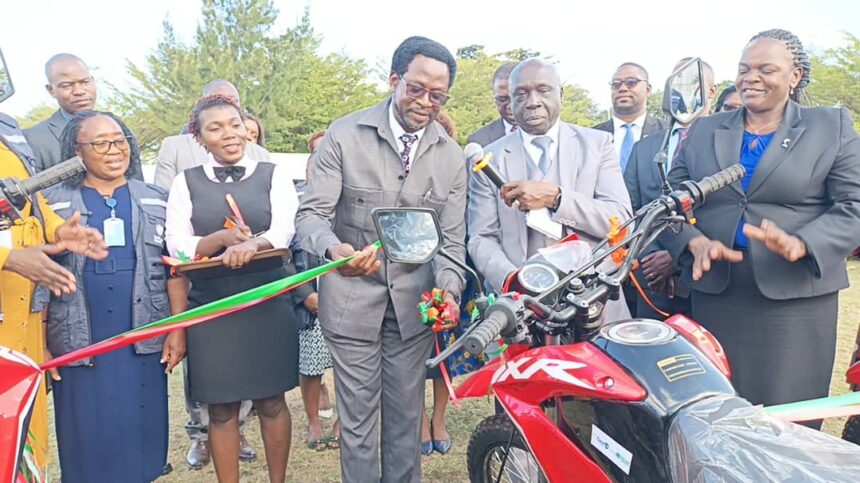
The donation includes a wide range of equipment designed to improve both operational efficiency and service reach. For child health programmes under the Ministry of Health, WHO provided 170 motorcycles and 79 laptops to support immunisation activities and data management. In addition, the Public Health Institute received 40 motorcycles, one truck, 10 Land Cruiser vehicles, 150 laptops and 100 tablets to strengthen emergency preparedness and response systems. These resources will improve mobility for healthcare workers, allowing them to reach underserved communities more consistently. They will also enhance digital capacity, enabling better tracking of immunisation coverage and disease surveillance data. This integrated approach ensures that both frontline services and national health systems benefit from the intervention.
Speaking at the official handover ceremony held at Ndeke House in Lusaka, Minister of Health Dr. Alex Katakwe emphasized the practical impact of the donation. He stated that transport challenges have long limited access to healthcare services in hard-to-reach communities, particularly affecting routine immunisation and disease monitoring. With the new fleet of motorcycles and vehicles, health workers will be able to travel more efficiently and maintain consistent outreach schedules. This improvement is expected to directly increase vaccination coverage and strengthen early detection of disease outbreaks. The Minister highlighted that strengthening primary healthcare systems remains a top priority for government as it works to improve health equity across the country.
Dr. Katakwe also addressed the ongoing challenges facing Zambia’s immunisation programme in the aftermath of the COVID-19 pandemic. He noted that nearly 500,000 children missed their first measles vaccine dose between 2020 and 2024, creating a significant gap in population immunity. This gap increases the risk of outbreaks and puts pressure on the healthcare system to respond quickly and effectively. The newly donated equipment will play a key role in closing this gap by supporting outreach campaigns and improving vaccine delivery systems. Enhanced data tools will also help health officials identify zero-dose children and target interventions more accurately. These efforts are essential to restoring confidence in routine immunisation and protecting vulnerable populations.
WHO Country Representative Dr. Clement Peter Lasuba described the handover as more than just a transfer of equipment, calling it a reaffirmation of WHO’s commitment to supporting Zambia’s health sector. He explained that the resources are designed to expand outreach services, improve supply chain logistics and strengthen disease surveillance systems. With better transport and digital tools, healthcare providers can respond faster and more effectively to emerging health threats. Improved data management will also allow for more accurate decision-making at both local and national levels. These enhancements are critical for building a resilient health system capable of handling both routine care and emergency situations.
The Zambian government has reiterated its commitment to reducing the number of zero-dose children and ensuring that every child has access to life-saving vaccines and essential health services. The partnership with WHO supports this goal by providing the tools needed to reach underserved populations and maintain consistent healthcare delivery. Stronger health systems not only improve immediate outcomes but also build long-term resilience against future health crises. The focus on both immunisation and health security reflects a balanced approach to public health that prioritises prevention and preparedness. Continued collaboration between government and international partners will be key to sustaining progress in these areas.
This equipment handover marks a significant step forward in Zambia’s efforts to strengthen its healthcare system and protect public health. By addressing transport, logistics and data challenges, the initiative directly supports improved service delivery and faster response to health risks. The focus on immunisation ensures that vulnerable children are protected, while investments in health security prepare the country for future challenges. With strong leadership and continued partnerships, Zambia is well positioned to build a more effective and inclusive health system. The WHO’s support reinforces the shared goal of ensuring that no community is left behind in accessing essential healthcare services.