





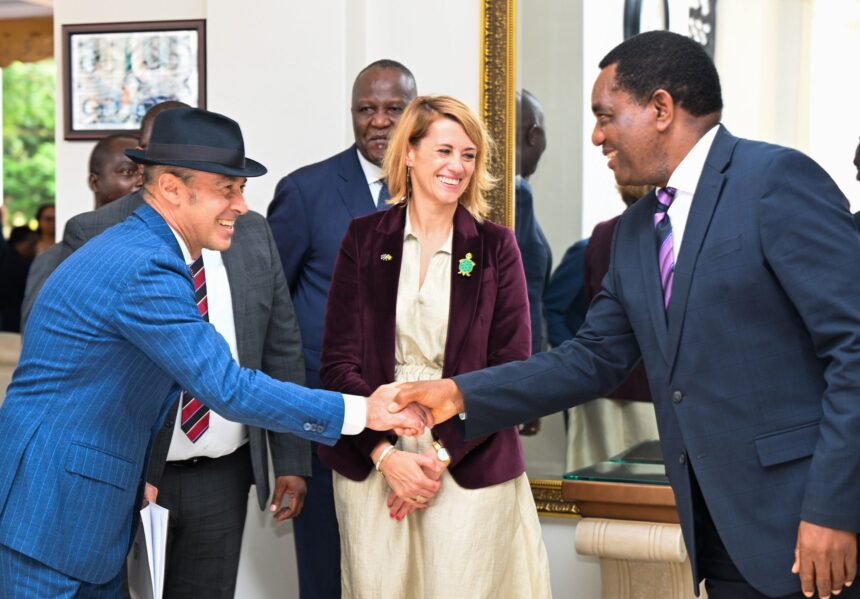
Zambia continues to position itself as a key partner on the global stage, and the recent Annual Zambia–EU Partnership Dialogue highlights this direction with clarity. The engagement brought together Zambian leadership and diplomats from the European Union accredited to the country, creating a platform for open and meaningful exchange. President Hakainde Hichilema confirmed that the discussions were candid and constructive, which signals a level of trust that is essential in international relations. These dialogues matter because they shape trade, development support, and political cooperation between Zambia and one of the world’s most influential blocs. The meeting reflects a broader commitment by Zambia to strengthen diplomatic ties that can drive economic growth and stability.
The discussions focused on shared interests that directly impact Zambia’s development path. Trade remains a central pillar, as the European Union is one of Zambia’s major trading partners, particularly in sectors such as agriculture, mining, and manufacturing. Stronger cooperation can help Zambia expand its export markets, improve standards, and attract investment into key industries. Development support was also a critical part of the conversation, with the EU historically funding projects in infrastructure, education, and governance. By maintaining open dialogue, both sides can align their priorities and ensure that resources are used effectively. This approach helps Zambia maximize the benefits of international partnerships while maintaining its own national goals.
Political cooperation and governance were also key themes during the dialogue. Zambia has made efforts to strengthen democratic institutions and promote transparency, which aligns with the European Union’s focus on governance and rule of law. These shared values create a solid foundation for long term collaboration. Open discussions allow both parties to address challenges directly, rather than avoiding difficult topics. This level of honesty improves accountability and builds stronger diplomatic relationships. It also signals to investors and global partners that Zambia is committed to stability and good governance, which can boost confidence in the country’s economy.
Another important aspect of the dialogue is the focus on future cooperation. President Hichilema’s statement about deepening ties shows that this is not a one time engagement but part of an ongoing process. Areas such as climate change, energy transition, and digital transformation are likely to shape future discussions. Zambia has significant potential in renewable energy, especially in solar and hydro power, which aligns with the EU’s global sustainability goals. By working together, both sides can develop projects that create jobs, improve energy access, and reduce environmental impact. This forward looking approach ensures that the partnership remains relevant in a rapidly changing global landscape.
The Annual Zambia–EU Partnership Dialogue demonstrates how structured engagement can deliver practical outcomes. It provides a space where both sides can review progress, identify gaps, and set clear priorities for the future. For Zambia, this means better access to resources, expertise, and markets. For the European Union, it ensures a stable and reliable partner in Southern Africa. These mutual benefits are what make the dialogue valuable and worth sustaining over time. The emphasis on candid and constructive discussions shows that both parties are serious about achieving real results.
Zambia’s engagement with the European Union reflects a broader strategy of building strong international partnerships that support national development. The recent dialogue shows progress in strengthening trust, aligning priorities, and planning for future cooperation. Continued engagement will be key to turning these discussions into measurable outcomes that benefit citizens. As both sides commit to deepening their relationship, the partnership has the potential to deliver long term economic growth, improved governance, and shared prosperity.