




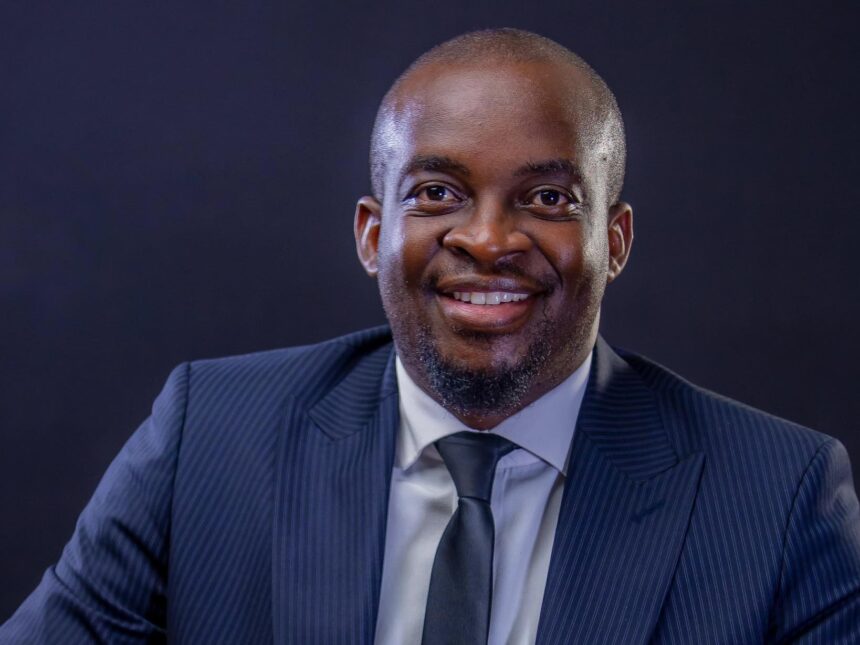
Kamfinsa Member of Parliament Christopher Kang’ombe has called on government to apologise to Zambians for what he describes as years of being overcharged for fuel, despite the recent drop in prices. Speaking during an interview on 5FM Radio on Tuesday, the Patriotic Front (PF) lawmaker argued that the current fuel price—ranging between K23 and K24 per litre—remains too high and does not reflect the potential savings made possible by increased use of the TAZAMA pipeline.
Kang’ombe pointed out that the opposition had consistently warned about the unsustainable nature of fuel pricing in Parliament, but those concerns were largely dismissed. “I was expecting an apology from government on the price of fuel,” he said. “We warned in Parliament. That’s why when you’re in government, you must take submissions from the opposition seriously and pick out what is key.”
He emphasized that the government must learn to listen more attentively to opposition voices, as they often raise valid and constructive points. “The opposition MPs will say a lot of things. Someone should sit in a certain office and they must start picking issues. You can’t have one company being the only player,” he added, referring to the monopolistic tendencies in the fuel importation and supply sector.
Kang’ombe believes that now, with multiple players utilising the TAZAMA pipeline, fuel prices should be dropping more significantly than they currently are. He questioned the lack of transparency in how pricing is determined and suggested that the public deserves clarity and fairness in fuel cost structures.
“Zambians have been overcharged for the past four years,” he said. “It’s not enough to reduce the price by a few kwacha and say all is well. People need to see that the government is committed to creating a competitive, transparent market that actually benefits citizens.”
The Kamfinsa MP also hinted at a broader need for reforms in the energy sector, stressing the importance of decentralisation, increased competition, and honest communication with the public. “When you admit there’s been a mistake and work to correct it, citizens gain trust in leadership,” he stated.
While the government has cited external factors like global oil prices and exchange rate volatility for past increases, Kang’ombe maintains that domestic policy choices and lack of competitive procurement processes have played a major role in keeping fuel prices unnecessarily high.
As public debate continues over the cost of living and the affordability of essential commodities, fuel remains at the heart of the conversation. With pressure mounting, opposition voices like Kang’ombe’s are likely to grow louder, demanding more than temporary relief but long-term structural change in how fuel pricing is managed in Zambia.