






The International Monetary Fund (IMF) has recognised Zambia’s progress in strengthening its management of climate-related risks, protecting public finances and preparing the economy against the growing effects of droughts, floods and extreme weather events. In its October 2026 Technical Assistance Report titled “Zambia, Climate Change and Fiscal Risks,” the IMF highlights improvements in fiscal transparency, climate risk assessment and coordination among government institutions. The recognition comes as Zambia continues working to strengthen economic stability and build resilience against climate shocks that threaten agriculture, electricity generation, infrastructure and household livelihoods. The report also highlights the importance of integrating climate-related risks into national economic planning and public financial management. For ordinary Zambians, these developments matter because the effects of climate change extend beyond the environment and directly influence food prices, electricity supply, employment opportunities and the cost of living.
Climate change has become an important economic and development concern for Zambia because the country’s economy depends on sectors that are highly exposed to weather conditions. Agriculture remains particularly vulnerable to prolonged dry spells, irregular rainfall and extreme weather events. Electricity generation also faces significant risks because Zambia relies heavily on hydropower, which depends on water availability in major reservoirs. When rainfall declines and water levels fall, electricity production can become constrained, affecting households, businesses and industries. These challenges demonstrate why climate risk management must form part of the country’s broader economic development strategy.
The impact of climate shocks became particularly evident during the 2023 to 2024 drought, when Zambia experienced a 54 percent decline in maize production. The severe reduction in agricultural output affected food availability and placed additional pressure on households that depend on farming for their livelihoods. The drought also contributed to a major electricity crisis, with load-shedding reaching as much as 23 hours per day in some areas. Businesses and industries faced operational difficulties as electricity supply became increasingly constrained. Government also had to mobilise additional resources to support vulnerable households and respond to the emergency, demonstrating the financial consequences of inadequate preparation for climate-related disasters.
The experience exposed the close relationship between climate conditions and economic stability. A prolonged drought can reduce agricultural production, increase pressure on food supplies and weaken household incomes. It can also affect electricity generation, disrupt business operations and reduce productivity across different economic sectors. Government may then face additional spending demands to provide emergency assistance, protect vulnerable communities and restore damaged infrastructure. These pressures can increase fiscal risks and complicate efforts to maintain sustainable public finances.
The IMF’s assessment recognises that Zambia has made important progress in developing systems to identify and manage these risks. One major development is the introduction of fiscal risk statements and a climate fiscal risk register. These instruments are intended to help Government identify potential threats to public finances before they develop into major economic problems. By documenting climate-related risks, authorities can better understand the possible financial consequences of droughts, floods and other extreme weather events. This information can support more informed decisions when preparing national budgets and allocating public resources.
Stronger fiscal planning is particularly important because climate emergencies can create unexpected demands on Government finances. Without proper risk assessment, public authorities may struggle to respond effectively when disasters occur. A climate fiscal risk register provides a framework for identifying vulnerabilities and considering how they could affect government revenue, expenditure and public debt. Fiscal risk statements also help improve transparency by communicating potential threats to the country’s financial position. These measures can strengthen accountability and encourage more responsible management of public resources.
Another important area of progress involves improving Zambia’s ability to forecast the economic effects of climate shocks. With technical assistance from the IMF, the country is developing the capacity to estimate how droughts and other climate-related events could affect economic growth, government revenue, public spending and debt. This work is important because climate disasters often create financial consequences that extend well beyond the immediate emergency. For example, a decline in agricultural production can affect food supplies, household incomes and economic activity. Reduced hydropower generation can also affect businesses, industrial production and government revenue.
Better economic forecasting can help Government prepare for these challenges before they occur. By understanding the potential financial impact of different climate scenarios, policymakers can identify areas that require additional protection and investment. Such analysis can also help authorities determine how much financial support may be needed during emergencies. It can improve budget planning by ensuring that climate-related risks receive appropriate attention during national resource allocation. Over time, stronger forecasting systems could reduce the financial disruption caused by extreme weather events.
Energy diversification is another important part of Zambia’s strategy to strengthen climate resilience. The country is advancing the development of solar and wind energy to reduce its dependence on hydropower and improve the reliability of electricity supply. This approach is important because prolonged droughts can reduce water availability and limit the amount of electricity generated from hydroelectric facilities. Expanding renewable energy sources can help reduce the pressure on the national electricity system during periods of low rainfall. It can also support households, farms, businesses and industries that depend on reliable power to operate.
Solar energy offers opportunities to expand electricity generation in different parts of Zambia because it does not depend on rainfall or water levels in reservoirs. Wind energy can also contribute to diversifying the country’s electricity generation mix where suitable resources are available. A broader energy mix could help improve electricity security and reduce the economic risks associated with dependence on a single major source of power. Reliable electricity is essential for mining, manufacturing, agriculture, education and healthcare. Continued investment in energy diversification can therefore support both climate resilience and long-term economic growth.
The IMF has also highlighted improvements in coordination among Government institutions and the reporting of climate-related risks. Effective climate risk management requires cooperation between different ministries, departments and agencies because the effects of extreme weather cut across several areas of national development. Agricultural authorities need to understand how changing weather patterns affect food production, while energy institutions must assess risks to electricity generation. Finance and planning institutions must also consider the financial implications of climate emergencies when preparing national budgets. Better coordination can help Government develop a more consistent approach to planning, investment and emergency response.
Greater accountability is another important benefit of improved climate risk reporting. When Government institutions identify and communicate potential risks more effectively, policymakers can make better-informed decisions about public spending and infrastructure development. This can help ensure that investments take account of future climate conditions rather than focusing only on immediate needs. It can also strengthen oversight of public resources allocated to climate adaptation and disaster response. Ultimately, better information can improve the quality of government decisions and reduce the likelihood of costly interventions that could have been avoided through proper planning.
Despite the progress recognised by the IMF, Zambia still has important work to do in strengthening its climate fiscal risk management systems. The Fund has recommended that the country publishes its first quantified climate-related fiscal risk assessment by October 2027. This assessment is expected to provide a clearer picture of the potential financial consequences of climate change for the national economy and public finances. The IMF has also recommended expanding the analysis to include floods and storms by October 2028. These milestones are intended to strengthen the country’s ability to anticipate different climate threats and prepare appropriate responses.
The planned assessments will be important because climate-related financial risks extend beyond droughts. Floods and storms can damage roads, bridges, public buildings and other infrastructure, creating significant reconstruction costs. They can also disrupt transport networks, affect agricultural activities and interrupt access to essential services. By expanding climate risk assessments to cover these hazards, Government will be better positioned to understand the potential costs of different emergencies. This information can help guide investment decisions, improve infrastructure planning and strengthen disaster preparedness.
The recommendations also highlight the importance of protecting public investments against climate-related damage. Infrastructure projects require substantial financial resources and are expected to support economic activity over many years. If roads, bridges, energy facilities and public buildings are not designed with climate risks in mind, extreme weather events can shorten their useful lives and increase maintenance costs. Integrating climate considerations into infrastructure planning can help Government protect public assets and ensure that development investments deliver lasting benefits. It can also reduce the financial burden associated with repeatedly repairing infrastructure damaged by extreme weather.
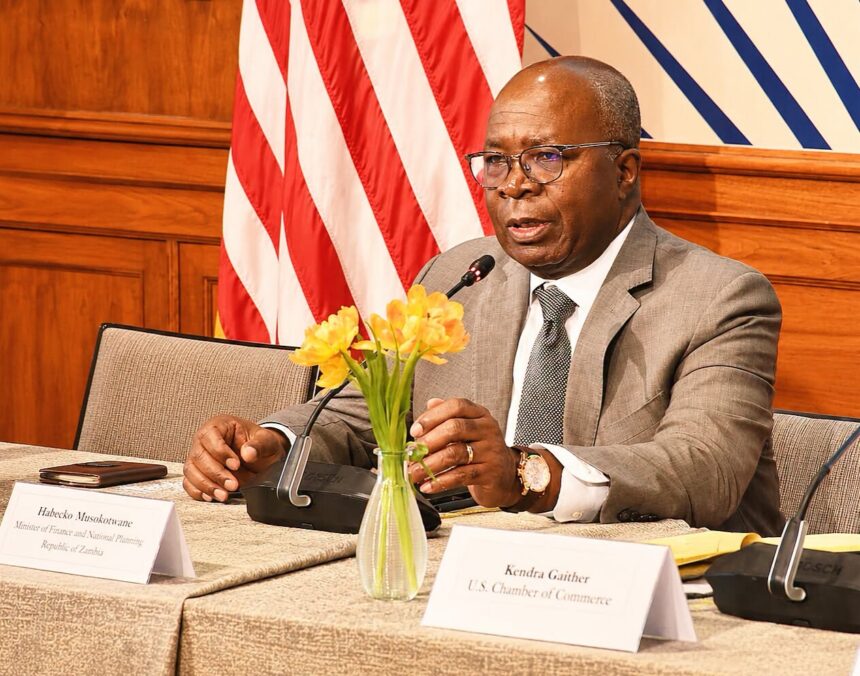
Commenting on the importance of the IMF report, Finance and National Planning Minister Dr Situmbeko Musokotwane, MP, said protecting the economy against climate shocks was essential to Zambia’s next phase of development. He explained that the country’s transition from economic stabilisation to sustained growth requires stronger protection against climate-related risks. The Minister emphasised the importance of anticipating risks, diversifying energy sources and safeguarding public finances. He noted that these efforts would strengthen the foundations for productive investment, job creation and lasting national prosperity. His remarks underline the government’s position that economic resilience must remain central to Zambia’s development priorities.
The Minister’s comments also reflect the broader economic agenda of moving beyond stabilisation towards stronger production, investment and employment creation. Economic stabilisation provides an important foundation, but sustained growth requires an economy that can withstand external and domestic shocks. Climate emergencies can undermine progress by reducing production, disrupting electricity supply and increasing government expenditure. Protecting the economy against these risks can help create a more predictable environment for businesses and investors. It can also support efforts to expand economic opportunities and improve household incomes.
This approach is consistent with the 2027 National Budget theme, “Grow Zambia: From Stabilisation to Unlocking Opportunities, Creating Jobs and Improving Livelihoods for All.” The theme places emphasis on expanding economic opportunities, increasing production and improving the welfare of citizens. Climate resilience supports these objectives because businesses and households need reliable infrastructure, electricity and food supplies to participate effectively in economic activity. Protecting key sectors against extreme weather can help reduce disruptions that threaten productivity and employment. Climate adaptation is therefore not simply an environmental responsibility but an important part of national economic planning.
Agriculture is one of the sectors that stands to benefit significantly from stronger climate resilience. Farmers need access to reliable weather information, appropriate farming methods, irrigation opportunities and other forms of support to manage changing weather conditions. Better preparation can help reduce the effects of droughts on crop production and protect household incomes. It can also strengthen national food security by reducing the risk of severe production losses. A more resilient agricultural sector would contribute to stable food supplies and support the wider economy.
The mining and manufacturing sectors also depend on reliable energy and infrastructure. Extended electricity disruptions can increase operating costs, reduce production and affect employment. Climate-related damage to roads and other transport infrastructure can further disrupt the movement of goods and services. By diversifying electricity generation and protecting infrastructure against extreme weather, Zambia can create a more reliable operating environment for businesses. This could support investment, improve industrial productivity and strengthen the country’s ability to compete in regional and international markets.
For ordinary Zambians, the benefits of stronger climate risk management should ultimately be reflected in more reliable public services, protected livelihoods and a more stable economy. Better preparation can help Government respond more effectively to emergencies without placing unnecessary pressure on public finances. It can also reduce the disruptions that affect farmers, traders, workers and small businesses when extreme weather occurs. However, the success of these measures will depend on consistent implementation, adequate financing and effective coordination across Government institutions. The benefits will be greatest when climate resilience translates into practical improvements in communities and productive sectors.
The IMF’s recognition of Zambia’s progress provides an important indication that the country is strengthening its approach to managing climate-related economic risks. The introduction of fiscal risk statements, a climate fiscal risk register, improved economic forecasting and energy diversification represents meaningful progress. The proposed assessments for 2027 and 2028 will provide further opportunities to improve planning and accountability. Zambia must now build on these developments by ensuring that climate resilience becomes an integral part of public investment, economic planning and service delivery. A stronger economy must also be a resilient economy, one capable of protecting production, supporting investment, creating jobs and safeguarding the livelihoods of citizens even when faced with droughts, floods and other extreme weather events.