







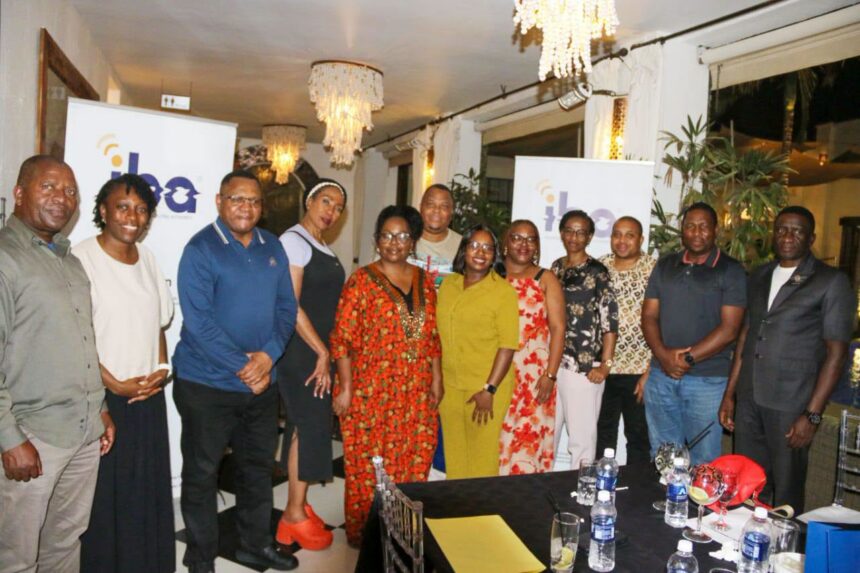
The Independent Broadcasting Authority (IBA) has reaffirmed its commitment to effective broadcasting regulation as a key pillar in promoting responsible media operations, strengthening industry sustainability and safeguarding national peace and stability. The Authority emphasised that a strong and independent broadcasting regulatory framework is essential for ensuring that media institutions operate responsibly while contributing positively to national development. The position was highlighted by IBA Board Vice Chairperson, Madam Victoria Mupwaya, during a farewell dinner hosted in honour of a visiting delegation from Eswatini. The dinner marked the conclusion of a successful benchmarking visit aimed at exchanging knowledge, sharing regulatory experiences and strengthening cooperation between the two countries. The engagement provided an opportunity for both parties to reflect on the lessons learned and explore ways of improving broadcasting regulation and institutional effectiveness.
In her remarks, Madam Victoria Mupwaya highlighted the importance of benchmarking visits in strengthening institutional capacity and promoting cooperation among broadcasting regulatory authorities. She observed that such engagements create valuable opportunities for institutions to learn from one another’s experiences and identify practical approaches to common industry challenges. The exchange of knowledge is particularly important in the broadcasting sector, where technological developments and changing audience expectations continue to influence how media services operate. She noted that cooperation in broadcasting regulation and sustainable financing can help regulatory institutions become more effective and better prepared to respond to emerging challenges. The IBA’s engagement with the Eswatini delegation therefore represented an important step towards strengthening regional relationships and promoting improved regulatory practices.
Madam Mupwaya also stressed that the rapidly evolving broadcasting environment requires regulatory institutions to remain innovative, responsive and forward-looking. Changes in broadcasting technology, digital platforms and content distribution have created new demands for regulators across the region. Regulatory authorities must therefore continuously review their approaches to ensure that their oversight responsibilities remain relevant and effective. She emphasised that innovation should go hand in hand with sustainable financing frameworks that support institutional operations and strengthen regulatory independence. Without reliable financial resources, regulatory institutions may struggle to perform their responsibilities effectively and respond to developments within the broadcasting industry.
Financial sustainability remains an important consideration for broadcasting regulators because it directly affects their ability to carry out oversight functions independently and consistently. Regulatory institutions require adequate resources to monitor broadcasting content, supervise licensed operators, enforce compliance requirements and maintain professional standards. Sustainable financing arrangements can also improve institutional planning and reduce dependence on funding sources that may compromise operational independence. The discussions during the benchmarking visit highlighted the importance of identifying financing approaches that support long-term institutional stability. These considerations are particularly relevant as broadcasting regulators seek to balance public interest responsibilities with the changing financial realities of the media industry.
IBA Director General, Mr Webster Malido, also commended the visiting Eswatini delegation for its active participation and the fruitful engagements held during the benchmarking visit. He reaffirmed the Authority’s commitment to strengthening regional partnerships and sharing best practices in broadcasting regulation. His remarks highlighted the importance of maintaining open communication and cooperation among regulatory institutions facing similar challenges. Regional partnerships allow authorities to exchange practical solutions, improve institutional processes and develop a common understanding of emerging issues in broadcasting. Such cooperation can also contribute to stronger regulatory standards and improved media governance across the region.
Speaking on behalf of the visiting delegation, Under Secretary and Head of Delegation, Ms Macanjana Motsa, expressed gratitude to the IBA for its hospitality and the valuable learning opportunities provided throughout the visit. She acknowledged the importance of the engagements in helping the delegation understand different approaches to broadcasting regulation and institutional development. The benchmarking exercise offered an opportunity to observe how Zambia’s broadcasting sector operates and how different institutions contribute to its development. She indicated that the knowledge and experiences gained would provide useful guidance for future regulatory initiatives in Eswatini. Her remarks also reflected the value of international cooperation in strengthening public institutions through practical learning and professional exchanges.
During their visit, the Eswatini delegation engaged with several key institutions within Zambia’s broadcasting and information sectors. These included the Independent Broadcasting Authority, Zambia National Broadcasting Corporation (ZNBC), TopStar, Power FM, Zambia News and Information Services (ZANIS) and the Ministry of Information and Media. The engagements provided the delegation with exposure to different aspects of broadcasting operations, media management, content distribution and public information services. By interacting with these institutions, the visitors gained a broader understanding of the relationships between regulators, broadcasters, technology providers and government communication structures. The engagements also demonstrated the importance of coordination among different stakeholders in maintaining a functional and sustainable broadcasting environment.
One of the notable highlights of the benchmarking visit was the delegation’s tour of a community radio station in Chongwe. The visit provided practical insights into the role of community broadcasting in promoting local participation, sharing information and addressing the communication needs of communities. Community radio stations play an important role in giving local people access to relevant information and opportunities to participate in public discussions. However, their long-term sustainability often depends on their ability to mobilise resources, develop innovative operational models and maintain strong relationships with the communities they serve. The delegation particularly appreciated the lessons on local resource mobilisation, innovation and community participation as important factors in sustaining community broadcasting services.
The experience at the Chongwe community radio station also highlighted the need to recognise community broadcasters as important contributors to national development. Unlike larger commercial broadcasters, community radio stations often operate with limited financial and technical resources. Their ability to remain operational depends on effective management, community support and the development of practical income-generating activities. Local participation can help strengthen public trust while ensuring that programming reflects the needs, interests and priorities of the people being served. The lessons gained from this engagement could help inform approaches to supporting community broadcasting in Eswatini and other countries seeking to strengthen local media services.
Hon. Nathi Hlope also commended the Independent Broadcasting Authority for its regulatory work, particularly its content monitoring and oversight functions. He recognised the importance of effective regulation in ensuring that broadcasting institutions operate responsibly and maintain appropriate professional standards. Content monitoring allows regulatory authorities to assess broadcasting services and identify potential violations of established requirements. Effective oversight also helps promote accountability and encourages broadcasters to consider the wider impact of their programming on society. Hon. Hlope further emphasised that financial sustainability is essential for protecting media institutions from manipulation and safeguarding their independence.
The relationship between broadcasting regulation and national peace and stability was another important issue reflected in the discussions. Broadcasting remains a powerful communication platform that can influence public understanding, shape opinions and contribute to national conversations. Responsible broadcasting can promote accurate information, constructive debate and respect for different perspectives. However, irresponsible media practices can also contribute to misinformation, social tensions and divisions within communities. Effective regulation therefore plays an important role in encouraging professional conduct while protecting the broader public interest. Regulatory institutions must carry out their responsibilities fairly and consistently to maintain public confidence in the broadcasting sector.
Media independence is equally important in building a healthy broadcasting environment. Broadcasters need the freedom to carry out their professional responsibilities without inappropriate interference, while remaining accountable to the laws and standards governing their operations. Regulatory authorities must balance these principles by enforcing broadcasting requirements fairly and protecting the independence of media institutions. Sustainable financing can strengthen this balance by giving regulators the resources needed to perform their functions without undue external influence. The concerns raised during the benchmarking visit demonstrate that financial stability, institutional independence and effective oversight are closely connected.
The Eswatini delegation’s visit also reinforced the importance of regional cooperation in addressing common broadcasting challenges. Countries in the region are experiencing changes in technology, media consumption patterns and the financial models that support broadcasting operations. These developments require regulatory authorities to continuously improve their knowledge, policies and operational strategies. Sharing experiences through benchmarking visits allows institutions to learn from approaches that have been tested in different environments. It also creates opportunities to build professional relationships that can support future cooperation, capacity development and improved regulatory practices.
For Zambia, the successful engagement with the Eswatini delegation demonstrates the value of sharing institutional knowledge and promoting cooperation within the broadcasting industry. The IBA’s willingness to host the delegation reflects its commitment to strengthening regional partnerships and contributing to the development of effective broadcasting regulation. The knowledge exchanged during the visit can also encourage further improvements in institutional management, regulatory oversight and sustainable financing. By working with counterparts from other countries, the Authority can gain fresh perspectives on emerging industry challenges while sharing experiences from Zambia’s own regulatory environment. Such engagements help create a stronger foundation for cooperation and continuous institutional development.
The benchmarking visit concluded with both parties expressing appreciation for the opportunities created through the exchange. The Eswatini delegation indicated confidence that the knowledge and experiences gained would inform future regulatory initiatives and strengthen broadcasting oversight in its country. The farewell dinner provided an opportunity to recognise the successful engagements and reinforce the importance of maintaining professional relationships between the institutions. The discussions also highlighted the need for continued attention to innovation, financial sustainability, responsible broadcasting and regulatory independence. These priorities will remain important as broadcasting authorities respond to changes within the media landscape.
The Independent Broadcasting Authority’s reaffirmation of its commitment to effective broadcasting regulation sends an important message about the role of strong institutions in building a responsible and sustainable media industry. The engagement with the Eswatini delegation demonstrated that cooperation, knowledge sharing and institutional learning can help regulatory authorities improve their performance. From content monitoring and media independence to sustainable financing and community broadcasting, the issues discussed reflect the broad responsibilities involved in regulating a changing industry. The lessons from the visit to Zambia’s broadcasting institutions, particularly the community radio station in Chongwe, also highlighted the importance of innovation and local participation. Continued regional cooperation will be essential in strengthening broadcasting oversight, protecting media independence and ensuring that broadcasting remains a positive contributor to national development, peace and stability.