





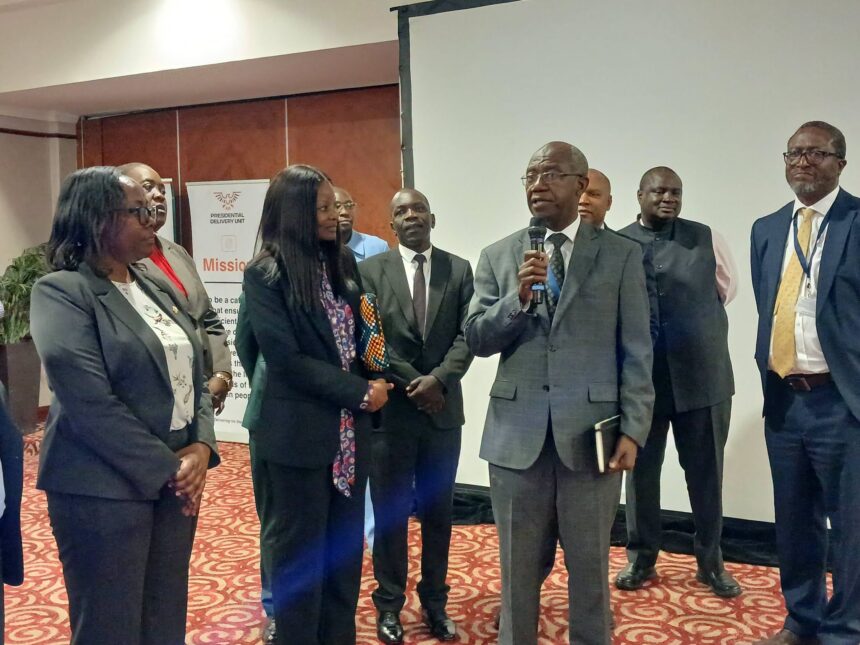
Zambia is stepping up efforts to strengthen its tourism industry and attract 5 million tourist arrivals annually under the government’s Grow Zambia Agenda. Secretary to the Cabinet, Mr. Patrick Kangwa, recently engaged tourism stakeholders during a consultative delivery lab organised by the Presidential Delivery Unit (PDU), highlighting the government’s commitment to turning its tourism ambitions into measurable results. The engagement brought attention to the need for stronger collaboration between government institutions, tourism operators, investors and private sector leaders. It also underscored the importance of addressing regulatory challenges, reducing the cost of doing business and improving the environment for tourism investment. By focusing on practical solutions and faster implementation, Zambia aims to position tourism as a major contributor to economic growth, employment creation and national development.
The target of attracting 5 million tourists annually reflects Zambia’s ambition to make better use of its natural attractions, cultural heritage and hospitality industry. The country has significant tourism potential, including Victoria Falls, national parks, wildlife reserves and destinations that showcase its diverse cultures and traditions. These attractions can draw international visitors seeking wildlife experiences, adventure activities, nature-based holidays and cultural tourism. However, attracting more tourists requires more than promoting destinations to international markets. Zambia must also provide reliable transport connections, quality accommodation, accessible visitor services and a business environment that encourages tourism operators to expand. The government’s focus on stakeholder engagement is therefore important because sustainable growth depends on addressing the practical challenges that affect both visitors and businesses.
Patrick Kangwa’s engagement with tourism stakeholders through the Presidential Delivery Unit’s consultative delivery lab represents an effort to strengthen coordination between public institutions and the private sector. Such consultations allow stakeholders to identify obstacles that prevent policies and investment plans from producing the intended results. Tourism businesses can highlight challenges related to licensing, regulatory compliance, infrastructure, taxation and the time required to secure approvals. Government officials can then work with industry representatives to identify solutions, assign responsibilities and establish clear priorities. This approach can help ensure that tourism development plans reflect the realities faced by businesses operating across Zambia.
The Presidential Delivery Unit plays an important role in supporting the implementation of government priorities by helping institutions address delays and coordinate action. Government strategies can establish ambitious goals, but their success depends on whether the responsible institutions deliver the required changes within practical timeframes. The PDU’s consultative delivery labs are intended to bring relevant decision-makers and industry stakeholders together to develop actionable roadmaps. These discussions can help identify administrative bottlenecks, clarify responsibilities and improve cooperation between agencies. By focusing on execution, the initiative seeks to move tourism development beyond policy commitments and towards practical improvements that can benefit investors, operators, workers and visitors.
Reducing the cost of doing business is another important priority for Zambia’s tourism sector. Tourism operators often need to manage expenses associated with permits, business registration, utilities, transport, staff training, equipment and property maintenance. Complicated approval processes and overlapping regulatory requirements can create additional costs, particularly for small and medium-sized enterprises. Streamlining procedures and improving coordination among government agencies could make it easier for businesses to establish operations, expand their services and invest in new destinations. A more predictable regulatory environment could also improve investor confidence by helping businesses plan their projects and estimate operating costs more accurately.
Private sector participation will be essential if Zambia is to reach its target of 5 million annual tourist arrivals. Hotels, lodges, tour operators, restaurants, transport companies and local experience providers all contribute to the quality of a visitor’s journey. Their ability to invest in new products and improve existing services can influence how long tourists stay, how much they spend and whether they recommend Zambia to other travellers. Investors also need confidence that infrastructure, regulations and public services will support their long-term business plans. Continued engagement between government and tourism stakeholders can help identify investment opportunities while ensuring that development priorities respond to the needs of the industry.
Infrastructure development is another factor that could determine the pace of tourism growth. Visitors need convenient access to attractions, dependable transport options, suitable accommodation and reliable services during their stay. Improving roads, airport connections, digital connectivity and essential public infrastructure can make destinations easier to reach and more attractive to domestic and international travellers. Infrastructure improvements can also support communities that live near tourism destinations by improving access to markets, public services and employment opportunities. Coordinated planning will be important to ensure that investment benefits established destinations while also opening opportunities in less-developed tourism areas.
Zambia’s natural environment offers opportunities to expand eco-tourism and wildlife tourism. National parks, protected areas and wildlife reserves can attract visitors interested in conservation, guided safaris, birdwatching and outdoor experiences. Developing these products responsibly can generate income for tourism businesses and local communities while creating incentives to protect natural resources. However, growth must be managed carefully to avoid environmental damage, habitat loss and pressure on sensitive ecosystems. Tourism investment should therefore consider conservation requirements, responsible waste management, community participation and the long-term protection of wildlife. A sustainable approach can help Zambia build a tourism industry that creates economic value without undermining the natural attractions on which it depends.
Cultural heritage tourism also provides opportunities to broaden Zambia’s appeal to international visitors. The country’s traditions, music, dance, food, crafts and cultural celebrations can offer distinctive experiences beyond conventional wildlife and nature-based holidays. Supporting community-led tourism initiatives can help local people earn income while preserving cultural knowledge and traditional practices. Small businesses involved in crafts, food production, entertainment and guiding can benefit when tourism spending reaches communities directly. Promoting cultural experiences alongside established attractions could also encourage visitors to stay longer and explore more destinations. This wider tourism offering would help distribute economic benefits across different regions and business sectors.
Hospitality development will be equally important as Zambia works towards its tourism target. Hotels, guesthouses, lodges, restaurants and other service providers must deliver experiences that meet visitors’ expectations for comfort, safety, cleanliness and customer service. Investment in staff training can improve service standards while creating opportunities for Zambians to develop careers in hospitality and tourism management. Businesses can also benefit from adopting digital booking systems, improving online visibility and offering services that meet the needs of different visitor groups. As tourist arrivals increase, maintaining consistent quality will be essential to building Zambia’s reputation as a competitive destination.
The government’s tourism ambitions are closely linked to its broader objective of achieving annual gross domestic product growth of between 7% and 10%. Tourism can contribute to economic expansion by attracting visitor spending, encouraging investment and supporting businesses across several industries. A tourist’s expenditure can benefit accommodation providers, transport operators, restaurants, guides, farmers, artisans and retailers. These connections create opportunities for value addition by encouraging local businesses to supply goods and services to the tourism industry. The economic impact will depend not only on the number of visitors Zambia attracts but also on how much they spend, how long they stay and how effectively tourism revenue circulates within the domestic economy.
Employment creation is another important reason to prioritise tourism development. The sector supports a range of jobs, including tour guides, hotel staff, chefs, drivers, park workers, travel consultants and small business owners. Expanding tourism can create opportunities for young people and entrepreneurs, particularly in communities located near major attractions. Local suppliers can also benefit when hotels and restaurants purchase food, furniture, crafts and other products from Zambian businesses. To maximise these benefits, tourism policies need to support skills development, access to finance and opportunities for local enterprises to participate in tourism supply chains. Greater participation by local communities can help ensure that tourism growth produces benefits beyond the largest hotels and established operators.
Achieving 5 million annual tourist arrivals will require sustained implementation, effective promotion and continued cooperation between government and the private sector. The consultative delivery labs provide a platform for identifying barriers and developing practical responses, but their impact will depend on the actions that follow each engagement. Clear timelines, measurable performance indicators and regular progress reviews can help stakeholders determine whether reforms are producing meaningful improvements. Better coordination across tourism, transport, infrastructure, environmental management and investment agencies will also be necessary. While the target sets an ambitious direction for the sector, progress will need to be assessed against reliable visitor data and evidence of improvements in the tourism business environment.
Zambia’s push to attract 5 million tourists annually under the Grow Zambia Agenda reflects the government’s ambition to make tourism a stronger engine of economic growth. Patrick Kangwa’s engagement with industry stakeholders through the Presidential Delivery Unit highlights the importance of practical reforms, private sector participation and effective implementation. Reducing regulatory barriers, improving infrastructure and strengthening eco-tourism, cultural heritage and hospitality could help the country attract more visitors while expanding opportunities for local businesses and workers. Tourism growth can also support the broader goal of achieving annual GDP growth of 7% to 10%, provided that investment generates sustainable economic benefits across the country. The success of this initiative will ultimately depend on translating the commitments made during stakeholder consultations into measurable improvements that make Zambia more accessible, competitive and attractive to visitors.