




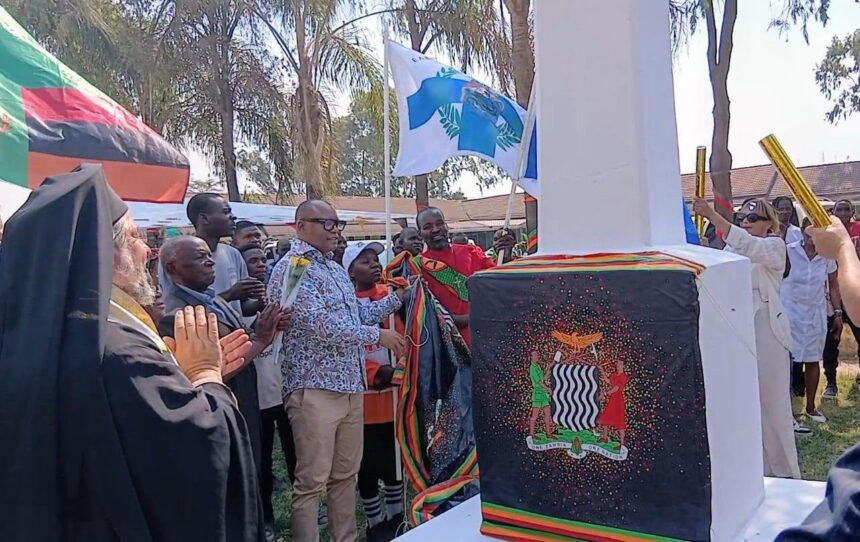
Zambia’s 62nd Independence Anniversary provided an opportunity to reflect on the country’s liberation struggle, honour the men and women who fought for freedom and highlight the importance of preserving its historical and cultural heritage. Ministry of Tourism Permanent Secretary Mr. Evans Muhanga joined members of the Orthodox Church and other invited guests at St. Basil Orthodox Church in Lusaka West to commemorate the national milestone. Attending as Guest of Honour, Mr. Muhanga emphasised the role of heritage preservation in strengthening national identity and supporting tourism development. The ceremony brought together government officials, members of the clergy, civil society representatives and athletes with disabilities in a spirit of patriotism, remembrance and unity. The gathering also highlighted the importance of passing Zambia’s history to younger generations while recognising the contributions of those who helped secure the country’s independence.
Mr. Muhanga attended the commemoration following an invitation from His Eminence Metropolitan Ioannis of Zambia and Mozambique. The participation of the Ministry of Tourism reflected the connection between Zambia’s national history, cultural identity and tourism potential. Independence celebrations offer an opportunity for citizens to remember the sacrifices made during the struggle for freedom and to consider how the country’s heritage can contribute to its future development. The Orthodox Church’s commemoration placed particular emphasis on remembering the freedom fighters whose efforts helped shape modern Zambia. Through prayer, reflection and public recognition, the event reinforced the importance of preserving the stories and achievements associated with the country’s journey to independence.
The programme featured prayers of thanksgiving, a memorial service and the laying of wreaths in honour of fallen national heroes. These activities provided an opportunity for participants to pay tribute to those who sacrificed their lives and contributed to Zambia’s liberation. The ceremony also included cultural performances by the Police Band, majorettes and the OYDC Cultural Group, showcasing different forms of Zambia’s cultural expression. Such performances help bring national celebrations to life by combining remembrance with music, movement and community participation. They also demonstrate how cultural activities can strengthen a shared sense of belonging while introducing audiences to the traditions and creative talents that form part of the country’s national identity.
Speaking during the event, Mr. Muhanga commended the Orthodox Church for its continued recognition of Zambia’s freedom fighters and its contribution to preserving the country’s historical legacy. He stressed the importance of safeguarding liberation history, historical landmarks, cultural traditions and heritage sites for present and future generations. These assets provide valuable insight into the experiences, struggles and achievements that shaped the nation. Preserving them also helps ensure that important historical accounts remain accessible to students, researchers, visitors and local communities. Mr. Muhanga’s message highlighted the need to treat heritage conservation as an important part of national development rather than simply an exercise in remembering the past.
The Permanent Secretary also drew attention to the relationship between heritage preservation and tourism development. Zambia is widely recognised for its natural attractions, but its tourism offering also includes historical sites, cultural traditions and stories connected to the independence struggle. Promoting these resources can create opportunities to diversify tourism experiences and attract visitors interested in understanding the country’s history and cultural identity. Heritage tourism can also encourage communities to protect historically significant places while creating opportunities for local guides, artisans, cultural performers and tourism businesses. By integrating historical and cultural assets into tourism promotion, Zambia can broaden the experiences available to visitors while strengthening public appreciation of its national heritage.
Zambia’s liberation history holds particular importance because it reflects the determination and sacrifices of the people who worked towards self-rule. Historical landmarks, memorials and sites associated with the independence movement can help visitors understand the events and individuals behind the country’s political development. These places also provide educational opportunities for younger generations, allowing them to explore their national history beyond textbooks and classroom discussions. Protecting such sites requires continued attention to conservation, documentation and public awareness. It also requires cooperation among government institutions, traditional leaders, religious organisations, historians and local communities to ensure that historical accounts and cultural practices receive appropriate recognition.
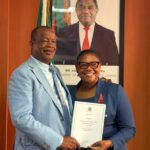
A significant moment during the commemoration was the presentation of medals to veteran freedom fighters Mr. Bautis Frank Kapulu and Mama Betty Chilunga in recognition of their contributions to Zambia’s independence struggle. Veteran freedom fighter and statesman Dr. Vernon Mwaanga was also honoured in absentia. The recognition highlighted the importance of acknowledging individuals whose efforts contributed to the country’s liberation and subsequent development. Honouring freedom fighters at public events gives citizens an opportunity to recognise their service and understand the human experiences behind national independence. It also reinforces the responsibility to preserve their stories and ensure that future generations appreciate the sacrifices made in the pursuit of freedom.
The recognition of veteran freedom fighters also demonstrates how commemorative events can connect historical remembrance with national education. Personal accounts from people who experienced the independence struggle can provide valuable perspectives on the challenges, decisions and sacrifices involved in the movement for self-rule. Preserving these accounts through interviews, archives, exhibitions and educational programmes can help protect important aspects of Zambia’s history. Cultural and heritage tourism initiatives could also incorporate responsibly presented historical narratives to give visitors a deeper understanding of the country. Such efforts would help ensure that the legacy of the independence struggle remains part of Zambia’s public consciousness while contributing to the development of meaningful tourism experiences.
The involvement of different groups at St. Basil Orthodox Church further reflected the unifying role of national commemorations. Government officials, clergy, civil society representatives and athletes with disabilities participated in an event that brought together people from different backgrounds around a shared national occasion. This broad participation highlighted the importance of inclusion and collective responsibility in celebrating Zambia’s independence. National identity is strengthened when citizens have opportunities to participate in public commemorations and learn about the experiences that connect them. Cultural performances, memorial services and the recognition of freedom fighters can help create these opportunities while encouraging respect for the country’s diverse communities and traditions.
For Zambia’s tourism sector, the commemoration reinforced the value of promoting experiences that extend beyond the country’s natural attractions. Cultural festivals, historical landmarks, religious heritage and sites associated with the independence struggle can complement established tourism products and encourage visitors to explore more of the country. Developing these experiences requires investment in conservation, interpretation, visitor facilities and effective promotion. It also requires communities to have a meaningful role in protecting and presenting their heritage, particularly where local traditions and historical narratives form the main attraction. When managed responsibly, cultural and heritage tourism can support local economic activity while helping preserve the assets that distinguish Zambia as a destination.
The event at St. Basil Orthodox Church served as a reminder that Zambia’s 62 years of independence represent both a history worth celebrating and a legacy that requires continued protection. Mr. Evans Muhanga’s participation highlighted the Ministry of Tourism’s interest in linking historical preservation with tourism development and national identity. The recognition of freedom fighters, the memorial activities and the cultural performances all reinforced the importance of remembering the people and experiences that shaped the nation. Preserving Zambia’s liberation history and cultural traditions can strengthen national pride, create educational opportunities and broaden the country’s tourism offering. As Zambia continues to develop its tourism sector, protecting its heritage and honouring its heroes will remain important to ensuring that the nation’s past continues to inform its identity and future.