

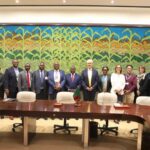






Zambia’s Minister of Health, Hon. Prof. Roma Chilengi, has called for the integration of the Grow Zambia Agenda into the health sector to support President Hakainde Hichilema’s vision of achieving Universal Health Coverage (UHC), improving frontline healthcare delivery and preventing the theft and misuse of medicines. The minister stressed the need for stronger accountability, efficient use of public resources and closer collaboration among institutions responsible for delivering healthcare services. He made these remarks during courtesy calls by statutory bodies and other stakeholders under the Ministry of Health, who discussed strategies to improve service delivery and strengthen oversight across the health sector. The engagement highlighted the importance of ensuring that medicines, medical supplies and other essential health commodities reach the people who need them. By aligning healthcare priorities with the Grow Zambia Agenda, the government aims to improve the effectiveness of public health services and ensure that resources deliver meaningful benefits to communities across the country.
The integration of the Grow Zambia Agenda into the health sector reflects the government’s broader effort to connect national development priorities with practical improvements in public services. Healthcare plays a central role in national development because a healthy population is better positioned to participate in education, employment and economic activities. Reliable access to medical services can also reduce the financial pressure that families face when they need treatment. For Zambia, strengthening the health system requires more than expanding facilities or increasing the availability of medical supplies. It also requires effective planning, responsible management of resources and cooperation among the institutions that oversee healthcare delivery. Prof. Chilengi’s call therefore places accountability and efficient implementation at the centre of efforts to improve health outcomes.
Universal Health Coverage is a central objective of the government’s health agenda. The World Health Organization defines UHC as ensuring that all people can access the health services they need, when and where they need them, without suffering financial hardship. These services include health promotion, disease prevention, treatment, rehabilitation and palliative care. Achieving this goal requires a health system that can provide accessible, affordable and quality services to people in both urban and rural communities. Zambia must continue addressing barriers such as shortages of essential medicines, limited healthcare infrastructure, staffing constraints and the cost of accessing treatment. Integrating the Grow Zambia Agenda into health sector planning could help focus attention on these challenges and strengthen efforts to deliver more equitable healthcare services.
Frontline healthcare delivery is particularly important because it represents the first point of contact for many people seeking medical attention. Health centres, clinics and other primary healthcare facilities provide essential services such as maternal and child healthcare, immunisation, screening, diagnosis and treatment of common illnesses. When these facilities have adequate staff, medicines and equipment, they can respond more effectively to community needs. However, shortages of essential supplies or weaknesses in resource management can interrupt treatment and force patients to seek care elsewhere. Strengthening frontline services therefore requires reliable supply chains, appropriate staffing, sound financial management and effective supervision. Improving these areas can help ensure that healthcare workers have the resources they need to provide timely and appropriate care.
Prof. Chilengi also highlighted the need to curb the pilferage of medicines and other essential health commodities. Medicine theft and the unauthorised diversion of medical supplies can undermine public healthcare programmes by preventing intended beneficiaries from receiving the products purchased for their treatment. Such practices can also increase pressure on public facilities, disrupt treatment plans and weaken confidence in the health system. Preventing these losses requires clear procedures for receiving, storing, distributing and dispensing medicines. Health institutions must also maintain accurate inventory records and investigate unexplained shortages. Stronger monitoring and accountability can help protect public resources while ensuring that essential medical supplies reach patients who depend on government healthcare services.
The management of medicines is a critical part of an effective healthcare system. Public health facilities need reliable systems to forecast demand, procure appropriate products, monitor stock levels and distribute supplies according to patient needs. Weaknesses at any stage can contribute to shortages, wastage or the diversion of medicines. Better coordination between procurement agencies, medical stores, district health offices and individual facilities can improve the movement of supplies throughout the distribution network. Digital inventory systems, regular physical stock checks and clear reporting procedures can also help officials identify discrepancies before they develop into larger problems. These measures can support the government’s efforts to reduce medicine pilferage and improve the availability of essential health commodities.
Accountability across the health sector is equally important for ensuring that public money produces measurable results. Statutory bodies and other institutions operating under the Ministry of Health have responsibilities that contribute to regulation, oversight and the effective delivery of services. Their work requires clear institutional roles, reliable reporting systems and cooperation with the ministry. During the courtesy calls, stakeholders discussed strategies for strengthening accountability and improving service delivery, highlighting the need for a coordinated approach to health sector management. Effective oversight can help identify gaps in implementation, improve compliance with established procedures and support the responsible use of public funds. It can also help ensure that decisions are guided by evidence and that institutions remain focused on delivering better healthcare outcomes.
Efficient resource utilisation is another priority in the integration of the Grow Zambia Agenda into healthcare. Public health resources include funding, medicines, medical equipment, infrastructure and the time and skills of healthcare workers. When these resources are poorly managed, facilities may struggle to provide services even when funding or supplies have been allocated. Strong planning can help health authorities identify the most urgent needs and direct resources towards areas where they can have the greatest impact. Regular performance reviews can also show whether spending and operational decisions are improving service delivery. By promoting efficiency, the Ministry of Health can strengthen the link between public investment and the quality of care received by patients.
Collaboration among healthcare institutions will be necessary to achieve these objectives. The Ministry of Health cannot address every challenge independently, particularly when effective service delivery depends on procurement, distribution, regulation, financial oversight and local implementation. Statutory bodies, healthcare managers and other stakeholders must share information and coordinate their activities to avoid duplication and close gaps in accountability. Clear communication can help institutions resolve operational problems more quickly and improve the consistency of healthcare services. Cooperation also creates opportunities to identify successful practices and apply them across different facilities and districts. A coordinated approach can therefore support more reliable delivery of medicines, better use of resources and stronger oversight throughout the health system.
Equitable access to quality healthcare remains a key consideration in Zambia’s pursuit of Universal Health Coverage. People living in remote communities may face longer journeys to reach health facilities, while some facilities may experience greater pressure on staff, equipment and supplies. Improving healthcare delivery requires attention to these differences so that access to essential services does not depend solely on a person’s location or financial circumstances. Strengthening primary healthcare, improving medicine availability and supporting health workers can help reduce some of these barriers. Better management of public resources can also help ensure that services reach communities with significant unmet needs. The government’s focus on accountability and efficiency is therefore closely linked to its ambition to provide more inclusive healthcare for all Zambians.
Preventing medicine pilferage and improving the use of health resources can also protect public confidence in government institutions. Patients need to trust that the medicines prescribed to them will be available and that healthcare services will operate according to established standards. When supplies disappear or services are disrupted, patients may lose confidence in the institutions responsible for their care. Transparent management, reliable complaint mechanisms and consistent enforcement of rules can help address these concerns. Healthcare institutions should also communicate clearly about stock availability and follow established procedures when shortages occur. Building trust requires sustained action, with measurable improvements in how medicines and other resources are managed.
The successful integration of the Grow Zambia Agenda into the health sector will depend on turning policy priorities into practical changes. Clear responsibilities, realistic implementation plans and regular monitoring can help ensure that commitments lead to improvements at health facilities. Progress should be assessed through indicators such as the availability of essential medicines, the reliability of supply chains, the quality of frontline services and the effectiveness of financial and inventory controls. These measures can help identify areas where additional support or corrective action is needed. Stronger accountability should also include follow-up on identified weaknesses rather than relying solely on inspections and reports. A results-focused approach can help the Ministry of Health determine whether reforms are improving the experience of patients and the performance of healthcare institutions.
Prof. Roma Chilengi’s call to integrate the Grow Zambia Agenda into the health sector underscores the importance of effective governance in achieving Universal Health Coverage in Zambia. Strengthening frontline service delivery, improving the management of essential medicines and preventing the misuse of public resources are important steps towards a more dependable healthcare system. Collaboration among the Ministry of Health, statutory bodies and other stakeholders can help translate these priorities into practical improvements. However, lasting progress will require consistent implementation, transparent oversight and a commitment to ensuring that public resources reach their intended beneficiaries. By placing accountability, efficiency and equitable access at the centre of healthcare planning, Zambia can make meaningful progress towards its goal of providing quality health services to all citizens without exposing them to financial hardship.