







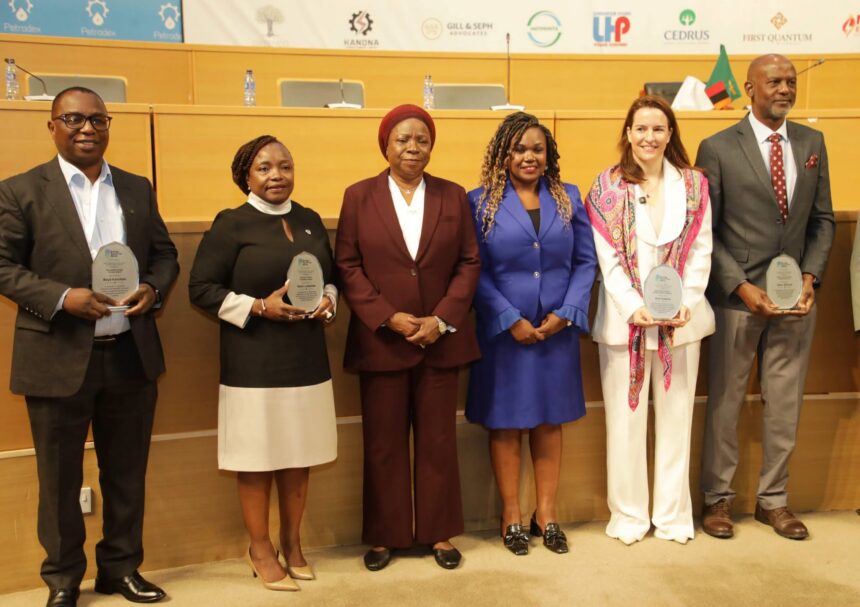
Zambia is making significant progress in strengthening its energy sector, with electricity generation capacity expanding and solar power emerging as an increasingly important part of the country’s energy mix. Vice President Dr. W.K. Mutale-Nalumango highlighted this progress while officiating at the opening of the third edition of the Energy Forum for Africa. The forum was held under the theme “Driving a Borderless Energy Future for Africa,” placing Zambia’s energy development within the wider continental effort to improve access to reliable, affordable and sustainable electricity. The latest figures presented at the forum show that Zambia has increased its installed electricity generation capacity from 3,777 megawatts in 2024 to 4,722.3 megawatts. This expansion reflects the country’s efforts to build an energy sector capable of supporting economic activity, investment and long-term development.
The increase in Zambia’s installed electricity generation capacity represents an important development for the country’s economy. Installed capacity rose by 945.3 megawatts between 2024 and the latest reported figure, demonstrating a substantial expansion of the country’s ability to generate electricity. Reliable electricity is essential for households, businesses, mines, manufacturers, farms and public institutions. A stronger generation base can also help create better conditions for investors who require dependable power to operate and expand their businesses. Zambia’s efforts to expand electricity generation therefore have implications that extend beyond the energy sector and directly relate to economic growth and national development.
One of the most notable developments is the rapid increase in Zambia’s solar power capacity. Installed solar capacity increased from 178 megawatts to 1,027.5 megawatts, representing a major expansion in a relatively short period. The new figure has also surpassed the country’s 2026 target of 1,000 megawatts in installed solar capacity. This achievement highlights the growing role of renewable energy in Zambia’s electricity strategy. It also demonstrates the potential for solar power to contribute to greater diversification of the country’s energy generation capacity.
Solar energy has become increasingly important as countries across Africa seek ways to expand electricity access while improving the sustainability and resilience of their energy systems. Zambia’s growth in installed solar capacity provides an example of how renewable energy can become a larger part of national electricity planning. Solar power can complement other generation sources and help diversify the electricity supply. Expanding the use of renewable energy can also reduce excessive reliance on any single source of generation. For Zambia, continued investment in solar energy could therefore form an important part of efforts to create a more resilient electricity system.
The growth in electricity generation capacity comes at a time when Zambia is seeking to support increased production, investment and industrialisation. Electricity is a fundamental input for almost every productive sector of the economy. Manufacturers need reliable power to operate machinery, farmers increasingly depend on electricity for processing and irrigation, while businesses require dependable energy for technology, refrigeration and other operations. Mining, which plays an important role in Zambia’s economy, also requires substantial and reliable electricity supplies. Expanding energy infrastructure can therefore support greater economic activity and help create an environment in which businesses can invest and grow.
The government’s commitment to a resilient and sustainable energy sector reflects the need to look beyond simply increasing installed generation capacity. A strong energy system also requires adequate transmission infrastructure, effective distribution networks, reliable maintenance and appropriate investment. New generation capacity must be connected to consumers so that the electricity produced can reach households and businesses efficiently. Energy planning must also consider changing patterns of demand as population growth, industrialisation and economic activity increase. Zambia’s energy strategy therefore needs to combine generation expansion with broader improvements across the electricity value chain.
The expansion of solar power is particularly relevant to Zambia’s efforts to diversify electricity generation. The country’s increase from 178 megawatts to 1,027.5 megawatts shows that solar is no longer a small component of the national energy landscape. Surpassing the 2026 solar target also indicates that investment and development in this area have progressed beyond the level originally anticipated for the target year. The continued development of solar energy could provide additional opportunities for private investment and technological development. It may also support Zambia’s broader objective of building an energy system that is more diverse and better prepared to respond to changing energy needs.
The Energy Forum for Africa provides an important platform for discussing these issues because energy challenges do not stop at national borders. The theme “Driving a Borderless Energy Future for Africa” reflects the importance of cooperation between African countries in developing stronger and more connected energy systems. Regional cooperation can create opportunities to share electricity, strengthen transmission networks and improve energy security. It can also encourage investment in projects that have benefits extending beyond a single country. A more interconnected African energy sector could help countries make better use of available generation resources while supporting economic activity across national borders.
For Zambia, regional energy cooperation can complement domestic efforts to increase electricity generation. A country can expand its own generation capacity while also benefiting from stronger regional electricity networks. Cross-border energy cooperation can provide additional options for managing differences between electricity supply and demand. It can also support economic integration by providing businesses with more reliable access to electricity across participating markets. Achieving these benefits requires strong partnerships, effective infrastructure and cooperation between governments, energy institutions and investors.
Investment will remain central to Zambia’s energy ambitions. Expanding generation capacity and developing the infrastructure needed to deliver electricity require significant financial resources. Public investment can play an important role, but private investment and partnerships can also contribute to the development of new energy projects. Creating a predictable environment for investment can encourage companies to participate in solar, transmission, distribution and other areas of the energy sector. Strong partnerships can help Zambia mobilise the resources and expertise needed to continue expanding its energy infrastructure.
The call for greater investment also reflects the wider economic importance of the energy sector. Energy projects can generate activity during construction and create opportunities for businesses that supply equipment, services and technical expertise. Once operational, energy infrastructure can support wider economic activity by providing electricity to productive sectors. Increased electricity availability can help businesses expand their operations and can support new investment in areas that depend heavily on reliable power. In this way, energy investment can contribute to job creation both directly and through broader economic effects.
Industrialisation is another major reason why Zambia needs a reliable and expanding electricity supply. Industrial businesses often require stable electricity for continuous production, processing and storage. When electricity supply is insufficient or unreliable, businesses may face higher operating costs and difficulties maintaining production. A stronger energy sector can reduce some of these constraints and create better conditions for industrial investment. Zambia’s goal of increasing production and supporting industrialisation therefore depends in part on its ability to provide adequate and dependable energy.
Affordable electricity is equally important. Increasing generation capacity does not automatically guarantee that electricity will be affordable for every consumer. The cost of generating, transmitting and distributing power affects the final cost paid by households and businesses. Energy policy must therefore consider both supply expansion and the economic factors that influence electricity prices. Zambia’s pursuit of a secure, affordable and sustainable energy future requires these objectives to be considered together rather than separately.
Energy security also has a direct connection to national economic resilience. Countries that depend heavily on limited generation sources can face significant challenges when those sources experience disruptions or reduced output. Diversifying generation capacity can provide additional options and reduce dependence on a narrow set of energy resources. Zambia’s rapid growth in solar capacity represents one step toward a more diversified electricity system. Continued investment across different energy sources and supporting infrastructure can strengthen the country’s ability to respond to future energy challenges.
The progress recorded in Zambia’s electricity sector also creates an opportunity to strengthen the connection between energy policy and job creation. New energy projects require engineers, technicians, construction workers, project managers and other professionals. The development of a larger renewable energy industry can also create demand for businesses involved in installation, maintenance, equipment supply and technical services. Expanding energy infrastructure can therefore contribute to skills development and employment while improving the country’s productive capacity. For Zambia, the energy transition can become an important part of a wider strategy for economic participation and employment creation.
Africa’s energy future will require cooperation, investment and long-term planning. Many African countries continue to face challenges related to electricity access, infrastructure, financing and reliable power supply. At the same time, the continent has substantial opportunities to expand renewable energy and develop interconnected electricity markets. Zambia’s experience in expanding its installed generation capacity and rapidly increasing solar capacity demonstrates the potential for progress when energy development receives sustained attention. The challenge now is to build on that progress and ensure that additional capacity translates into reliable electricity for households, businesses and productive sectors.
The third edition of the Energy Forum for Africa therefore comes at an important time for Zambia and the wider continent. The forum’s focus on a borderless energy future highlights the need to view electricity development as both a national priority and a regional opportunity. Zambia’s increase in installed electricity capacity from 3,777 megawatts in 2024 to 4,722.3 megawatts demonstrates substantial progress in expanding its energy base. The increase in installed solar capacity from 178 megawatts to 1,027.5 megawatts, surpassing the 2026 target of 1,000 megawatts, further demonstrates the growing importance of renewable energy. These developments provide a foundation for continued work toward a stronger and more diversified electricity sector.
Zambia’s energy ambitions ultimately depend on turning increased generation capacity into practical economic benefits for its people. A resilient energy sector can support production, investment, industrialisation and job creation when supported by effective infrastructure and sound investment. The country’s rapid expansion of solar power provides an important opportunity to strengthen energy diversification while supporting sustainability. At the same time, partnerships between governments, investors and other stakeholders will remain necessary to develop the infrastructure required for a secure and affordable electricity supply. Zambia’s progress provides a strong basis for the next phase of its energy development, while the broader vision of a connected African energy system offers an opportunity to strengthen energy security and economic growth across the continent.