






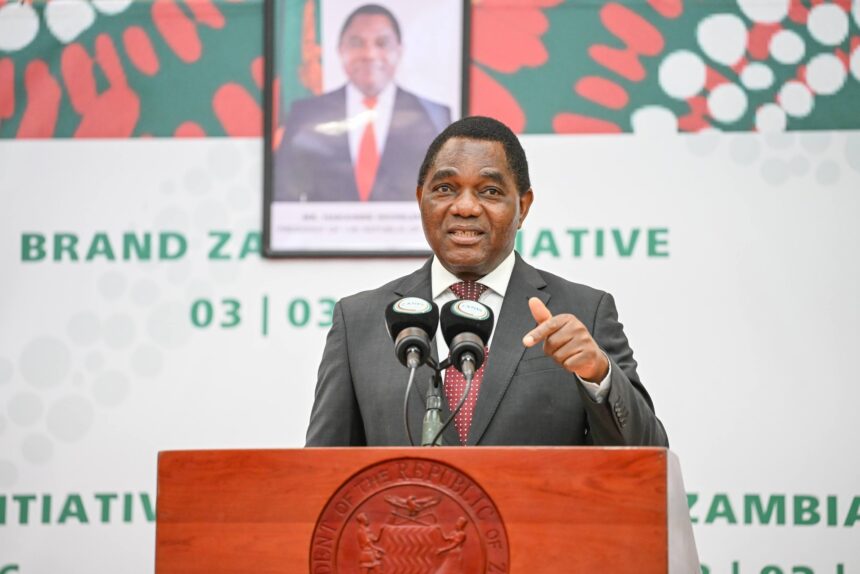
President Hakainde Hichilema has outlined an ambitious vision to transform Zambia’s livestock sector into a major contributor to economic growth, job creation and foreign exchange earnings. A central target is to increase the national cattle population to 11 million and grow beef exports to generate US$1 billion annually. The policy priorities, highlighted in the President’s recent address to Parliament, place livestock development at the centre of Zambia’s broader economic transformation agenda. They focus on improving animal health, expanding production, strengthening veterinary services and opening access to international markets. If successfully implemented, these measures could create new opportunities for farmers, agribusinesses, livestock traders and rural communities across the country.
Increasing Zambia’s cattle population to 11 million is a key part of the government’s livestock development vision. A larger national herd could provide a stronger foundation for beef production, support domestic demand and create opportunities for export growth. However, achieving this target will require more than simply increasing the number of animals. Farmers need access to reliable water supplies, adequate grazing land, quality breeding stock, veterinary care and appropriate animal nutrition. Sustainable herd growth will also depend on effective management practices that protect livestock from disease, drought and other risks that can reduce productivity.
The target of generating US$1 billion annually from beef exports represents a significant ambition for Zambia’s agricultural and livestock industries. Beef exports can bring foreign currency into the country, support businesses across the meat value chain and create employment in rural and urban areas. Reaching this level of export earnings would require sufficient cattle production, reliable processing facilities, consistent meat quality and dependable transport and cold-chain systems. Zambia would also need to meet the sanitary and food safety requirements of its intended international markets. The US$1 billion figure is a policy target, not a confirmed level of current export earnings, and achieving it will depend on investment, production growth and access to competitive markets.
Disease-free livestock compartments are another important element of the President’s plan. These are defined geographical areas or production systems where animal health risks are controlled through surveillance, movement management, vaccination where appropriate and other veterinary measures. Properly managed compartments can help demonstrate that livestock and meat products meet the health requirements of importing countries. This can improve market access and reduce the risk of disease-related trade restrictions affecting the wider livestock industry. Establishing such compartments requires effective veterinary oversight, accurate animal identification and traceability, regular testing and cooperation among farmers, government agencies and other stakeholders.
Strengthening vaccination and animal disease-control programmes will be essential to protecting Zambia’s cattle population and supporting export ambitions. Livestock diseases can reduce productivity, cause animal deaths and force farmers to spend more on treatment and disease prevention. Some diseases can also restrict the movement of animals and limit access to lucrative international markets. Regular vaccination campaigns, early detection, effective reporting and timely veterinary intervention can reduce these risks when programmes target the diseases relevant to each area. Farmers will also need clear guidance on vaccination schedules, animal movement rules and practical biosecurity measures to protect their herds.
The proposed construction and rehabilitation of veterinary laboratories could improve the quality and reach of livestock health services in Zambia. Laboratories help veterinary authorities identify animal diseases, confirm suspected outbreaks and monitor the health status of livestock populations. Reliable diagnostic services allow officials to respond more quickly to emerging threats and make informed decisions about disease control. Modern facilities can also support surveillance systems that provide evidence of compliance with international animal health standards. To deliver lasting benefits, laboratory investment must be accompanied by trained personnel, dependable equipment, adequate operating budgets and efficient systems for collecting and analysing samples.
The development of Zambia’s livestock sector will also depend on improving the productivity and profitability of smallholder farmers. Many livestock producers face challenges linked to feed availability, animal health costs, limited financing and access to reliable markets. Better veterinary services and stronger market connections could help farmers reduce losses and obtain more consistent returns from their animals. Access to breeding programmes, agricultural information and suitable livestock infrastructure could also improve productivity over time. Supporting small-scale producers is important because the benefits of livestock development will be broader when rural households can participate in commercial production and supply chains.
President Hichilema’s vision extends beyond cattle and beef exports to include dairy, poultry and small livestock enterprises. These activities can diversify agricultural income and give farmers opportunities to serve different markets. Dairy farming can supply milk for household consumption and commercial processing, while poultry production can support demand for eggs and meat. Goats, sheep, pigs and other small livestock can provide additional sources of income, depending on local production conditions and market demand. Expanding these enterprises could strengthen household livelihoods, create business opportunities for young people and women and reduce dependence on a single agricultural activity.
A stronger livestock industry could also stimulate investment in meat processing, animal feed production, transport, refrigeration, packaging and distribution. Beef exports require a coordinated value chain that can move animals from farms to approved processing facilities and deliver products to buyers under controlled conditions. Abattoirs and meat-processing businesses must maintain appropriate hygiene standards, while transport operators need suitable systems to preserve product quality. Financial institutions and investors can support this process by providing capital for equipment, storage facilities and other productive assets. The scale of the economic benefits will depend on whether these investments improve efficiency, meet market requirements and create sustainable commercial opportunities.
Access to international markets will be a decisive factor in achieving the US$1 billion beef export target. Potential buyers assess factors such as animal health, food safety, product quality, traceability and the reliability of supply. Zambia will therefore need to demonstrate that its livestock and meat production systems meet the relevant requirements of each destination market. Exporters must also understand buyer preferences, pricing conditions and competition from other beef-producing countries. A clear export strategy, supported by consistent quality standards and strong veterinary controls, could help Zambian producers build lasting relationships with international customers.
Climate resilience will remain important as Zambia seeks to expand livestock production. Drought, changing rainfall patterns and shortages of grazing and water can weaken cattle, reduce reproduction rates and increase livestock mortality. Growing the national herd without considering available resources could place additional pressure on pasture and water supplies. Sustainable development will therefore require improved pasture management, reliable water infrastructure, suitable feed reserves and responsible stocking practices. These measures can help farmers protect their animals during difficult seasons while maintaining production over the long term.
Government coordination and accountability will also influence the success of the livestock development agenda. Increasing cattle numbers, improving animal health and expanding exports require cooperation among veterinary services, agricultural agencies, local authorities, private investors and farming communities. Clear implementation plans can help establish responsibilities, funding priorities and measurable performance targets. Monitoring indicators such as animal disease incidence, livestock productivity, processing capacity and verified export earnings would help assess progress. Transparent reporting would also allow farmers and businesses to understand how policy commitments translate into practical support and improved market opportunities.
President Hakainde Hichilema’s livestock development vision sets out an ambitious path for making the sector a stronger contributor to Zambia’s economy. The proposed increase in the cattle population to 11 million and the target of US$1 billion in annual beef exports place production growth and international competitiveness at the centre of the agenda. Disease-free livestock compartments, stronger vaccination programmes and improved veterinary laboratories could help protect animal health and strengthen access to export markets. Support for dairy, poultry and small livestock enterprises could extend the benefits to more farmers and rural businesses. Ultimately, success will depend on effective implementation, sustainable livestock management, investment in infrastructure and reliable access to buyers, turning the country’s livestock potential into lasting income, employment and economic growth.