


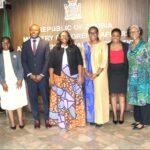





The Zambian Government has announced the restoration of mandatory public service training and certification as part of a broader reform agenda aimed at strengthening professionalism, accountability and service delivery across the public sector. The announcement was made during the Stakeholder Engagement and Communication Breakfast held in Lusaka, where Secretary to the Cabinet Patrick Kangwa was represented by Deputy Secretary to the Cabinet for Administration, Dr. Oliver Kalabo. The initiative marks a significant step in the government’s ongoing efforts to modernize the public service and ensure that civil servants are equipped with the knowledge, skills and ethical standards needed to meet the expectations of citizens. By reinstating compulsory training, the government hopes to rebuild a culture of excellence and continuous professional development within public institutions. The reforms also reflect a commitment to creating a more responsive and efficient public service capable of supporting Zambia’s long-term national development goals.
Speaking during the event, Dr. Kalabo explained that the decision to restore mandatory public service training was driven by the need to address weaknesses that had gradually emerged within the country’s public service training system. Over the years, the decline of structured training programmes contributed to reduced professional standards and slower service delivery in some government institutions. Without consistent training and certification, many public servants have had fewer opportunities to update their skills and adapt to changing administrative demands. The government believes that rebuilding the training system will help improve the competence of public officials while ensuring they remain accountable to the people they serve. This renewed focus on professional development is expected to strengthen public institutions and improve the overall quality of government services.
As part of the reform programme, the government has introduced three important policy instruments that will guide the transformation of the public service. These include the Zambia Public Service Change Management Framework, the Public Service Competence Development and Certification Strategy, and the Zambia Public Service Delivery Curriculum and Toolkit. Together, these frameworks provide a structured approach to developing the skills, knowledge and professional standards required across government institutions. They are designed to promote consistency in training while ensuring that public servants are equipped to perform their responsibilities effectively and ethically. The introduction of these policy instruments demonstrates the government’s intention to institutionalize professional development rather than treating it as a one-time initiative.
The Zambia Public Service Change Management Framework is expected to support government institutions as they adapt to new ways of working in an increasingly dynamic public sector environment. Change management plays an essential role in helping organizations respond effectively to new technologies, evolving public expectations and administrative reforms. By providing clear guidance on managing institutional change, the framework aims to reduce resistance, improve organizational performance and strengthen leadership throughout the public service. Effective change management also helps employees understand new policies and procedures while encouraging innovation and continuous improvement. This approach is intended to create public institutions that are more flexible, efficient and capable of delivering better outcomes for citizens.
The Public Service Competence Development and Certification Strategy places strong emphasis on building the capabilities of public servants through continuous learning and formal certification. Certification provides a measurable standard that confirms an individual’s knowledge, skills and ability to perform their duties effectively. Continuous competence development ensures that employees remain up to date with evolving policies, legislation and best practices in public administration. The strategy also supports merit-based performance by encouraging public servants to pursue ongoing professional growth throughout their careers. By investing in the development of its workforce, the government aims to create a highly skilled public service that delivers consistent and reliable services to the nation.
Equally important is the Zambia Public Service Delivery Curriculum and Toolkit, which will serve as a practical resource for training institutions and government agencies. The curriculum is expected to standardize learning programmes while promoting values such as integrity, accountability, transparency and professionalism. It will provide public servants with practical guidance on delivering citizen-focused services while maintaining high ethical standards in their daily responsibilities. The toolkit will also support trainers by offering structured materials that can be applied consistently across different institutions. This standardized approach is expected to improve service quality while ensuring that training remains relevant to the evolving needs of government and the public.
During the engagement, Dr. Kalabo emphasized that achieving meaningful public service transformation requires collaboration among all stakeholders. He called upon government institutions, the National Institute of Public Administration (NIPA) and cooperating partners to work together in implementing the reforms successfully. Strong partnerships will help ensure that training programmes are effectively designed, adequately resourced and consistently delivered across the country. Collaboration will also encourage the sharing of expertise, innovation and best practices that can strengthen institutional capacity. By working collectively, stakeholders can support the development of a public service that is better prepared to respond to national priorities and the needs of citizens.
The Deputy Secretary to the Cabinet further stressed that transforming public service delivery is not the responsibility of government alone but requires the commitment of every institution involved in public administration. He noted that building a professional, competent, ethical and responsive public service is essential for restoring public confidence in state institutions. Citizens expect efficient services, transparent decision-making and accountability from those entrusted with public responsibilities. By strengthening professionalism and reinforcing ethical conduct, the reforms seek to improve relationships between government institutions and the communities they serve. Increased public confidence can also contribute to stronger governance and greater trust in national institutions.
The revival of mandatory public service training represents a major milestone in Zambia’s broader programme of public sector reform. Through structured training, certification and the introduction of comprehensive policy frameworks, the government aims to strengthen efficiency, accountability and service delivery across all public institutions. The success of these reforms will depend on sustained commitment, effective implementation and strong collaboration between government, training institutions and development partners. If fully implemented, the initiative has the potential to build a more capable, ethical and performance-driven public service that better serves the needs of the Zambian people. Ultimately, the restoration of mandatory public service training reflects the government’s determination to improve governance, enhance institutional performance and deliver higher-quality public services that contribute to national development and restore public confidence in state institutions.