





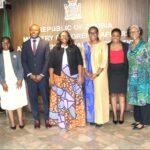


Zambia has joined the global community in commemorating World Patient Safety Day 2026, reaffirming the country’s commitment to protecting patients and improving the quality of healthcare. This year’s observance is guided by the theme “Safe Care for Non-communicable Diseases,” which highlights the importance of ensuring that people living with chronic conditions receive safe, high-quality and people-centred care. The occasion provides an opportunity to raise awareness about the importance of preventing avoidable harm within healthcare settings. It also encourages patients, healthcare professionals and communities to work together to strengthen safety across the health system. Through the commemoration, Zambia is reinforcing the need to make patient safety an important part of everyday healthcare delivery.
Minister of Health Prof. Roma Chilengi has reaffirmed Zambia’s national commitment to ensuring safe, high-quality and people-centred healthcare for all citizens. The focus on non-communicable diseases is particularly important because many patients require long-term treatment, regular monitoring and continued interaction with healthcare providers. Conditions such as diabetes, cancer, cardiovascular diseases and chronic respiratory illnesses often require patients to follow treatment plans over extended periods. This makes accurate diagnosis, appropriate treatment, clear communication and regular follow-up important elements of safe healthcare. Ensuring that these services are delivered safely can help reduce preventable harm and improve the overall experience and outcomes of patients.
The theme for World Patient Safety Day 2026 draws attention to the need for safer care throughout the treatment journey of people living with non-communicable diseases. Patients may interact with different healthcare professionals and facilities while receiving treatment, making effective communication and coordination essential. Healthcare workers need accurate information about a patient’s condition, medical history and treatment to make appropriate decisions. Patients also need clear explanations about their conditions, medicines, treatment plans and follow-up care so they can participate meaningfully in decisions about their health. Strengthening these areas can help reduce errors, misunderstandings and other preventable risks within the healthcare system.
Patient safety is a shared responsibility that involves healthcare professionals, patients, families and communities. Healthcare workers have an important responsibility to follow appropriate procedures, communicate effectively and provide care that meets established standards. Patients can contribute by providing accurate information about their health, asking questions when they do not understand something and following agreed treatment plans. Families and communities can also support patients by helping them access healthcare services and understand important information about their conditions. When everyone involved in healthcare takes an active role in promoting safety, it becomes possible to build a stronger culture of accountability and continuous improvement.
The focus on non-communicable diseases also highlights the importance of strengthening healthcare services as Zambia continues to address the changing health needs of its population. Chronic conditions can place significant demands on patients, families, healthcare workers and health facilities. Managing these conditions effectively requires reliable healthcare services, trained personnel, appropriate medicines and equipment as well as systems that support continuity of care. Patient safety must remain part of these efforts because the quality of treatment depends not only on access to healthcare but also on how safely that care is provided. Continued attention to safety can therefore support broader efforts to improve health outcomes and strengthen confidence in healthcare services.
Safe care for non-communicable diseases requires attention to several stages of healthcare delivery. Accurate diagnosis is essential because patients need treatment that responds to their specific health needs. Medication safety is also important, particularly for patients who require long-term treatment or take several medicines at the same time. Healthcare providers must communicate treatment instructions clearly while patients should feel comfortable asking questions about medicines, procedures and possible concerns. Regular monitoring and follow-up are equally important because they allow healthcare professionals to identify changes in a patient’s condition and respond when additional care is required.
The commemoration of World Patient Safety Day also provides an opportunity for healthcare institutions to examine their practices and identify areas where improvements can be made. Building a culture of safety requires healthcare workers and institutions to identify risks, learn from incidents and take practical steps to prevent similar problems in the future. It also requires open communication between patients and healthcare providers so that concerns can be raised and addressed appropriately. Creating an environment where patients feel respected and heard can strengthen their involvement in their own care. These efforts can contribute to a health system that places safety at the centre of service delivery.
For Zambia, the 2026 observance serves as a reminder that patient safety must remain a continuous priority rather than an issue addressed only during an annual commemoration. The Government’s message places emphasis on cooperation between patients, healthcare professionals and communities in reducing preventable harm. This shared approach recognises that safer healthcare depends on both strong health systems and active participation from the people who use those systems. Improving communication, strengthening healthcare practices and encouraging patients to participate in decisions about their care can all contribute to better outcomes. Continued collaboration will be important as Zambia works to provide healthcare that responds effectively to the needs of its population.
As Zambia joins countries around the world in commemorating World Patient Safety Day 2026, the theme “Safe Care for Non-communicable Diseases” brings attention to an important area of healthcare delivery. Prof. Roma Chilengi’s reaffirmation of the national commitment to safe, high-quality and people-centred healthcare reflects the importance of protecting patients throughout their healthcare journey. The occasion also reminds citizens that patient safety depends on cooperation between healthcare professionals, patients and communities. By strengthening communication, improving healthcare practices and promoting shared responsibility, Zambia can continue working towards reducing preventable harm within the health system. World Patient Safety Day 2026 therefore provides an important platform for reinforcing the goal of safe and effective healthcare for every citizen.