



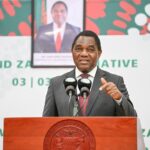




Vice President W.K. Mutale Nalumango has taken her Oath of Office in the Chambers of Parliament as Zambia’s 2026–2031 Parliament officially gets underway. The occasion marks an important moment in the country’s political and democratic journey as newly elected lawmakers begin their responsibilities in Parliament. For Nalumango, the swearing-in represents more than a formal constitutional requirement because it also renews her commitment to serving the people of Zambia. Her message following the ceremony emphasised humility, responsibility, integrity and dedication to national service. As the new parliamentary term begins, the focus now turns to how leaders will work together to address the priorities and expectations of Zambians.
Nalumango described taking the oath as a moment of deep humility and profound responsibility, acknowledging the trust that the people of Zambia have placed in their leaders. The oath carries a significant obligation because public office requires leaders to act in the interests of the country and its citizens. Her remarks highlighted the importance of approaching the new parliamentary term with discipline and dedication. She also recognised that Parliament occupies a central position in Zambia’s democratic system. As lawmakers begin their work, the expectations placed on them will include representing their constituents, participating in national decision-making and supporting policies aimed at improving the lives of citizens.
The Vice President stressed that the oath taken by Members of Parliament represents a solemn commitment to serve the people with integrity. Integrity remains an important principle in public leadership because citizens expect elected representatives to exercise their responsibilities honestly and in accordance with the law. Discipline and dedication are equally important as Parliament begins a new five-year term with numerous national priorities requiring attention. Nalumango’s message placed these values at the centre of the responsibilities facing lawmakers. Her call for principled leadership also reflects the broader need for public institutions to maintain public confidence through responsible governance.
Nalumango also called on all Members of Parliament to put Zambia first, regardless of their political affiliation. Her appeal for cooperation reflects the need for lawmakers from different political parties and backgrounds to work together on issues affecting the country. Political differences are an important part of democratic debate, but national development also requires areas of common ground and constructive engagement. Parliament provides a formal platform where different views can be debated, examined and considered before decisions are made. By encouraging lawmakers to prioritise the national interest, Nalumango has highlighted the importance of collaboration in addressing issues that affect Zambians across political and regional lines.
The start of the 2026–2031 Parliament also brings renewed attention to democracy, accountability and good governance. These principles are essential to the effective functioning of public institutions because they help establish clear responsibilities for elected leaders and promote transparency in government. Members of Parliament have an important role in representing citizens while also participating in legislative and oversight processes. Their work can influence policies that affect areas such as economic development, public services, employment, education and infrastructure. Upholding democratic principles throughout the parliamentary term will therefore be important as Zambia works to respond to the needs of its growing population.
Nalumango made it clear that Zambians expect results from their leaders. Citizens ultimately judge public institutions not only by speeches and commitments but also by the tangible improvements they experience in their communities. The Vice President therefore called for a strong focus on delivering development, creating opportunities and improving the lives of every Zambian. These priorities cover a wide range of national challenges and require cooperation between Parliament, the Executive, local authorities and other institutions. Turning these commitments into measurable outcomes will require sustained effort, effective planning and accountability throughout the new parliamentary term.
Development remains a central concern as Zambia seeks to improve living conditions and expand opportunities for its citizens. Parliament will have an important role in considering legislation, national priorities and public spending decisions that can influence development outcomes. Lawmakers will also need to remain connected to the communities they represent so that national policies reflect the concerns and aspirations of ordinary citizens. Creating opportunities can involve supporting economic activity, encouraging investment, strengthening skills development and expanding access to services. The new parliamentary term therefore presents an opportunity for leaders to focus on policies that produce practical benefits for households and communities.
The emphasis on improving the lives of every Zambian also highlights the importance of inclusive governance. National development needs to reach people in different communities and circumstances rather than benefiting only particular groups or areas. Parliamentarians have a responsibility to understand the concerns of their constituents and ensure that these concerns form part of national discussions. Cooperation between political leaders can help Parliament address issues that require broad national support. A people-centred approach to governance can also strengthen confidence in democratic institutions by demonstrating that elected representatives remain focused on the needs of the citizens who placed their trust in them.
As the 2026–2031 Parliament begins, the oath taken by Nalumango and other leaders marks the formal start of another chapter in Zambia’s democratic journey. The ceremony carries both constitutional significance and a clear reminder of the responsibilities attached to public office. Nalumango’s message places service, unity, accountability and national development at the centre of the new parliamentary term. Her call for Members of Parliament to put Zambia first provides a framework for cooperation despite political differences. The coming years will ultimately test how effectively these commitments translate into legislation, policies, development initiatives and improved outcomes for citizens.
Nalumango concluded her message by asking for God’s guidance as leaders undertake their national responsibilities. Her words reflect the seriousness with which she views the beginning of the new parliamentary term and the obligations that come with public office. With the 2026–2031 Parliament now officially underway, lawmakers have an opportunity to build on Zambia’s democratic institutions while responding to the practical challenges facing citizens. The success of this new chapter will depend on the ability of leaders to work responsibly, maintain accountability and remain focused on national priorities. For Zambia, the oath-taking ceremony is therefore not simply a formal beginning, but a renewed commitment to democratic service and to delivering meaningful progress for the people.