


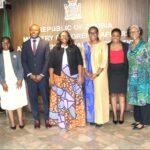





The Ministry of Health Zambia, through the Zambia National Public Health Institute (ZNPHI) and the Antimicrobial Resistance Coordinating Committee (AMRCC), is taking steps to strengthen public awareness about antimicrobial resistance through a four-day meeting focused on developing Information, Education and Communication materials. The initiative brings together stakeholders from several sectors to identify priority messages and create communication tools that can effectively reach different audiences across the country. The materials will support the 2026 World AMR Awareness Week campaign as well as other antimicrobial resistance awareness and advocacy activities. The initiative comes as Zambia continues to address the growing challenges associated with inappropriate and excessive use of antibiotics. By improving public understanding of AMR, health authorities hope to encourage responsible medicine use and support stronger prevention efforts.
The four-day meeting provides an opportunity for stakeholders to examine how antimicrobial resistance messages can be communicated in ways that are clear, practical and relevant to different groups. Participants are working to identify priority AMR messages and determine the most suitable formats and communication approaches for each target audience. The resulting IEC materials will be produced and distributed through various platforms to increase awareness nationwide. This approach recognises that a single communication strategy may not effectively address the needs of communities, healthcare workers, learners, farmers and other groups. Developing targeted materials can therefore help ensure that important information about antibiotic use and antimicrobial resistance reaches people in a form they can understand and apply.
Opening the meeting, ZNPHI Director General Professor Roma Chilengi highlighted the complexity of antimicrobial resistance under the One Health approach. This approach recognises that human health, animal health and environmental health are closely connected and that antimicrobial resistance can move across these different areas. Antibiotic use in people and animals, environmental contamination and other factors can contribute to the development and spread of resistant microorganisms. Addressing AMR therefore requires cooperation between institutions and professionals working across multiple sectors. The participation of stakeholders from health, livestock, environmental, education and communication sectors reflects the need for a coordinated national response.
Professor Chilengi also drew attention to the widespread use of antibiotics before patients reach hospitals, particularly in an environment where medicines can sometimes be obtained without appropriate professional guidance. He noted that many Zambian patients may already have taken antibiotics before seeking hospital care, making public education an important part of efforts to address antimicrobial resistance. Over-the-counter access to medicines can create additional challenges when people use antibiotics for conditions that do not require them or fail to complete prescribed courses. Effective awareness campaigns need to communicate these risks without creating confusion about when antibiotics are appropriate. Clear and practical messages can help members of the public understand why responsible antibiotic use matters to both individual health and the wider community.
The ZNPHI Director General urged participants to develop creative and impactful IEC materials that respond to the needs of different target audiences. Communicating antimicrobial resistance can be difficult because the subject involves scientific concepts that may not be immediately understandable to the general public. Materials therefore need to translate complex information into messages that are simple, accurate and relevant to everyday situations. Different audiences may also require different approaches, with healthcare professionals, farmers, learners and members of the public facing different challenges related to antimicrobial use. The emphasis on creativity and audience-specific communication is intended to increase the effectiveness of the 2026 World AMR Awareness Week campaign and other awareness initiatives.
Education was another important area highlighted during the meeting, with Professor Chilengi stressing the value of integrating antimicrobial resistance and One Health education into the formal education system. Introducing learners and students to these concepts can help build knowledge at an early stage and encourage responsible attitudes towards antibiotics and other antimicrobial medicines. Schools and universities can provide an important platform for developing long-term awareness because they reach large numbers of young people who can also share information with their families and communities. Building AMR knowledge into education could therefore contribute to behavioural change beyond individual classrooms. It also offers an opportunity to develop a generation that understands the connection between human, animal and environmental health.
The involvement of multiple sectors in the meeting demonstrates the importance of collaboration in tackling antimicrobial resistance in Zambia. Health authorities cannot address AMR alone because antimicrobial use and resistance patterns are influenced by activities in livestock production, agriculture, environmental management, education and communities. Communication specialists also play an important role in ensuring that scientific information is transformed into messages that people can understand and use. Bringing these groups together allows stakeholders to consider the different ways AMR affects society and develop communication materials that reflect those realities. A coordinated approach can also help ensure that AMR messages remain consistent across different government institutions and awareness platforms.
The IEC materials developed through the meeting are expected to become important tools for the 2026 World AMR Awareness Week campaign and future AMR advocacy activities in Zambia. Their effectiveness will depend not only on the quality of the messages but also on how widely and consistently they are distributed. Using different platforms can help reach people in urban and rural communities as well as professional and educational settings. Repeated exposure to accurate information can help reinforce responsible behaviours around antibiotic use and encourage people to seek appropriate medical advice. The initiative therefore represents an important step towards making antimicrobial resistance a more visible public health issue.
Antimicrobial resistance remains a complex challenge because the actions of individuals, healthcare providers, farmers, institutions and communities can all influence its development and spread. Zambia’s focus on One Health education and coordinated communication reflects the need to address the problem from multiple angles rather than relying on healthcare interventions alone. The four-day meeting provides stakeholders with an opportunity to develop practical communication tools that can support public understanding and responsible antimicrobial use. By involving sectors such as health, livestock, environment and education, the country is strengthening the collaborative foundation needed to respond to AMR. The success of these efforts will ultimately depend on how effectively the messages reach communities and translate into informed behaviour.
The Ministry of Health Zambia, ZNPHI and AMRCC’s focus on developing targeted IEC materials highlights the growing importance of public education in the fight against antimicrobial resistance. The 2026 World AMR Awareness Week campaign provides an important platform for expanding awareness and encouraging responsible use of antibiotics and other antimicrobial medicines. Professor Roma Chilengi’s call for creative communication and stronger integration of AMR and One Health education into schools and universities also points to the importance of long-term solutions. Continued cooperation among the health, livestock, environmental, education and communication sectors will be essential as Zambia works to reduce the risks associated with AMR. Through sustained awareness, coordinated action and practical education, the country can strengthen its efforts to protect the effectiveness of antimicrobial medicines for current and future generations.