


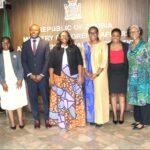





Zambia has strengthened its efforts to attract South African investment after using a high-level regional trade engagement in Johannesburg to showcase opportunities across its economy. The Johannesburg Chamber of Commerce and Industry (JCCI) hosted the engagement, titled “Trading with Neighbouring Countries and Zambia”, at FNB Fairlands in Johannesburg in August 2026. The event brought together business leaders and representatives from the South African business community to discuss trade, investment and economic developments across Southern Africa. Zambia featured prominently during the discussions as participants examined opportunities for stronger commercial links between the two neighbouring countries. The engagement provided Zambia with an important platform to present its economic position directly to potential investors and encourage South African companies to consider expansion into the Zambian market.
The Zambia High Commission in Pretoria played an important role in presenting the country’s investment proposition at the event. First Secretary for Trade and Economics Mwami Mainga represented the High Commission and delivered one of the headline presentations during the engagement. His presentation focused on investment opportunities available across different sectors of the Zambian economy. He encouraged South African businesses to examine Zambia’s potential as a destination for investment and regional expansion. The presentation also highlighted the value of strengthening commercial relationships between businesses in Zambia and South Africa as both countries seek to increase economic cooperation within the region.
Zambia’s participation comes as businesses across Southern Africa continue to explore opportunities beyond their domestic markets. South Africa has a large and established private sector with companies operating across industries that are also important to Zambia’s economy. Greater engagement between businesses in the two countries could create opportunities for investment, partnerships, supply chains and market expansion. For South African companies, Zambia can provide access to a growing market and opportunities linked to the country’s strategic position within the wider Southern African region. For Zambia, attracting more South African capital and expertise could support economic diversification, job creation and the expansion of productive industries.
During the meeting, Mr. Mainga outlined investment opportunities in various sectors of the Zambian economy and encouraged South African businesses to look beyond traditional trade relationships. Investment can play an important role in supporting Zambia’s development by increasing productive capacity and strengthening industries that contribute to long-term economic growth. The engagement also allowed business representatives to gain a better understanding of the opportunities available in Zambia and the broader economic environment in which investors would operate. Direct discussions between government representatives and business leaders can help address questions that potential investors may have before entering a new market. Such engagements can therefore contribute to building confidence and creating stronger foundations for future commercial partnerships.
Economic developments in Zambia were another major focus of the discussions, particularly the country’s recent debt restructuring. Participants considered what the restructuring means for Zambia’s economic outlook and how it could influence investor confidence. Debt management remains an important issue for investors because the stability of public finances can influence economic conditions, government spending and the broader business environment. Zambia’s progress in addressing its debt challenges is therefore closely linked to perceptions of its ability to attract investment and support sustainable economic growth. By discussing these issues openly with South African business leaders, the engagement created an opportunity for Zambia to explain its economic position and address broader questions about the country’s investment environment.
The discussions around debt restructuring also highlighted the importance of economic stability in attracting capital into productive sectors. Investors typically consider a range of factors when assessing opportunities in a foreign market, including economic conditions, policy direction, infrastructure, market access and the potential for long-term returns. Zambia’s efforts to strengthen its economic position can influence how international and regional investors assess these factors. Clear communication between government representatives and the private sector can help businesses better understand economic reforms and potential opportunities. The Johannesburg engagement therefore served not only as a trade discussion but also as a platform for strengthening investor awareness of Zambia’s changing economic environment.
JCCI President Caren Sutherns was among the participants at the engagement, which brought together representatives of the South African business community. The involvement of the Johannesburg Chamber of Commerce and Industry reflects the importance of business-led platforms in strengthening regional trade. Chambers of commerce can connect companies with potential partners while creating spaces where businesses can discuss market opportunities and challenges directly. Such platforms are particularly valuable in Southern Africa, where neighbouring countries have significant potential for greater intra-regional trade and investment. Bringing businesses together through structured engagements can help identify practical opportunities that may not emerge through formal diplomatic discussions alone.
The meeting also placed wider regional trade at the centre of the conversation. Participants discussed trading with neighbouring countries and the importance of stronger links between businesses operating across Southern Africa. Improved business relationships can support the movement of goods, services, investment and expertise between countries while contributing to regional economic integration. Zambia’s participation was particularly significant because the country has established commercial relationships with South Africa and remains an important market within the Southern African region. Continued dialogue between business communities can help identify barriers to trade and develop approaches that make cross-border commercial activity more accessible.
For South African businesses, opportunities in Zambia could support regional expansion strategies at a time when companies are increasingly looking at markets across the continent. Entering a neighbouring market can allow businesses to diversify their revenue sources while building stronger regional supply chains. Zambia’s sectors and investment opportunities may be of interest to companies with expertise, capital and established operations that can be adapted to new markets. However, successful expansion requires a clear understanding of local regulations, market conditions, infrastructure and consumer demand. Engagements such as the JCCI meeting give businesses an opportunity to begin those conversations and obtain information directly from relevant stakeholders.
For Zambia, continued engagement with South African businesses can help translate investment opportunities into concrete projects. Presenting opportunities is an important first step, but sustained dialogue, investor support and effective facilitation are also necessary to encourage companies to commit capital. The Zambia High Commission can play a role in maintaining these relationships by connecting prospective investors with relevant institutions and business stakeholders. Stronger commercial ties can also support the exchange of technology, skills and expertise between the two countries. Over time, these relationships could contribute to increased trade volumes, new investments and deeper private-sector cooperation.
The Johannesburg Chamber of Commerce and Industry engagement therefore provided Zambia with an important opportunity to strengthen its economic diplomacy in South Africa. The presentation by First Secretary for Trade and Economics Mwami Mainga placed Zambia’s investment opportunities and economic developments directly before an audience of business leaders. Discussions surrounding debt restructuring also allowed participants to consider the country’s economic outlook, investor confidence and prospects for attracting capital into productive sectors. The emphasis on neighbouring countries reinforced the importance of regional trade and stronger business networks across Southern Africa. As Zambia and South Africa continue to deepen their economic relationship, engagements of this nature can help turn dialogue into new investment, trade and cooperation opportunities that support businesses and broader regional economic growth.