

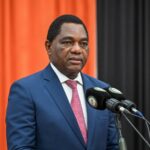




Zambia has reaffirmed its commitment to strengthening conflict prevention and peaceful dispute resolution across Africa during the 26th Extraordinary Session of the Executive Council of the African Union held in Luanda, Republic of Angola. The session focused on strengthening mechanisms for preventing and resolving conflicts on the continent at a time when African countries continue to confront complex peace and security challenges. Representing Zambia, H.E. Rev. Dr. Elias Munshya, Ambassador Extraordinary and Plenipotentiary of the Republic of Zambia to the Republic of Angola, delivered the country’s statement on behalf of President Hakainde Hichilema and the Government of the Republic of Zambia. Zambia used the high-level meeting to emphasise the importance of addressing conflicts before they escalate into prolonged instability and humanitarian crises. The country also called for stronger investment in African-led peace and security mechanisms as part of efforts to build a more peaceful and stable continent.
In his statement, Dr. Munshya stressed that conflict prevention should remain at the centre of Africa’s peace and security agenda. He argued that preventing conflict before it begins is more effective, more humane and less costly than attempting to rebuild communities and nations after violence and instability have taken hold. Early intervention can help address tensions before they develop into situations that require costly peacekeeping operations or lengthy reconstruction programmes. Zambia’s position reflects the importance of identifying political, social and economic risks early and responding through dialogue and other peaceful mechanisms. By prioritising prevention, African institutions and member states can strengthen their ability to protect communities while reducing the human and financial costs associated with prolonged conflict.
Zambia also welcomed the growing role of the African Union Peace Fund in supporting peace and security interventions across the continent. Dr. Munshya noted that approximately 31 million United States dollars had been disbursed through the fund towards peace and security interventions in Africa. The Peace Fund represents an important mechanism for strengthening Africa’s ability to finance its own peace and security priorities. Zambia called for continued investment in early warning systems, early response mechanisms, preventive diplomacy, mediation, peacebuilding and peace support operations. These areas are critical because effective conflict management requires more than responding after violence has already erupted, as institutions must also have the resources and capacity to identify risks and intervene at an early stage.
Dr. Munshya further welcomed the implementation of the African Union Peace Fund Mobilisation Strategy for 2025 to 2026. The strategy forms part of broader efforts to strengthen the financial foundations of Africa’s peace and security architecture and increase African ownership of continental priorities. Zambia’s support for these efforts highlights the importance of ensuring that African institutions have reliable resources to respond to conflicts and emerging security threats. Greater financial ownership can also strengthen the ability of African countries to determine their own priorities and develop responses that reflect the realities of communities across the continent. The progress associated with the Peace Fund was therefore presented as an important step towards strengthening the continent’s capacity to manage its own peace and security challenges.
The Zambian delegation also emphasised that international and regional partnerships continue to have an important role in supporting peace and security efforts in Africa. However, Dr. Munshya made it clear that these partnerships should complement rather than replace the responsibility carried by African Member States. African countries have a central responsibility to protect peace and security within their regions and to contribute to collective solutions through established continental and international frameworks. External support can provide valuable financial, technical and operational assistance, but sustainable peace requires strong African leadership and ownership. Zambia’s position therefore supports a balanced approach in which international cooperation strengthens African initiatives while preserving the responsibility of African states to address challenges affecting their continent.
The emphasis on preventive diplomacy is particularly significant because diplomatic engagement can provide countries with opportunities to resolve disputes before they become violent. Preventive diplomacy can involve dialogue between governments, mediation by trusted institutions and other diplomatic efforts aimed at reducing tensions. Early warning mechanisms can also help identify potential sources of instability, allowing governments and regional organisations to respond before crises become more difficult to manage. Zambia’s support for these mechanisms demonstrates its belief in peaceful engagement as a practical tool for addressing disputes. Strengthening these systems across Africa could help reduce the frequency and intensity of conflicts while supporting long-term regional stability.
Zambia also reiterated its commitment to multilateralism and the peaceful resolution of disputes under the framework of the African Union and the United Nations Charter. Multilateralism allows African states to address shared challenges collectively rather than relying only on individual national responses. The African Union provides an important platform for member states to coordinate their approaches to peace, security and conflict prevention across different regions of the continent. At the same time, the United Nations Charter provides an international framework for principles including the peaceful settlement of disputes and collective security. Zambia’s reaffirmation of these commitments signals continued support for diplomatic engagement, international cooperation and rules-based approaches to resolving conflicts.
The participation of Zambia in the 26th Extraordinary Session of the African Union Executive Council also highlights the country’s engagement in continental discussions on peace and security. As conflicts evolve and become increasingly complex, African states face the need to strengthen institutions capable of responding to political instability, humanitarian emergencies and other threats to peace. The discussions in Luanda provided an opportunity for member states to exchange views on how existing mechanisms can be improved and how resources can be mobilised more effectively. Zambia’s contribution placed particular emphasis on prevention, African ownership and stronger investment in mechanisms that can address emerging crises. These priorities are relevant to the broader objective of building durable peace rather than relying primarily on responses after conflicts have already escalated.
The message delivered by Dr. Munshya on behalf of President Hakainde Hichilema and the Zambian Government therefore reflects a clear position on the need for Africa to strengthen its own peace and security capacity. Zambia supports greater investment in early warning, preventive diplomacy, mediation, peacebuilding and peace support operations while recognising the value of partnerships with international and regional actors. The country also supports continued development of the African Union Peace Fund as a mechanism for financing continental peace and security priorities. These efforts can contribute to stronger African ownership and provide institutions with greater capacity to respond to emerging threats. The emphasis on prevention also places human lives and community stability at the centre of Africa’s approach to managing conflict.
Zambia’s participation in the Luanda session ultimately reinforced its support for a peaceful, cooperative and secure Africa. The country’s call for conflict prevention, stronger African ownership and continued investment in peace and security mechanisms reflects the growing need for sustainable solutions to instability across the continent. Dr. Munshya’s statement highlighted the importance of acting early, using diplomacy and mediation, and strengthening the financial capacity of African institutions to respond to crises. Zambia also made clear that international partnerships remain important, but they should strengthen rather than substitute African responsibility for the continent’s peace and security. Through its continued commitment to multilateralism, preventive diplomacy, peaceful dispute resolution and collective security, Zambia is positioning itself as a consistent supporter of African-led efforts to prevent conflict and promote lasting peace.