







What was once ordinary farmland in Kasama District of Zambia’s Northern Province is now turning into a major center of agricultural and economic activity. Kalungwishi Estate, operating under Kasama Sugar, has transformed large areas of land into a productive macadamia farming operation. The estate has planted more than 200 hectares of macadamia trees, marking a significant shift in land use and commercial farming in the region. This development positions Zambia to compete more strongly in the global macadamia market. It also reflects a broader push to expand high-value agricultural exports beyond traditional crops.
Macadamia is a tree nut known for its rich, buttery taste and smooth texture. It is widely consumed as a premium snack in international markets and is also used as an ingredient in confectionery and food processing. The nut carries high value because of its nutritional content and versatile use. It is also processed into oil that is used in cooking and skincare products. This wide range of applications increases demand and strengthens its export potential for producing countries like Zambia.
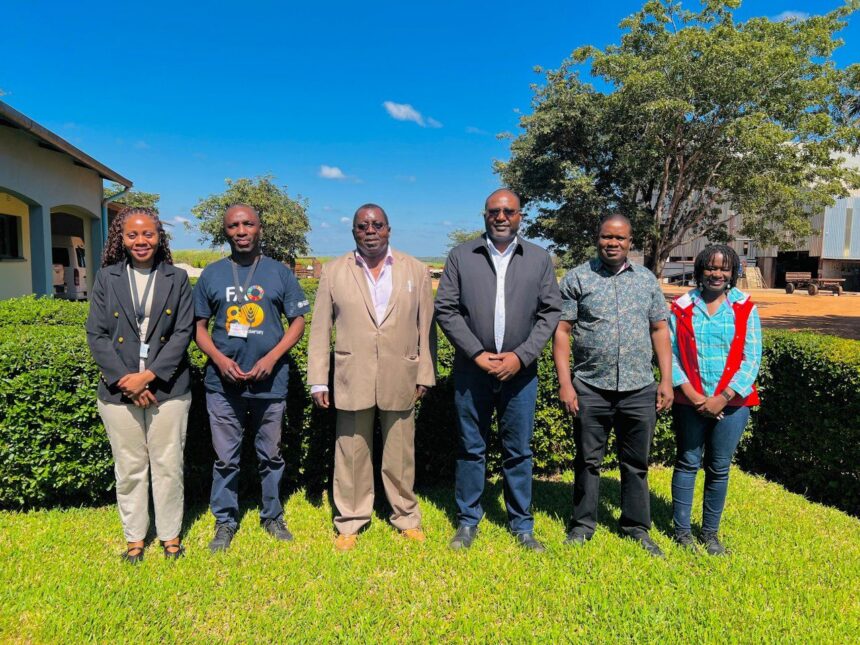
During a recent tour of the estate, Ministry of Commerce, Trade and Industry Permanent Secretary for Investment and Industrialisation Crusivia Hichikumba reaffirmed government support for investments that drive jobs and economic growth. He highlighted the importance of agricultural projects that move beyond subsistence farming into commercial production. He praised Kalungwishi Estate for investing in macadamia production and described it as a strong example of agricultural industrialisation. He also noted that such investments support Zambia’s goal of diversifying exports and strengthening rural economies. The visit underscored government interest in scaling up similar ventures across the country.
Kalungwishi Estate, operating as Kasama Sugar, now exports about 95 percent of its macadamia production to Europe and South Africa. General Manager Derrick Siyanga said the crop earns around 100 US dollars for every 25-kilogram bag on the international market. This pricing makes macadamia one of the most valuable agricultural exports in the region. The project has also created significant employment, with about 2,000 local people working since its establishment. These jobs have supported households and improved economic activity in surrounding communities.
Inside the estate’s processing plant, harvested macadamia nuts go through cleaning, processing, and packaging before export. This stage adds value to the raw product and improves its competitiveness in international markets. The focus on local processing aligns with Zambia’s strategy to increase value addition in agriculture before export. It also reduces reliance on exporting raw commodities with limited returns. The facility demonstrates how industrial agriculture can link farming, processing, and trade in one integrated system.
The development of macadamia farming in Kasama highlights the growing potential of non-traditional crops in transforming rural economies. It shows how targeted investment can turn unused or underutilised land into productive commercial assets. The project also demonstrates the impact of combining private investment with supportive government policy. With strong export demand and rising global interest in macadamia products, the sector holds long-term growth potential for Zambia. Continued expansion in this area could strengthen foreign exchange earnings and create more stable employment opportunities for local communities.