







The Zambian Government has reaffirmed its commitment to building a more professional, competent and accountable public service through the restoration of mandatory public service training and certification. The move reflects a broader effort to improve the quality of government services by ensuring that public officers possess the knowledge, skills and ethical standards required to perform their duties effectively. Government leaders believe that continuous professional development is essential for creating a civil service that can respond efficiently to the needs of citizens while supporting national development goals. The renewed focus on structured training also aims to establish consistent standards across all government institutions. By making training and certification mandatory once again, Zambia is taking an important step toward strengthening institutional capacity and enhancing public confidence in government services.
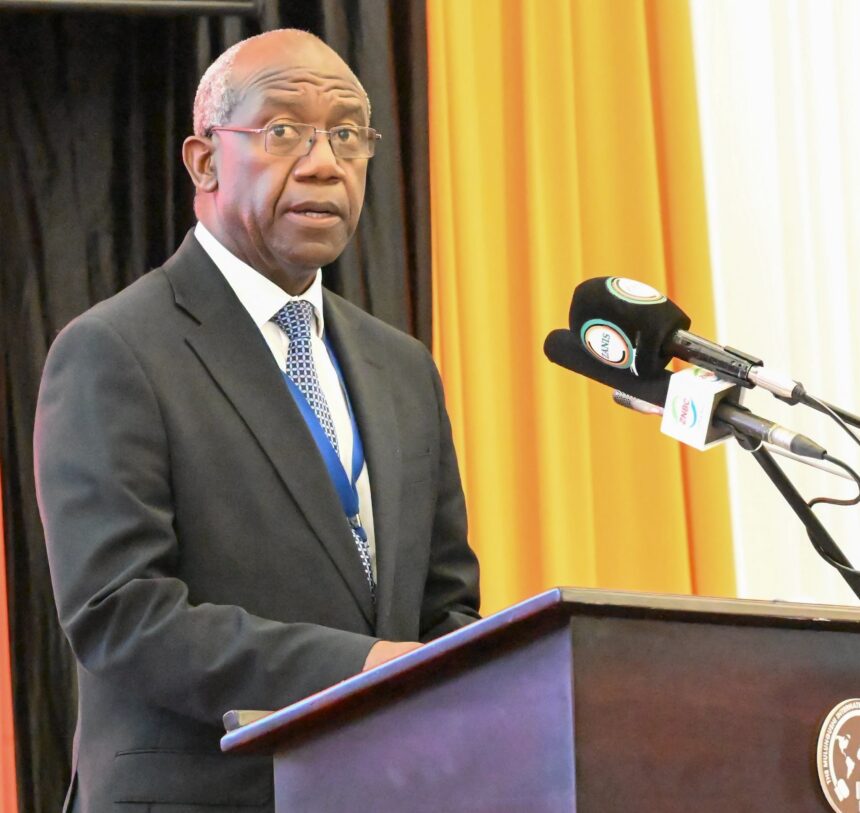
Speaking at the National Institute of Public Administration (NIPA) Stakeholders’ Engagement and Communication Breakfast in Lusaka, Deputy Secretary to the Cabinet Dr. Oliver Kalabo, who represented Secretary to the Cabinet Patrick Kangwa, emphasized the importance of restoring the programme. He explained that the earlier suspension of mandatory public service training weakened the civil service and had a negative impact on service delivery across government institutions. According to Dr. Kalabo, professional training equips public officers with the practical skills and leadership abilities needed to perform their responsibilities efficiently. He noted that government institutions function best when employees receive consistent opportunities to develop their competencies throughout their careers. The restoration of the programme is therefore expected to help rebuild the professionalism and effectiveness of Zambia’s public administration.
Dr. Kalabo revealed that more than 2,000 public officers have already been inducted under the programme, demonstrating the Government’s commitment to strengthening leadership across the civil service. Those who have undergone the induction include former ministers, permanent secretaries and accounting officers, highlighting the importance of professional development at every level of government. These induction programmes are designed to familiarize public officials with governance principles, public administration standards and their responsibilities in delivering quality services to citizens. Investing in leadership development ensures that senior officials are better prepared to manage public resources responsibly and provide strategic direction within their institutions. The growing number of trained officers also signals that the Government is serious about embedding a culture of continuous learning throughout the public sector.
The restoration of mandatory training is expected to produce benefits that extend well beyond individual professional development. A well-trained civil service is generally better equipped to implement government policies, manage public resources efficiently and respond effectively to emerging national challenges. Public officers who receive structured training are also more likely to understand regulatory requirements, ethical standards and modern management practices. This contributes to greater consistency in decision-making and improves coordination between government departments. Ultimately, stronger institutional capacity supports better service delivery for citizens while promoting greater accountability within public institutions.
Civil Service Commission Chairperson Dr. Choolwe Beyani also used the occasion to highlight the need for recruitment and promotion processes that prioritize competence rather than relying solely on academic qualifications. He argued that while educational credentials remain important, they should not be the only factor considered when assessing candidates for employment or career advancement. Competence includes practical skills, leadership ability, professional conduct and demonstrated performance in the workplace. Dr. Beyani observed that the current system lacks clear and defensible criteria for recruitment and promotion, creating challenges in ensuring fairness and transparency. His remarks underline the importance of developing a merit-based civil service that rewards capability alongside formal education.
According to Dr. Beyani, proper training and certification provide objective evidence of a public officer’s readiness to assume greater responsibilities. Without structured competency assessments, recruitment and promotion decisions become more difficult to justify and may reduce confidence in the fairness of public service appointments. Certification offers a standardized way of measuring professional knowledge and workplace performance while ensuring that employees meet nationally recognized standards. It also creates equal opportunities for public officers to demonstrate their abilities through continuous learning and professional growth. A competency-based system therefore strengthens both institutional credibility and employee motivation.
Public Service Management Division Permanent Secretary Lois Mulube highlighted another important milestone through the introduction of the new Public Service Competence Development Strategy. She explained that the strategy is designed to improve employee performance while enhancing service delivery across all government ministries, departments and agencies. The framework provides guidance on developing the skills and competencies required for a modern, efficient and citizen-focused public service. It also supports long-term workforce planning by identifying the capabilities needed to meet future governance challenges. The strategy forms part of the Government’s broader reform agenda aimed at improving efficiency, accountability and professionalism throughout the public sector.
Ms. Mulube further revealed that following the launch of the strategy, her division issued Circular No. B4 of 2026 to guide its implementation. The circular provides practical direction to government institutions on how to apply the new competency framework and integrate it into existing human resource management systems. Clear implementation guidelines are essential for ensuring consistency across ministries and avoiding differences in how training and certification programmes are administered. They also help institutions align recruitment, performance management and career development with the objectives of the new strategy. Through these measures, the Government hopes to establish a unified approach to professional development across the entire civil service.
The restoration of mandatory public service training and certification marks an important step in Zambia’s efforts to build a stronger and more effective public administration. By investing in competency development, promoting merit-based recruitment and introducing structured certification, the Government is creating a foundation for improved governance and better service delivery. The induction of more than 2,000 public officers demonstrates that meaningful progress is already being made toward strengthening leadership within the civil service. Combined with the new Public Service Competence Development Strategy and its implementation guidelines, these reforms have the potential to transform how government institutions operate. As Zambia continues to modernize its public service, sustained investment in professional training and competence will remain essential for delivering efficient, accountable and high-quality services to citizens.