






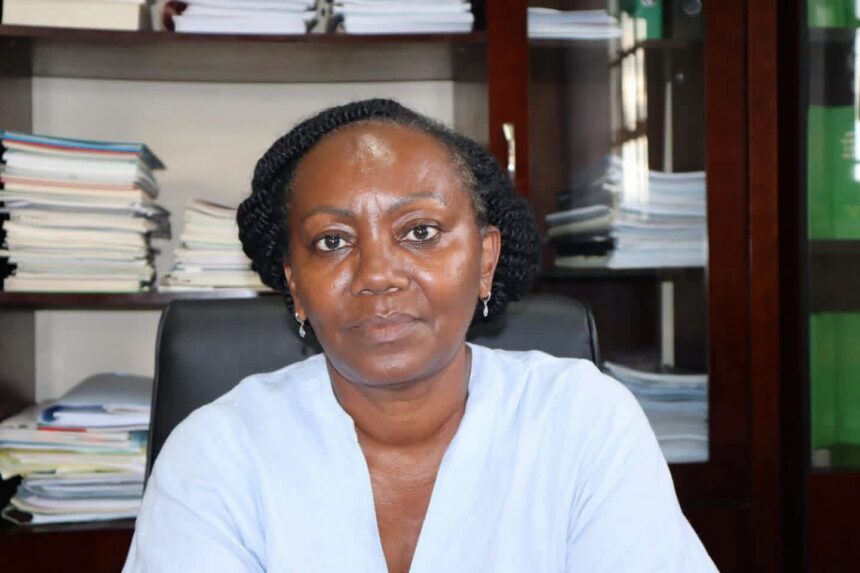
The Zambian Government has released K1.4 billion through the Ministry of Community Development and Social Services to support the May to June 2026 Social Cash Transfer (SCT) payment cycle, reaffirming its commitment to protecting vulnerable households across the country. The funding will provide much-needed financial assistance to more than 1.5 million poor and vulnerable households, helping families meet essential daily needs during challenging economic conditions. The announcement was made by Permanent Secretary Ms. Angela Kawandami in a statement issued by the Ministry’s Principal Public Relations Officer, Glenda Nachinga. The latest payment reflects the Government’s continued investment in one of Zambia’s most important social protection programmes. It also highlights ongoing efforts to modernize the system through digital payment solutions that improve service delivery and accountability.
The K1.4 billion released for the latest payment cycle brings the total amount disbursed under the Social Cash Transfer Programme since January 2026 to K4.3 billion. This figure represents more than half of the K8.5 billion allocated to the programme under the 2026 National Budget and Supplementary Budget. The consistent release of funding demonstrates the Government’s intention to ensure that eligible households continue receiving financial assistance without major interruptions. Social protection programmes play a significant role in reducing poverty by providing direct support to families that often have limited or no stable sources of income. Regular payments allow beneficiaries to better plan household expenses and reduce financial uncertainty.
Payments officially began on 29 June 2026, allowing beneficiaries across Zambia to begin accessing their allocated funds. More than 1.5 million households are expected to benefit during this payment cycle, making the Social Cash Transfer Programme one of the country’s largest poverty reduction initiatives. The financial assistance supports households headed by older persons, people living with disabilities, caregivers of vulnerable children and other qualifying families facing economic hardship. Many beneficiaries rely on these payments to purchase food, medicine, school supplies and other basic necessities. The programme therefore continues to provide a vital financial safety net for communities across both rural and urban areas.
One of the major achievements highlighted by Permanent Secretary Angela Kawandami is the continued digitisation of Social Cash Transfer payments. According to the Ministry, approximately 92 percent of beneficiary households now receive their transfers electronically through mobile money services or bank accounts. This marks significant progress in the Government’s efforts to modernize public service delivery and improve access to financial services. Electronic payments reduce the need for beneficiaries to travel long distances to collect cash while minimizing administrative challenges associated with manual payment systems. The shift also contributes to greater financial inclusion by encouraging more citizens to use formal financial services.
Ms. Kawandami encouraged all beneficiaries to check their mobile money accounts or bank wallets through their respective payment service providers to confirm receipt of their transfers. This approach allows recipients to access their funds more quickly while reducing waiting times that were often associated with traditional cash distribution methods. Digital payment systems also improve convenience for beneficiaries living in remote areas by reducing transportation costs and the time required to receive assistance. Faster payment processing means vulnerable households can respond more quickly to immediate financial needs. The convenience of electronic transfers has become an important feature of Zambia’s evolving social protection system.
The Ministry emphasized that digitisation has strengthened efficiency, transparency and accountability throughout the Social Cash Transfer Programme. Electronic payment systems create clear transaction records that help reduce errors and improve financial oversight. They also make it easier for Government institutions to monitor payments and ensure funds reach the intended beneficiaries. Improved accountability helps build public confidence in the programme while supporting responsible management of public resources. These improvements reflect broader efforts to strengthen governance and increase the effectiveness of social welfare programmes throughout Zambia.
Beyond providing immediate financial assistance, the Social Cash Transfer Programme continues to deliver wider economic and social benefits. The K1.4 billion injected into communities every two months stimulates economic activity by increasing household spending on locally available goods and services. Small businesses, market vendors and local service providers often benefit when recipients spend their transfers within their communities. This circulation of money supports local economies while helping maintain demand for essential products. The programme therefore contributes not only to household welfare but also to broader community development.
Food security remains one of the primary objectives of the Social Cash Transfer Programme. Many beneficiary households use the funds to purchase staple foods, improve nutrition and reduce the risk of hunger. Families are also able to cover healthcare expenses, pay school-related costs and invest in small income-generating activities that strengthen long-term financial stability. By helping households meet these essential needs, the programme reduces the negative effects of poverty while creating opportunities for greater self-reliance. Continued investment in social protection supports both immediate relief and longer-term resilience among vulnerable populations.
Permanent Secretary Angela Kawandami reaffirmed the Government’s commitment to strengthening Zambia’s social protection programmes and ensuring that vulnerable citizens continue receiving meaningful support. She described the Social Cash Transfer Programme as a key intervention that helps poor households meet basic needs, improve food security, build sustainable livelihoods and contribute to local economic growth. The release of K1.4 billion for the May to June 2026 payment cycle demonstrates the Government’s ongoing focus on protecting vulnerable communities while improving programme efficiency through digital innovation. As Zambia continues expanding electronic payment systems and maintaining regular funding for the Social Cash Transfer Programme, millions of households stand to benefit from faster, safer and more transparent financial assistance. The programme remains an important pillar of the country’s efforts to reduce poverty, strengthen communities and promote inclusive national development.