


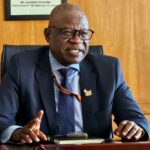





Zambia has reaffirmed its commitment to promoting sustainable urbanisation as a key driver of inclusive economic growth, resilient communities and improved living standards. The commitment was highlighted by the Ministry of Local Government and Rural Development’s Permanent Secretary for Administration, Dr. Gabriel Pollen, during the High-Level Meeting of the United Nations General Assembly on the Midterm Review of the New Urban Agenda. The meeting, held from 16 to 17 July 2026, brought together global leaders, policymakers and development partners to assess progress made since the adoption of the New Urban Agenda and identify priorities for accelerating implementation. Zambia’s participation demonstrated the country’s continued dedication to building sustainable, inclusive and resilient urban communities. It also reflected the government’s recognition that effective urban development is essential for achieving long-term national prosperity.
While delivering Zambia’s national statement, Dr. Pollen outlined the country’s achievements in implementing the principles of the New Urban Agenda. He noted that Zambia has successfully integrated these principles into the Eighth National Development Plan, ensuring that sustainable urban development remains a national priority. The plan also mainstreams Sustainable Development Goal 11, which focuses on making cities and human settlements inclusive, safe, resilient and sustainable. By embedding these international commitments into national planning frameworks, Zambia has created a stronger foundation for coordinated urban development. This approach enables government institutions to align policies, investments and development strategies with internationally recognized sustainability goals.
Dr. Pollen emphasized that sustainable urbanisation extends beyond expanding cities, as it involves creating environments where people have access to quality housing, reliable infrastructure, efficient public services and economic opportunities. Well-planned urban areas contribute significantly to national development by supporting business growth, attracting investment and improving the overall quality of life for citizens. As Zambia’s urban population continues to grow, strategic planning becomes increasingly important to ensure that cities remain functional, safe and environmentally sustainable. Effective urban development also helps reduce inequalities by improving access to education, healthcare, transportation and other essential services. These priorities remain central to Zambia’s long-term development agenda.
Despite the progress made, Dr. Pollen acknowledged that Zambia continues to face several significant challenges in implementing the New Urban Agenda. One of the primary concerns is the rapid pace of urbanisation, which continues to outstrip the expansion of infrastructure and public service delivery. Growing urban populations place increasing pressure on housing, roads, water supply, sanitation and other essential services. Without adequate planning and investment, cities risk becoming overcrowded and less capable of meeting the needs of their residents. Addressing these challenges requires coordinated action across multiple sectors and sustained investment in urban development.
Climate change was also identified as one of the major threats facing Zambia’s urban areas. Increasing temperatures, flooding and other climate-related events are making cities more vulnerable while placing additional strain on infrastructure and public resources. Dr. Pollen noted that climate resilience must become an integral part of urban planning to ensure that communities can withstand future environmental challenges. Incorporating sustainable construction methods, improved drainage systems, green infrastructure and environmentally responsible land use planning will help reduce climate-related risks. These measures are essential for protecting both lives and economic development in rapidly growing urban centers.
In addition to environmental challenges, Zambia continues to face financial and institutional constraints that affect the implementation of sustainable urban development initiatives. Limited financing restricts the ability of local authorities to invest in critical infrastructure and public services. Institutional capacity gaps also make it more difficult to plan, coordinate and manage increasingly complex urban environments. Furthermore, limited access to reliable urban data slows evidence-based decision-making and makes it harder to monitor development progress. Strengthening these areas will be essential for accelerating implementation of the New Urban Agenda across the country.
To address these challenges, Dr. Pollen reaffirmed Zambia’s commitment to accelerating implementation through several strategic priorities. These include strengthening integrated spatial planning to guide orderly urban expansion, promoting climate-resilient urban development and increasing access to affordable housing for citizens. He also emphasized the importance of improving municipal finance systems so that local governments have greater capacity to deliver quality services. Strengthening local institutions and enhancing financial sustainability will enable municipalities to respond more effectively to growing urban demands. These initiatives form part of Zambia’s broader vision of creating cities that are inclusive, productive and environmentally sustainable.
Dr. Pollen further stressed that achieving the ambitions of the New Urban Agenda cannot be accomplished by governments working alone. He called for stronger international partnerships that provide predictable financing, technology transfer and capacity-building support for developing countries. Investment in urban data collection, digital innovation and research was also highlighted as critical for improving planning and policy implementation. Additionally, he emphasized the importance of empowering local and regional governments with the resources and decision-making authority needed to manage urban growth effectively. Such partnerships strengthen collective efforts to build resilient cities that can meet future social, economic and environmental challenges.
The High-Level Meeting was officially opened by President of the United Nations General Assembly Ms. Annalena Baerbock, who highlighted the scale of the global housing challenge by noting that approximately three billion people still lack access to safe and adequate housing. Deputy Secretary-General Ms. Amina Mohammed and UN-Habitat Executive Director Anacláudia Rossbach reinforced the importance of delivering sustainable urbanisation at the local level through adequate financial resources and stronger local governance. They also acknowledged that while progress has been made globally, the benefits of urban development remain unevenly distributed. Their remarks underscored the urgent need for greater investment in inclusive urban policies that prioritize vulnerable communities. The discussions reflected a shared global commitment to ensuring that urban growth benefits everyone.
One of the major outcomes of the meeting was the adoption of the United Nations Political Declaration, which renews international commitment to accelerating implementation of the New Urban Agenda. The declaration addresses several pressing global priorities, including the housing crisis, narrowing the urban transformation gap and strengthening local governments through greater decision-making authority and financial resources. It also emphasizes integrating climate resilience with social inclusion to better protect vulnerable populations living in rapidly growing cities. These commitments provide renewed momentum for countries such as Zambia as they continue implementing sustainable urban development strategies. The declaration serves as a roadmap for stronger global cooperation in addressing the complex challenges associated with urbanisation.
Dr. Pollen was accompanied at the meeting by the Director of Physical Planning, Mr. Patson Phiri, along with other senior government officials representing Zambia. Their participation demonstrated the country’s active engagement in international discussions on sustainable development and urban transformation. By contributing to global dialogue while sharing national experiences, Zambia continues to position itself as a committed partner in advancing sustainable urbanisation. The government’s continued focus on planning, resilience, housing and institutional strengthening reflects its determination to build cities that support economic growth while improving the quality of life for all citizens. As implementation of the New Urban Agenda moves forward, Zambia’s renewed commitment signals its readiness to work with international partners, local governments and communities to create inclusive, resilient and sustainable urban environments for future generations.