







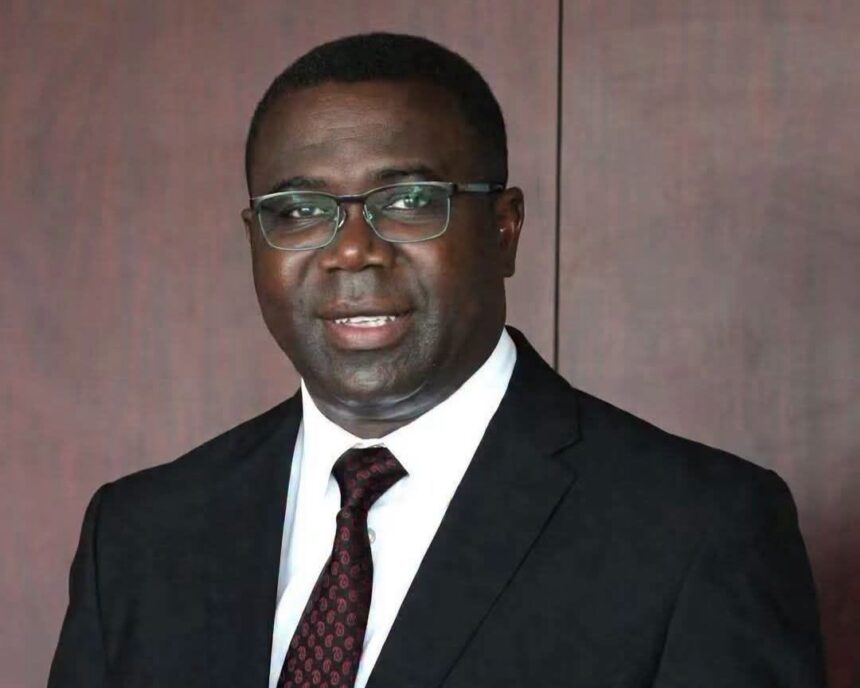
Health Minister Professor Roma Chilengi says the National Health Insurance Management Authority (NHIMA) is financially unsustainable in its current form and requires urgent restructuring to protect the future of Zambia’s national health insurance system. Professor Chilengi says NHIMA cannot continue providing healthcare services that it does not have sufficient resources to pay for. The financial pressure has reportedly contributed to some private health facilities withdrawing their services because of unpaid claims. The situation has raised concerns about NHIMA’s ability to meet its obligations to beneficiaries and healthcare providers while maintaining access to essential medical services. Government is now examining ways to strengthen NHIMA’s finances and ensure that the benefits offered by the scheme remain affordable and sustainable.
Professor Chilengi says the challenges facing NHIMA are linked to several factors, including low contribution levels, high utilisation of healthcare services and an overly ambitious benefits package. A health insurance scheme needs sufficient revenue to cover the cost of services used by its members, and a gap between contributions and expenditure can create significant financial pressure. When utilisation rates increase without a corresponding increase in revenue, the scheme can struggle to settle claims on time. This can affect healthcare providers that depend on timely payments to continue offering services to insured patients. Addressing the imbalance between revenue and expenditure is therefore expected to be a key part of any NHIMA restructuring process.
The Health Minister says Government is exploring options to improve NHIMA financing while making sure that the services covered by the scheme can be financed over the long term. One possibility is for Government to increase its financial contribution to NHIMA, although Professor Chilengi says it is too early to confirm the exact measures that will eventually be adopted. Any increase in public funding would need to be considered alongside other government priorities and the resources available to the state. The objective would be to strengthen the scheme without creating an unsustainable financial burden. Government’s final approach is expected to depend on further assessment of NHIMA’s financial position and the healthcare needs of its beneficiaries.
The issue of unpaid claims has become particularly important because healthcare providers play a central role in delivering services under the national health insurance system. Professor Chilengi says some private health facilities have withdrawn their services because of outstanding payments. When providers stop accepting NHIMA patients, beneficiaries may face difficulties accessing healthcare through facilities that previously participated in the scheme. This can also place additional pressure on other health facilities that continue providing services to insured patients. Resolving outstanding claims and establishing a more reliable payment system will therefore be important for maintaining confidence among healthcare providers and NHIMA members.
Professor Chilengi has also called for a review of the NHIMA benefits package. The benefits package determines the healthcare services that members can access through the insurance scheme, but each service carries a cost that must ultimately be financed through contributions or other sources of funding. If the package includes services that exceed the scheme’s available resources, NHIMA can face growing financial deficits. Reviewing the package could help Government and NHIMA align covered services with the revenue available to pay for them. The challenge will be to make changes that improve financial sustainability while protecting access to important healthcare services for beneficiaries.
Improving revenue collection is another area that Government intends to examine as part of efforts to strengthen NHIMA. Professor Chilengi says revenue collection needs to match the services being provided by the scheme. Consistent and adequate contributions are essential to the operation of any insurance programme because they provide the funds needed to settle claims and maintain services. Weak revenue collection can leave an insurance fund exposed when healthcare utilisation rises. Strengthening contribution collection could therefore form an important part of the broader reforms required to make NHIMA financially sustainable.
The Health Minister says Government must also consider the balance between the healthcare services people expect and the resources available to finance those services. Beneficiaries naturally expect their national health insurance contributions to provide meaningful access to medical care when they need it. However, expanding access to more services without ensuring adequate financing can place pressure on the insurance fund. Professor Chilengi says both Government and the public need to recognise that healthcare comes at a cost and that available resources must be used prudently. This means future decisions about NHIMA will need to consider both the expectations of beneficiaries and the financial capacity of the scheme.
Government also plans to study experiences from other countries as it considers possible reforms to NHIMA. Professor Chilengi identified Ghana, Rwanda and Kenya as countries whose national health insurance systems have developed mechanisms that could provide useful lessons for Zambia. Each country has its own healthcare system, population needs and financing structure, so approaches used elsewhere would not necessarily be adopted in exactly the same form in Zambia. However, examining how other countries manage health insurance financing, contributions, benefits and claims could help policymakers identify approaches that may be suitable for the Zambian context. Such comparisons could contribute to the development of reforms aimed at improving NHIMA’s financial stability and service delivery.
The concerns surrounding NHIMA are significant because the scheme serves as an important part of Zambia’s efforts to improve access to healthcare through national health insurance. A financially stable insurance system can provide beneficiaries with greater certainty when they seek medical treatment and can give healthcare providers greater confidence that legitimate claims will be paid. Financial instability, on the other hand, can affect both patients and providers if claims remain unpaid or participating facilities withdraw from the system. Strengthening NHIMA therefore involves more than addressing its finances alone. It also requires maintaining trust among beneficiaries, healthcare providers and the institutions responsible for managing the scheme.
Professor Chilengi has made clear that Government does not intend to allow NHIMA to collapse despite the challenges it currently faces. Instead, Government plans to take measures aimed at reviving the scheme and improving its ability to meet its obligations. The precise reforms have not yet been confirmed, particularly regarding the possibility of increased government funding. However, the areas identified by the Health Minister include financing, revenue collection, benefits design and the relationship between healthcare utilisation and available resources. These areas will be central to efforts to create a national health insurance system that can continue operating effectively over the long term.
The future of NHIMA will ultimately depend on whether Zambia can establish a sustainable balance between contributions, healthcare utilisation, benefits and available public resources. The Health Minister’s comments indicate that Government recognises the urgency of the situation and is considering restructuring rather than allowing existing financial pressures to worsen. Improving revenue collection, reviewing the benefits package and strengthening financing could help address some of the underlying challenges facing the scheme. At the same time, reforms will need to protect access to essential healthcare while ensuring that NHIMA does not promise services it cannot afford to finance. A sustainable NHIMA would provide greater security for beneficiaries, more reliable payments for healthcare providers and a stronger foundation for Zambia’s national health insurance system.