






The Government of Zambia has officially launched the Transforming Landscapes for Resilience and Development II (TRALARD II) Traditional Leadership Engagement and Onboarding Meeting, marking an important milestone in the country’s efforts to strengthen climate action and sustainable natural resource management. The initiative introduces a new approach that places traditional leaders at the centre of conservation planning, implementation and decision-making from the outset. By recognizing the influence and leadership of chiefs within their communities, the government aims to create stronger partnerships that promote environmental protection while improving livelihoods. The launch reflects Zambia’s growing commitment to addressing climate change through inclusive and community-driven solutions. It also demonstrates the government’s belief that sustainable development can only be achieved when local communities play a leading role in protecting the country’s natural resources.
Speaking during the official opening of the meeting, Deputy Permanent Secretary Brian Sichande emphasized that those who protect Zambia’s forests should no longer remain on the sidelines of conservation programmes. Instead, he said they must become the principal planners, decision-makers and beneficiaries of conservation financing. He stressed that government policies and financial resources alone are not enough to guarantee successful environmental programmes without the support and legitimacy provided by traditional leadership. According to Sichande, chiefdoms serve as the foundation upon which conservation initiatives gain public trust and community participation. His remarks highlighted the government’s determination to strengthen collaboration with traditional leaders in tackling climate and environmental challenges.
Mr. Sichande also acknowledged the leadership of President Hakainde Hichilema, whose development agenda recognizes that Zambia’s long-term economic transformation depends on the sustainable management of natural resources. The government believes that economic growth and environmental conservation should complement each other rather than compete. Protecting forests, wetlands and biodiversity is increasingly seen as essential for ensuring food security, reducing the effects of climate change and creating sustainable economic opportunities. Under this vision, conservation is not simply about preserving ecosystems but also about generating income and improving the quality of life for local communities. This integrated approach aims to ensure that environmental protection becomes a driver of inclusive national development.
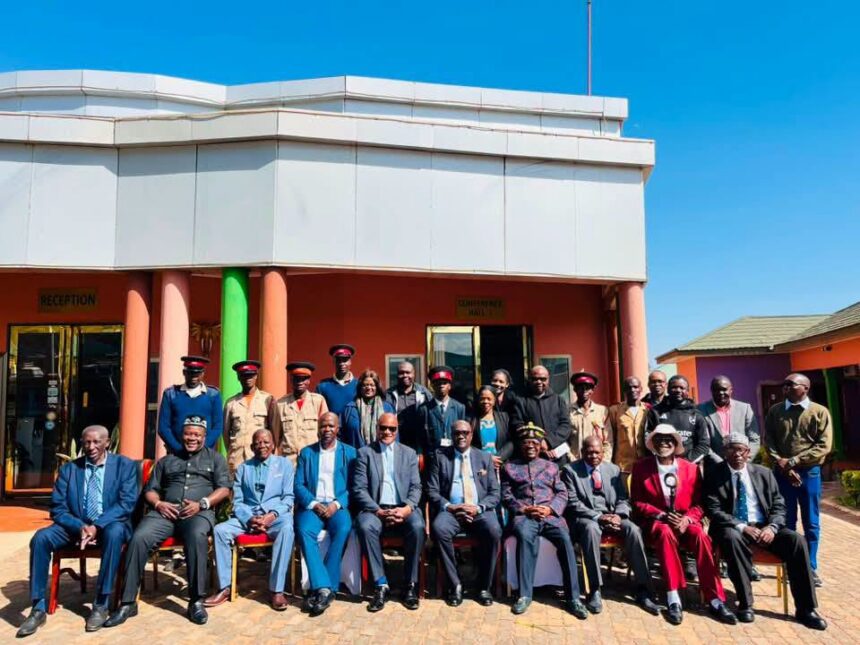
The meeting brought together Their Royal Highnesses from different parts of the country, providing an opportunity for traditional leaders to exchange knowledge and practical experiences. Special recognition was given to Chief Chikomeni, who travelled from Eastern Province to share lessons learned from the Eastern Province Jurisdiction Sustainable Landscape Project. His experiences offered valuable insights into how community-led conservation initiatives can successfully balance environmental protection with local economic development. Such exchanges are expected to strengthen collaboration among chiefdoms while helping other regions adopt successful conservation models. The participation of traditional leaders from across Zambia also reinforced the importance of shared responsibility in addressing climate change.
One of the key developments announced during the meeting was the selection of Muchinga Province as Zambia’s second jurisdiction for the Emissions Reduction Programme. This represents a major step in expanding climate action initiatives beyond pilot areas and into additional regions with significant forest resources. Mr. Sichande expressed appreciation to the Ministry of Green Economy and Environment for extending support to all districts within Muchinga Province. The expansion demonstrates the government’s confidence in the province’s potential to contribute to national climate goals while supporting local economic development. It also creates new opportunities for communities to participate in conservation programmes that generate both environmental and financial benefits.
The Emissions Reduction Programme has been designed to deliver far more than carbon credits. While reducing greenhouse gas emissions remains an important objective, the programme also focuses on protecting forests, restoring degraded landscapes and improving livelihoods through climate-smart agriculture. Sustainable forest management practices will help preserve biodiversity while ensuring that natural resources continue to support future generations. A significant feature of the programme is its commitment to performance-based climate finance, allowing financial benefits generated through conservation efforts to flow directly back to participating communities. This approach creates strong incentives for local people to actively protect forests while benefiting from their conservation efforts.
During his address, Mr. Sichande encouraged traditional leaders to become ambassadors and champions of the programme within their respective chiefdoms. He urged them to mobilize their communities in support of sustainable environmental practices and ensure that conservation initiatives receive widespread local participation. He expressed confidence that future generations would remember this period as a time when government and traditional leadership worked together to build prosperity through environmental stewardship. By placing communities at the centre of climate action, the government hopes to create lasting partnerships that produce measurable improvements in both conservation and rural development. His message reflected the importance of shared leadership in achieving Zambia’s environmental objectives.
In his closing remarks, Chief Kabinga of the Bisa-speaking people in Kanchibiya welcomed the introduction of TRALARD II in Muchinga Province and praised the Ministry of Green Economy and Environment for bringing the programme to the region. He described the initiative as an important opportunity to strengthen forest and wetlands conservation while creating sustainable sources of income for local communities. However, he also emphasized the need for transparency from implementing officers, noting that openness and accountability would be essential to maintaining public trust throughout the programme. Chief Kabinga expressed optimism that the Carbon Emissions Reduction Programme would enable people across different chiefdoms to improve their livelihoods through sustainable agriculture and responsible forest conservation. His remarks highlighted the importance of effective implementation alongside strong community participation.
The launch of the TRALARD II Traditional Leadership Engagement and Onboarding Meeting signals a new chapter in Zambia’s approach to climate action and environmental conservation. By placing chiefs at the centre of planning, implementation and decision-making, the government is strengthening partnerships that recognize the vital role of traditional leadership in protecting natural resources. The expansion of the Emissions Reduction Programme into Muchinga Province and the emphasis on climate-smart agriculture, sustainable forest management and community-based climate finance demonstrate a commitment to balancing environmental protection with economic opportunity. As government, traditional leaders and local communities work together, Zambia is positioning itself to build a future where conservation supports both ecological sustainability and improved livelihoods. This collaborative approach has the potential to deliver lasting benefits for the country’s forests, rural communities and overall climate resilience.