






Zambia has launched an emergency public health response after confirming a growing measles outbreak that has affected several parts of the country. The Ministry of Health announced that 119 laboratory-confirmed measles infections have been identified from 700 suspected cases reported since the beginning of the year. Health officials have expressed concern that the majority of infected children had no known vaccination history, highlighting significant gaps in routine immunisation coverage. The outbreak has prompted the Government to activate emergency response measures aimed at preventing further transmission and protecting vulnerable children. Authorities are now urging parents, communities and healthcare workers to work together to ensure eligible children receive life-saving vaccinations.
According to the Ministry of Health, Western Province has emerged as the epicentre of the outbreak, accounting for nearly half of all suspected measles cases recorded nationwide. However, the disease has not been limited to one area, with infections also reported in eight other provinces across Zambia. The widespread distribution of suspected cases has increased concerns that the virus could continue spreading if urgent intervention measures are not succeed. Health authorities have confirmed that four people have died as a result of the outbreak, underscoring the seriousness of the situation. The Government is therefore treating the outbreak as a major public health priority requiring a coordinated national response.
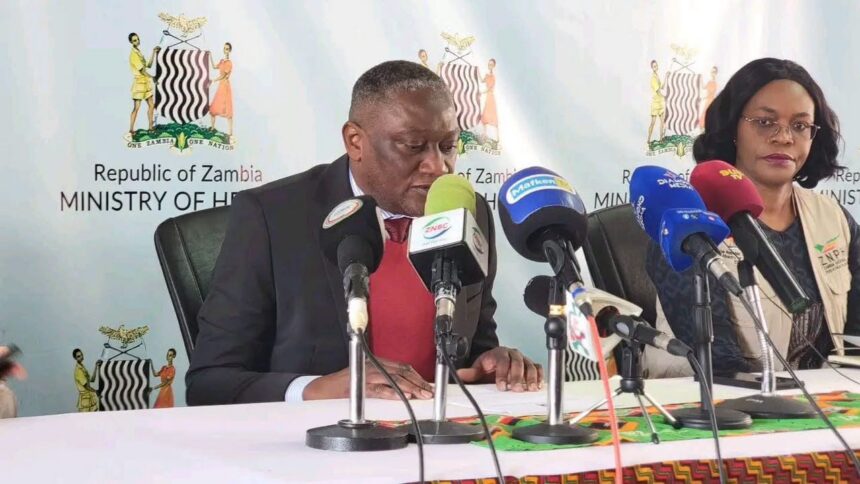
Permanent Secretary for Technical Services Dr. Kennedy Lishimpi said epidemiological investigations have revealed that 87.4 percent of all confirmed measles cases involved children with unknown or missing immunisation histories. This finding points to significant immunity gaps within communities and explains why the disease has been able to spread among vulnerable populations. Children who have not received routine vaccinations remain at the highest risk of contracting measles and developing serious complications. Health experts have long emphasized that high vaccination coverage is essential for preventing outbreaks and protecting those who cannot be vaccinated due to medical conditions. The latest findings reinforce the importance of ensuring that every eligible child receives recommended vaccines on schedule.
In response to the outbreak, the Government has activated the National Public Health Emergency Operations Centre to coordinate response activities across the country. The emergency response includes enhanced surveillance, rapid investigation of suspected cases and strengthened coordination between national, provincial and district health authorities. Officials are working closely with healthcare facilities and community health teams to identify new infections as early as possible. Rapid response teams have also been deployed to affected communities to support disease control measures and provide health education. These coordinated efforts are intended to limit further transmission while ensuring that resources are directed to the areas most in need.
One of the most important interventions announced by the Ministry of Health is an emergency Measles-Rubella vaccination campaign scheduled to run from 6 to 11 July. The campaign will initially focus on five high-risk districts where the risk of transmission is considered greatest. During this period, children aged between six months and nine years will be targeted for vaccination to boost immunity and interrupt the spread of the virus. Health workers will conduct vaccination activities within communities while ensuring that eligible children are reached as quickly as possible. The campaign represents a critical step in protecting children who may have missed previous routine immunisation opportunities.
Alongside the vaccination campaign, the Ministry has strengthened disease surveillance systems to improve the detection and reporting of new cases. Laboratory testing capacity has also been reinforced to ensure suspected infections are confirmed quickly and accurately. Contact tracing teams are actively identifying people who may have been exposed to confirmed cases in order to reduce further spread. These public health measures are designed to detect outbreaks early and contain them before they expand into larger community transmission. Effective surveillance remains one of the most important tools in managing infectious disease outbreaks.
Health authorities have appealed directly to parents and guardians to ensure their children receive all recommended routine vaccinations. Officials have stressed that vaccination remains the safest and most effective way to protect children from measles and other vaccine-preventable diseases. Parents have also been encouraged to seek immediate medical attention if their children develop symptoms such as fever, rash, cough, runny nose or red eyes. Early diagnosis and treatment can help reduce complications while limiting opportunities for the disease to spread to others. Public cooperation is expected to play a vital role in bringing the outbreak under control.
The Ministry of Health has also called on community leaders, teachers, faith-based organisations and members of the media to support ongoing vaccination efforts. These groups have been encouraged to help educate communities about the importance of immunisation while addressing misinformation that may discourage vaccine uptake. Trusted local leaders often play an important role in promoting public health messages and encouraging families to participate in vaccination campaigns. Accurate information is particularly important during disease outbreaks when false claims can undermine response efforts. Strong community engagement is therefore considered essential to the success of the emergency response.
Despite the current measles outbreak, Dr. Kennedy Lishimpi reassured the public that Zambia has not recorded any cases of Ebola or cholera. He emphasized that the country’s public health surveillance systems continue to monitor multiple diseases while ensuring rapid action whenever threats emerge. The assurance aims to prevent unnecessary public concern while allowing health authorities to focus resources on controlling the measles outbreak. Officials have reiterated that vaccination remains Zambia’s strongest defence against vaccine-preventable diseases and continues to save countless lives every year. The Ministry has pledged to provide regular public updates as the situation evolves and response activities continue.
The launch of Zambia’s emergency measles response demonstrates the Government’s commitment to protecting public health and preventing further loss of life. Through coordinated surveillance, laboratory testing, rapid response teams and an emergency vaccination campaign, health authorities are working to contain the outbreak and close existing immunity gaps. The active participation of parents, healthcare workers, community leaders and development partners will be essential in ensuring the success of these interventions. By strengthening routine immunisation and responding quickly to emerging cases, Zambia can reduce the spread of measles and better protect its children from preventable diseases. The ongoing response highlights the importance of vaccination as a cornerstone of public health and a critical investment in the country’s future.