







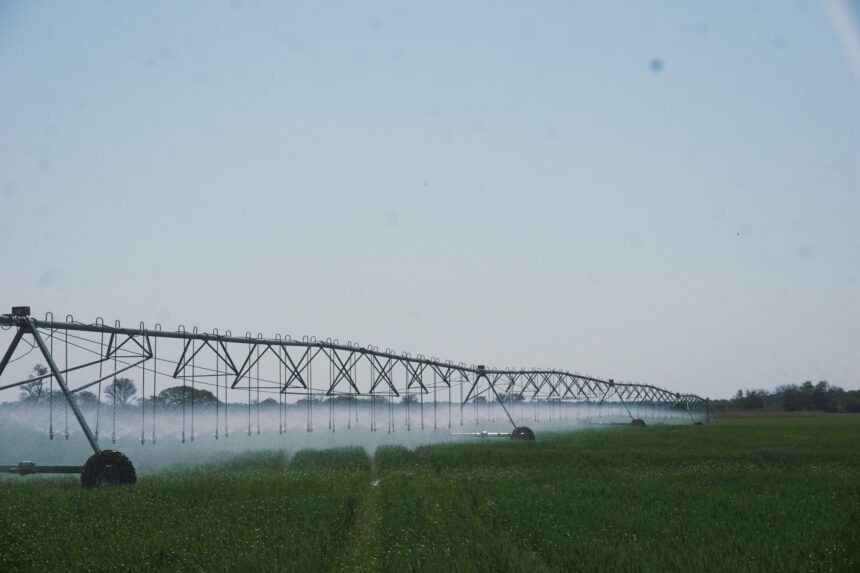
The thriving wheat crop at the Malombe Irrigation Scheme in Sioma District highlights the significant role that modern irrigation plays in transforming agriculture across Zambia. Situated along the banks of the mighty Zambezi River, the project has become a symbol of progress, demonstrating how strategic investments in agricultural infrastructure can improve food production while creating sustainable livelihoods for farming communities. As climate change continues to affect rainfall patterns and increase uncertainty for farmers, irrigation schemes such as Malombe provide a reliable solution that allows crops to be cultivated throughout the year. This approach reduces dependence on seasonal rainfall and helps farmers maintain stable production regardless of changing weather conditions. The success of the wheat currently growing at the scheme reflects the Government’s continued commitment to strengthening food security, increasing agricultural productivity and improving the economic well-being of rural communities.
The Malombe Irrigation Scheme was officially commissioned by President Hakainde Hichilema in May 2026, marking another major milestone in Zambia’s broader agricultural transformation agenda. The commissioning represented more than the opening of a new farming project because it reinforced the Government’s determination to modernise the agricultural sector through improved infrastructure and innovative farming practices. By investing in irrigation development, Zambia is positioning itself to produce more food locally while reducing the risks associated with unpredictable weather. The project also demonstrates the importance of long-term planning in agriculture, where infrastructure investments continue delivering benefits for many years after construction. Farmers now have greater confidence to expand production, knowing they have access to dependable water supplies that support consistent crop growth.
One of the greatest advantages of the Malombe Irrigation Scheme is its strategic location along the Zambezi River, one of Africa’s largest and most reliable waterways. Access to a continuous water source enables farmers to grow crops throughout the year instead of limiting production to the rainy season. This capability significantly improves productivity because multiple planting cycles become possible, allowing farmers to maximise the use of available land. Reliable irrigation also supports better crop management by ensuring that plants receive sufficient water during critical stages of growth. As a result, wheat fields remain healthy and productive, contributing to higher yields that benefit both individual farmers and the country’s overall food supply.
The flourishing wheat fields currently visible at Malombe serve as practical evidence of the positive outcomes that can be achieved through targeted agricultural investment. Healthy crops not only indicate successful irrigation but also reflect improved farming practices, better planning and access to modern agricultural technologies. Wheat remains one of Zambia’s most important staple crops, and increasing local production helps reduce dependence on imports while strengthening national food reserves. Higher wheat output also supports industries such as milling and food processing, creating value across the agricultural supply chain. As production continues to grow, the benefits extend beyond the farms themselves by contributing to broader economic development.
Climate change has emerged as one of the greatest challenges facing agriculture across Southern Africa, making irrigation increasingly important for sustainable farming. Unpredictable rainfall, prolonged dry spells and extreme weather events have affected crop production in many regions, placing food security under pressure. Projects like the Malombe Irrigation Scheme provide an effective response by giving farmers reliable access to water regardless of seasonal rainfall. This resilience allows communities to continue producing food even during difficult climatic conditions, helping to reduce the risk of crop failures. In addition, irrigation enables farmers to diversify their crops and improve income opportunities throughout the year.
The Government’s investment in irrigation infrastructure forms part of a broader strategy to increase agricultural productivity and improve national food and nutrition security. Expanding irrigation schemes creates opportunities for more farmers to participate in commercial agriculture while strengthening the country’s capacity to meet growing food demand. Increased production supports stable food supplies, which can help reduce shortages and improve access to nutritious food for households across Zambia. At the same time, improved agricultural performance contributes to national economic growth by generating higher incomes and expanding export opportunities. These combined benefits demonstrate why irrigation continues to be a priority within Zambia’s agricultural development plans.
Employment creation is another important outcome associated with the Malombe Irrigation Scheme and similar agricultural investments. Large-scale farming activities require workers for land preparation, irrigation management, planting, harvesting and post-harvest handling. Additional jobs are also created in transportation, equipment maintenance, storage facilities and agricultural input supply businesses. These employment opportunities stimulate local economies by increasing household incomes and supporting small businesses that provide goods and services to farming communities. Young people in rural areas can particularly benefit from expanded employment prospects within the agricultural sector, reducing migration to urban centres in search of work.
The project also empowers local farming communities by providing access to reliable infrastructure that supports long-term agricultural success. Farmers are better positioned to adopt improved farming methods, increase production and participate in commercial markets with greater confidence. Reliable irrigation reduces production risks, allowing farmers to make long-term investments in their operations while improving household incomes. Increased productivity also strengthens community resilience by ensuring that families have greater access to both food and financial resources. As more farmers experience the benefits of irrigation, the potential for sustained rural development continues to grow.
The success of the Malombe Irrigation Scheme also contributes to the Government’s ambitious 1 Million Tonnes of Wheat Project. Expanding wheat production through modern irrigation helps Zambia move closer to achieving higher national output while improving self-sufficiency in wheat production. Greater domestic production reduces reliance on imported wheat, strengthens food security and keeps more economic value within the country. As irrigation schemes continue to expand across different provinces, Zambia can steadily build the capacity needed to achieve its long-term production targets. The healthy wheat fields at Malombe demonstrate that such national goals are achievable through consistent investment and effective implementation.
The thriving wheat crop at the Malombe Irrigation Scheme stands as clear evidence that strategic investments in irrigation can transform agriculture while improving the lives of rural communities. The project showcases how reliable water access, modern infrastructure and Government support can work together to increase productivity, strengthen food security and build resilience against climate change. It also highlights the enormous agricultural potential of Western Province and the important role the region can play in Zambia’s future food production. As the country continues expanding irrigation infrastructure and supporting initiatives such as the 1 Million Tonnes of Wheat Project, more farming communities are expected to benefit from increased opportunities for growth and prosperity. The continued success of the Malombe Irrigation Scheme serves as an encouraging example of how sustainable agricultural development can contribute to national economic progress while ensuring a more secure food future for generations to come.