







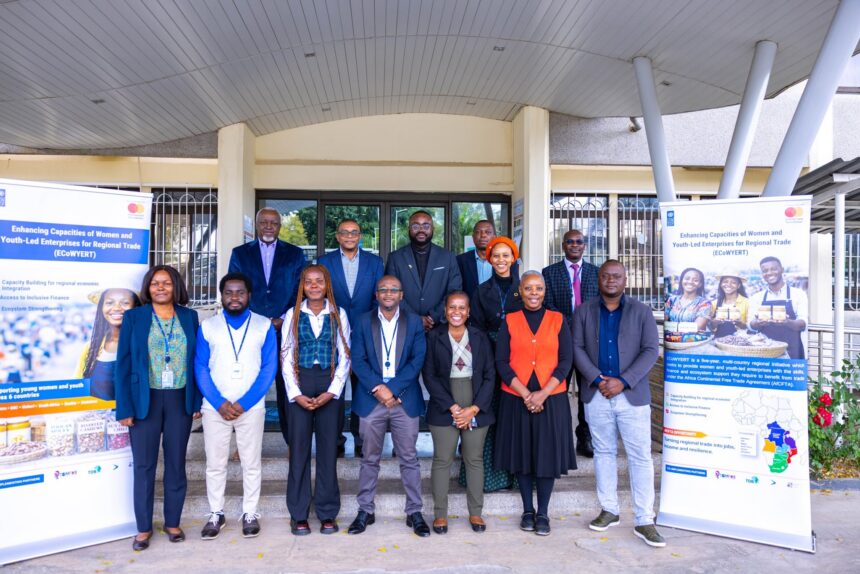
The ECoWYERT Program has reached a significant milestone with the successful convening of its first official in-person Youth Advisory Group (YAG) meeting in Lusaka, Zambia. The gathering brought together youth representatives from the six participating countries, marking the beginning of a stronger and more coordinated approach to youth participation within the regional initiative. The meeting highlighted the program’s commitment to ensuring that young people are not only beneficiaries of development projects but also active contributors to decision-making processes. By creating a platform where youth voices can directly influence strategic planning, the ECoWYERT Program is strengthening inclusive governance and promoting meaningful participation. This milestone reflects a growing recognition that sustainable development is achieved when young people are empowered to help shape the policies and programmes that affect their lives.
The Youth Advisory Group forms an important part of the ECoWYERT Program’s governance structure and works alongside the Program Steering Committee. This arrangement ensures that young people have a formal role in strategic discussions and decision-making throughout the implementation of the project. Rather than serving as observers, Youth Advisory Group members actively contribute ideas, provide feedback and represent the interests of young entrepreneurs and women-led enterprises across the region. Their involvement helps ensure that project activities remain relevant, practical and responsive to the real challenges facing young people. The governance model demonstrates the program’s commitment to participatory leadership and shared responsibility.
One of the primary objectives of the Youth Advisory Group is to help shape interventions that respond to the evolving needs of women and youth-led enterprises. Across many countries, young entrepreneurs continue to face barriers such as limited access to finance, restricted market opportunities, inadequate business support and skills development challenges. Women-led enterprises often experience additional obstacles that require targeted solutions and inclusive policies. Through the Youth Advisory Group, participants are able to share experiences from their respective countries and contribute valuable perspectives that strengthen programme design and implementation. Their recommendations help ensure that project interventions remain practical, inclusive and capable of delivering lasting impact.
The meeting in Lusaka also provided an important opportunity for collaboration among young leaders from different countries. Bringing together representatives from all six participating nations encouraged dialogue, knowledge sharing and the exchange of innovative ideas. Each participant contributed unique experiences shaped by the economic and social realities within their own country, enriching discussions and broadening the group’s collective understanding of regional challenges. These interactions help build stronger partnerships while creating opportunities for members to learn from successful initiatives implemented elsewhere. Such collaboration strengthens regional cooperation and supports the development of solutions that can benefit young entrepreneurs across borders.
Peer learning emerged as one of the key outcomes of the inaugural meeting. By engaging directly with fellow youth leaders, members of the Youth Advisory Group were able to discuss best practices, identify common challenges and explore new approaches to supporting entrepreneurship and economic empowerment. Peer learning creates an environment where practical experiences complement technical knowledge, allowing participants to develop stronger leadership and problem-solving skills. These exchanges also encourage innovation by exposing members to different ideas and successful models from across the region. As the program progresses, continued peer engagement is expected to strengthen both individual leadership capacity and collective impact.
Youth leadership remains at the heart of the ECoWYERT Program’s long-term vision. Empowering young people to participate in governance ensures that future interventions reflect the priorities and aspirations of those they are designed to support. The Youth Advisory Group provides members with valuable leadership experience while encouraging accountability, collaboration and active civic participation. Through their ongoing involvement, these young leaders will contribute to monitoring project implementation, identifying emerging challenges and recommending improvements where necessary. Their participation reinforces the belief that young people possess the knowledge, creativity and determination needed to drive sustainable development.
The establishment of the Youth Advisory Group also demonstrates the importance of institutionalising youth participation rather than treating it as a one-time consultation. By embedding youth representation within the program’s governance framework, the ECoWYERT Program creates a sustainable mechanism for continuous engagement throughout the life of the project. This approach allows young people to contribute consistently as programmes evolve and new priorities emerge. It also strengthens transparency by ensuring that diverse perspectives are considered during strategic planning and implementation. Such inclusive governance models are increasingly recognised as essential for achieving effective and equitable development outcomes.
The first official in-person meeting of the ECoWYERT Youth Advisory Group in Lusaka marks an important step toward strengthening youth participation, regional collaboration and inclusive decision-making. By bringing together representatives from six participating countries, the program has established a solid foundation for peer learning, leadership development and meaningful engagement throughout the project’s lifespan. The Youth Advisory Group will play a vital role in shaping interventions that respond to the needs of women and youth-led enterprises while ensuring that young voices remain central to strategic discussions. As the ECoWYERT Program continues to grow, the commitment to empowering young leaders will contribute to stronger institutions, more responsive programmes and greater opportunities for entrepreneurship across the region. This milestone demonstrates that when young people are given a seat at the decision-making table, they become powerful partners in building sustainable economic growth and inclusive development.