


One year after the death of Zambia’s sixth Republican President, Edgar Lungu, the country continues to face an unresolved and highly sensitive dispute over his final resting place. The issue has resurfaced with renewed urgency as political leaders, church bodies and civic organisations weigh in on a matter that remains before courts in South Africa. Instead of a completed burial, the anniversary has been marked by statements, appeals and legal updates that highlight how complex the disagreement has become. The situation has drawn attention across Zambia and beyond, as the former Head of State remains unburied twelve months after his death in Pretoria. The ongoing uncertainty has turned what was once a private family matter into a prolonged national and international legal and political issue.
At the centre of the dispute is the question of whether Edgar Lungu should be buried in Zambia or in South Africa, where he died. The government position has largely supported repatriation and a state funeral, while members of the family have insisted that his personal wishes should be respected. This disagreement has resulted in a legal battle that continues to move through the South African court system. The Supreme Court of Appeal recently heard arguments from both the Zambian government and representatives of the Lungu family, with judgment still pending. Until a final ruling is made, no burial arrangements can proceed, leaving the matter unresolved.
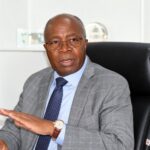
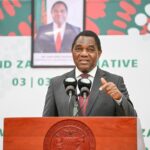
Political voices have become more prominent as the anniversary passed, with former Defence Minister Given Lubinda calling for the family to allow the burial process to move forward. He appealed for unity and urged all parties to reach common ground that would allow the former president to be laid to rest with dignity. His remarks followed reports suggesting that President Hakainde Hichilema would not attend the funeral if arrangements proceeded under current conditions. Lubinda warned that continued delay was causing emotional strain among supporters and deepening national divisions. His intervention added further political weight to a dispute that has increasingly involved competing public narratives.
Religious organisations have also expressed concern about how the situation is being handled. The Evangelical Fellowship of Zambia, through Executive Director Allan Kasung’ami, advised its member churches and affiliated groups not to participate in or endorse memorial activities linked to the anniversary until burial arrangements are finalised. The church body argued that commemorations without closure could add confusion and deepen public sensitivity around the issue. This position reflects the broader concern within faith communities about maintaining respect and order during periods of national mourning. The involvement of church institutions has added another layer of influence to an already complex national conversation.
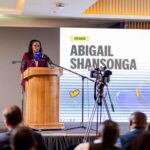
Civil society voices have also entered the debate, with activist Brebner Changala describing the continued delay as a source of embarrassment for the country. He argued that the situation should have been resolved long before reaching the one year mark, especially given the public stature of the late president. Changala said the ongoing uncertainty has prolonged distress for both the family and citizens who expected closure. His comments reflect a growing sentiment among some observers that the dispute has extended beyond reasonable timelines for burial arrangements. The issue continues to attract attention from groups calling for a faster and more definitive resolution.
The legal proceedings in South Africa remain the central factor delaying any final decision. The Supreme Court of Appeal is currently reviewing arguments from both sides, with the family seeking to overturn an earlier ruling that supported repatriation to Zambia. Previous attempts to proceed with burial plans have been suspended due to court interventions, while negotiations outside the legal system have not produced agreement. The case has now become a cross border legal matter involving competing interpretations of rights, wishes and state responsibilities. The outcome of the court decision is expected to determine the final direction of the dispute.
The broader political environment has intensified attention on the matter, especially as developments continue during an election period. Every statement from political figures, church leaders and civic actors adds to public debate about how the issue should be resolved. Supporters of different positions continue to express strong views on whether state honours or family preferences should take precedence. The absence of closure has kept the issue in the public spotlight and sustained national interest throughout the year. This ongoing attention reflects both the significance of the former president’s legacy and the sensitivity surrounding his burial arrangements.
One year after Edgar Lungu’s death, the situation remains unresolved, with legal proceedings ongoing and public debate continuing across Zambia. The former president is still not buried, and no final agreement has been reached between the government and his family. The courts now hold the key to determining where he will ultimately be laid to rest. Until that decision is made, the dispute is expected to remain a central issue in both political and public discourse. The country continues to wait for closure on a matter that has deeply affected national conversation and collective mourning.