


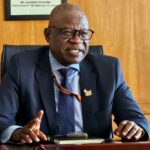

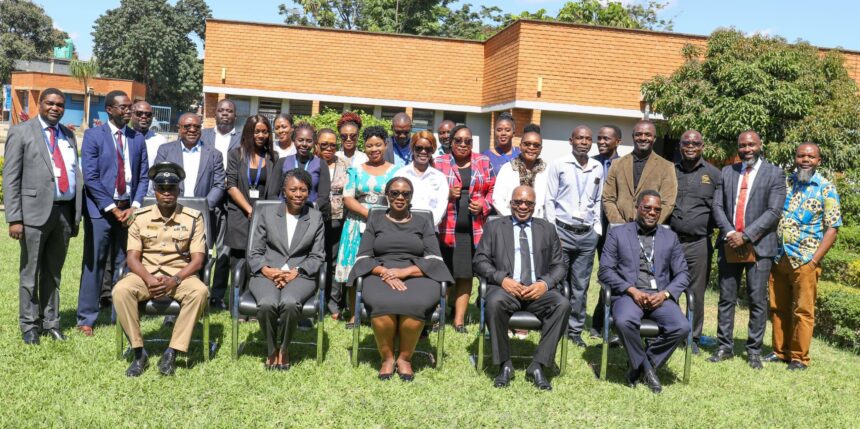
Zambia has reinforced its commitment to credible and professional election coverage as preparations intensify for the forthcoming General Elections scheduled for August. This commitment was emphasized during the ZNBC Election Reporting Workshop held at the Mass Media Complex, where government officials and media practitioners gathered to strengthen journalistic standards ahead of a highly sensitive political period. The workshop was officiated by Information and Media Permanent Secretary Thabo Kawana, represented by Acting Permanent Secretary Madrine Mbuta. The engagement focused on the critical role of the media in safeguarding democracy through accurate, fair and responsible reporting. With elections approaching, the importance of reliable information has become central to maintaining public trust and national stability.
Speaking at the workshop, Mr Kawana highlighted that the timing of the training is significant as the country prepares for a major democratic exercise. He reaffirmed government’s commitment to supporting a free, professional and credible media environment where journalists can operate safely and without fear before, during and after the elections. He emphasized that the media is not simply an observer of democratic processes but an essential partner in ensuring their success. This recognition places journalists at the heart of democratic accountability and public engagement. It also reinforces the expectation that media institutions must uphold integrity while informing citizens.
Mr Kawana praised the Zambia National Broadcasting Corporation for its nationwide reach and trusted role in delivering information to millions of citizens. He noted that ZNBC plays a particularly important role during elections by ensuring that voters across the country receive timely and accurate updates. Its broad coverage helps bridge information gaps between urban and rural areas, making it a key player in national communication. The Permanent Secretary stressed that this responsibility must be handled with the highest level of professionalism. He added that public trust in media institutions depends on consistency, accuracy and balanced reporting.
A major focus of the workshop was the importance of fairness, balance and accuracy in election coverage. Mr Kawana emphasized that reporting must reflect equal access for all political parties and candidates in line with the Constitution of Zambia, the Electoral Code of Conduct and the ZNBC Act. He urged journalists and editors to avoid bias and ensure that all eligible participants in the electoral process are covered fairly. This approach, he noted, is essential for maintaining credibility in the media sector. It also ensures that citizens are provided with reliable information to make informed electoral choices.
The Acting Permanent Secretary further encouraged the inclusion of women, youth and persons with disabilities in election-related discussions. He stated that democratic dialogue must reflect the diversity of the nation and promote inclusive participation across all groups. Representation of different voices strengthens public debate and ensures that no segment of society is excluded from national decision-making processes. He highlighted that inclusive reporting helps build a more balanced and representative democracy. This approach also encourages broader civic engagement, especially among historically underrepresented communities.
Journalists were also reminded of their responsibility to act as trusted filters of information in an increasingly digital media environment. Mr Kawana called for stronger fact-checking practices, responsible use of digital platforms and strict adherence to ethical standards both on air and online. He noted that misinformation and unverified content can easily spread during election periods, potentially undermining public confidence. Journalists were encouraged to verify facts before publication and to maintain transparency in their reporting processes. These practices are essential for ensuring that the public receives accurate and trustworthy information.
The government also reiterated its commitment to safeguarding journalists as they carry out their duties during the electoral period. Mr Kawana stated that authorities are working closely with the Zambia Police Service to ensure that media personnel are protected while reporting on election-related activities. This cooperation is intended to create a secure working environment for journalists across the country. Protection of media workers is seen as a key element in promoting press freedom and ensuring uninterrupted coverage of national events. A safe environment allows journalists to focus on delivering accurate and timely information without intimidation.
Participants at the workshop, including producers, reporters and editors, were encouraged to fully engage in the training sessions. They were urged to deepen their understanding of electoral laws and strengthen their professional skills in preparation for election coverage. The training is designed to enhance editorial decision-making and improve the overall quality of reporting during the electoral period. Journalists were also encouraged to recommit themselves to excellence and uphold the highest standards of journalism. Continuous professional development was highlighted as essential in adapting to the evolving media landscape.
The ZNBC Election Reporting Workshop reflects Zambia’s broader efforts to strengthen democratic processes through responsible media engagement. By reinforcing principles of fairness, accuracy and inclusivity, the initiative aims to ensure that citizens receive reliable information during a critical national period. The emphasis on professional standards and journalist safety highlights the importance of a strong media sector in supporting democratic governance. As the country moves closer to the August elections, the role of the media will remain central in shaping public understanding and participation. This commitment sets a foundation for credible election coverage and a more informed electorate.