




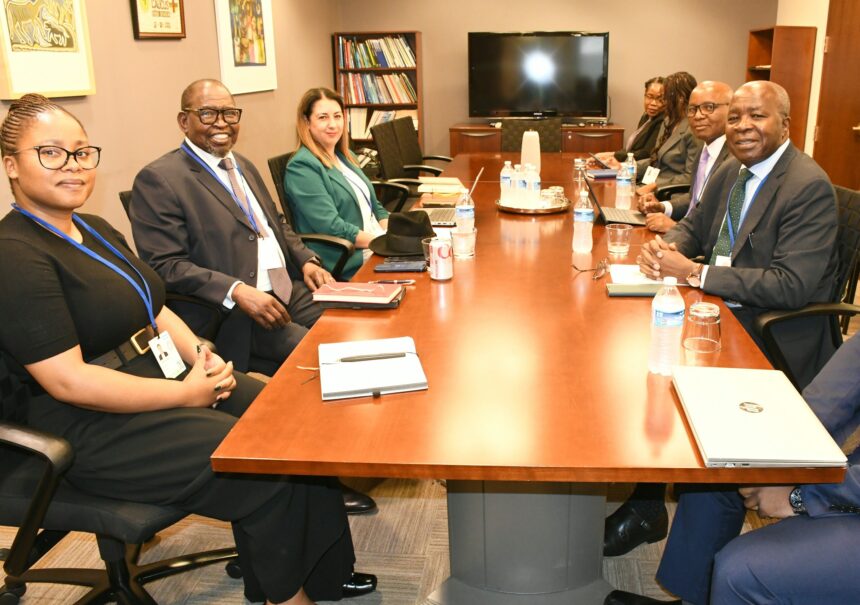
Day one of the 2026 IMF–World Bank Spring Meetings in Washington, D.C. set a focused tone for economic dialogue and regional cooperation, with African leaders using the global platform to align priorities and refine strategies for growth. Among the key engagements was a high-level meeting between Situmbeko Musokotwane and Enoch Godongwana, where both leaders explored practical ways to strengthen economic ties between Zambia and South Africa. The discussion took place on the margins of the broader meetings organized by the International Monetary Fund and the World Bank, institutions that play a central role in shaping global financial stability and development support. This engagement reflected a shared urgency to address structural challenges affecting African economies while unlocking new opportunities for regional integration. It also highlighted the importance of collaboration in a global environment marked by uncertainty, shifting trade dynamics, and rising debt pressures.
The meeting focused heavily on improving trade corridors and logistics chains, which remain critical to economic performance across Southern Africa. Both Zambia and South Africa rely on efficient transport systems to move goods across borders, support exports, and sustain industrial activity. Bottlenecks in ports, rail networks, and border posts have historically increased costs and reduced competitiveness for businesses operating in the region. By addressing these inefficiencies, the two countries aim to create faster and more reliable supply routes that can support sectors such as mining, agriculture, and manufacturing. Stronger logistics systems also reduce delays, improve market access, and help attract foreign investment, which remains a key driver of growth.
Another central theme of the discussion was how African countries can better optimize the benefits derived from their natural resources. Zambia, known for its copper reserves, continues to explore ways to increase value addition and ensure that resource wealth translates into long-term economic gains. South Africa, with its diversified mineral base, brings experience in managing large-scale extraction industries and integrating them into broader economic systems. The exchange of perspectives between the two finance ministers created space for practical policy alignment, especially in areas such as taxation, beneficiation, and sustainable resource management. These discussions are important because resource-rich economies often face challenges in converting raw exports into inclusive growth, and coordinated strategies can help address these gaps.
The progress made by Zambia in its debt restructuring process also formed a key part of the engagement, reflecting ongoing efforts to restore fiscal stability and rebuild investor confidence. Zambia has been working closely with international creditors to restructure its debt, a process that requires careful negotiation and alignment among multiple stakeholders. South Africa’s role as Vice Chair of the Official Creditors Committee adds strategic weight to these discussions, as it positions the country to influence outcomes and support fair and sustainable solutions. The dialogue between the two ministers provided an opportunity to assess progress, identify remaining challenges, and strengthen cooperation in navigating complex financial frameworks. Successful debt restructuring is essential for freeing up resources that can be redirected toward development priorities such as infrastructure, healthcare, and education.
Beyond the technical aspects of trade, resources, and debt, the meeting underscored the broader importance of policy coordination across African economies. When countries align their economic strategies, they create a more predictable and stable environment for investors and development partners. This kind of coordination also supports regional initiatives aimed at boosting intra-African trade and reducing dependence on external markets. By sharing knowledge and aligning policies, countries like Zambia and South Africa can accelerate reforms and respond more effectively to global economic shifts. These engagements also strengthen diplomatic ties, which play a key role in advancing collective interests on the international stage.
The significance of this engagement extends beyond the immediate outcomes of the meeting, as it reflects a growing recognition that African countries must work together to build resilience and unlock shared opportunities. Strategic partnerships between key economies in the region can drive innovation, improve infrastructure, and create jobs. They also help ensure that reforms are not implemented in isolation but are supported by a broader network of cooperation and shared goals. As global economic conditions continue to evolve, such collaborations become even more important in safeguarding growth and stability.
The discussions led by Situmbeko Musokotwane and Enoch Godongwana at the IMF–World Bank Spring Meetings 2026 demonstrate a clear commitment to turning dialogue into action. By focusing on practical solutions and shared priorities, both countries are positioning themselves to navigate economic challenges with greater confidence. These engagements show that regional cooperation is not just a policy goal but a necessary tool for achieving sustainable development. The outcomes of these discussions are likely to influence future policy decisions and strengthen economic ties between Zambia and South Africa.