

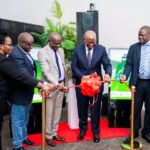






A high-level delegation from Vietnam has arrived in Zambia for a working visit focused on agricultural transformation, following a Zambian delegation’s visit to Vietnam last month. This visit forms part of a bilateral cooperation program aimed at deepening collaboration in agriculture, value chains, and related sectors. It underscores the commitment of both countries to translate warm diplomatic relations into practical cooperation that enhances productivity, value addition, rural incomes, and food system resilience. Zambia is hosting the delegation at a critical moment in its development agenda, seeking to strengthen agriculture as a foundation for long-term structural transformation. The official program began with a welcome dinner at SAROVAR HOTEL in Lusaka on April 8, 2026, hosted by the Zambian Government.
The dinner was attended by key officials, including Dr. Situmbeko Musokotwane, Minister of Finance and National Planning, and Mr. Reuben Mtolo Phiri, Minister of Agriculture. The event set the tone for a mission defined not by ceremonial gestures but by purposeful engagement, policy dialogue, and actionable learning. The Vietnamese delegation is led by Dr. Pham Ngoc Mau, Vice Director of the Department of International Cooperation in Vietnam’s Ministry of Agriculture and Environment. The team includes senior experts in international cooperation, agricultural policy, high-technology agriculture, plant production, and environmental systems. Notable members include Dr. Cao Duc Phat, former Minister of Agriculture and Rural Development, and Dr. Dang Kim Son, Chairman of the Association of High-Tech Agricultural Enterprises.
The visit is structured to maximize practical impact. Rather than limiting activities to diplomatic exchanges, both Zambia and Vietnam designed the program around substantive interaction with policymakers, technical experts, producers, regulators, researchers, processors, and provincial authorities. This approach recognizes that agricultural transformation is most effective when diplomacy is linked to institutions, policy is connected to production systems, and international engagement translates into domestic capacity, jobs, and prosperity. The delegation is scheduled to attend high-level meetings with Cabinet members and senior officials, followed by engagements with the Presidential Delivery Unit, Public-Private Dialogue Forum, and key ministries and agencies, including NISIR, the Zambia Bureau of Standards, the Zambia Development Agency, and the Industrial Development Corporation.
Technical engagements focus on critical value chains such as coffee and rice. Meetings include the Coffee Growers Association, the Coffee Board, Zambia Agriculture Research Institute, Seed Control and Certification Institute, and Phytosanitary and Quarantine Services. Discussions cover Zambia’s rice sector, seed systems, phytosanitary regulations, and field visits to research sites. Additional meetings with the Zambia Seed Traders Association and the Zambia National Farmers Union integrate research, regulation, production, and commercialization into one framework. These interactions aim to ensure that agriculture becomes more productive, competitive, and export-ready while strengthening local capacities and market opportunities.
The visit extends beyond Lusaka to Mongu, Mansa, and Kasama, engaging provincial administrations, farmers, processors, millers, research institutions, and coffee sector actors. These visits root bilateral cooperation in the practical realities of production, logistics, processing, and local opportunities. They signal that agricultural progress must be experienced where people farm, process, trade, and invest, not only where policy is debated. The mission concludes with debriefing sessions involving the Ministers of Finance and Agriculture to agree on next steps, reinforcing continuity, clarity, and implementation.
For Zambia, this engagement comes at a pivotal point in its development trajectory. Agriculture is central to building a more productive, resilient, and inclusive economy. It connects rural livelihoods to industrial growth, strengthens food security, supports macroeconomic stability, and provides a pathway to broad-based prosperity. Partnerships that strengthen research, seed systems, irrigation, processing, market access, and value addition are strategic and essential. The Vietnam-Zambia engagement represents practical investment in learning, adaptation, and institution-building. It demonstrates a commitment to substantive, technically informed partnerships that align with national priorities and help convert productive potential into measurable development outcomes.