







A Two-Week Integrated Training of Trainers on the Capacitation of Traditional Leaders in Conflict Prevention, Management, and Resolution officially opened in Lusaka, bringing together regional peace actors for a programme running from 2nd to 13th February 2026. The initiative aims to strengthen the capacity of traditional leaders to address conflicts at community level, ensuring sustainable peace and social cohesion across the region. The training convened by the SADC Regional Peacekeeping Training Centre emphasizes a community-centred approach to conflict prevention that aligns with regional and continental peace and security frameworks.
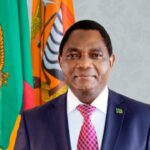
Officiating at the opening, the Minister of Local Government and Rural Development, Hon. Gift Sialubalo, MP, highlighted that sustainable peace cannot rely solely on military responses. He emphasized that communities are where conflicts originate and where reconciliation must ultimately take place. Hon. Sialubalo noted that traditional leaders remain the closest and most trusted authority for many citizens, playing a critical role in maintaining harmony, mediating disputes, and preserving social cohesion. He recalled that long before modern governance systems, traditional leadership structures successfully resolved conflicts through dialogue, consensus, and shared values.
The Minister stressed that modern challenges, including resource-based disputes, political tensions, climate-related pressures, and erosion of community cohesion, make it necessary to deliberately strengthen the capacity of traditional leaders. Aligning their role with national, regional, and continental peace frameworks ensures that leaders can address emerging risks effectively. He described the training as strategic and forward-looking, noting that the Training of Trainers model will create a pool of skilled facilitators capable of cascading knowledge and best practices across communities and institutions in the region.
Hon. Sialubalo urged participants to fully engage in the programme, share experiences openly, and translate lessons learned into practical action upon returning to their areas. He emphasized that empowering traditional leaders enhances early warning and response mechanisms, reduces the likelihood of conflicts escalating into violent crises, and promotes local ownership of peace processes. These outcomes are crucial for long-term stability, social cohesion, and sustainable development.
The training underlines the importance of inclusive, community-centred approaches to peace support operations. By equipping traditional leaders with modern conflict management skills while respecting their traditional authority, the programme strengthens the foundation for unity and stability across the SADC region. Hon. Sialubalo concluded by calling on all stakeholders to continue working together to ensure that dialogue remains the first option in resolving disputes and that traditional leadership continues to serve as a pillar of peace and harmony in communities.