




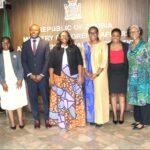


In a decisive move to promote legal and sustainable mining, the Zambian government has issued 90 letters of offer to mining cooperatives operating in Mufumbwe District, officially formalising activities at the Kikonge Gold Mine. The initiative is part of the government’s broader strategy to empower local miners, curb illegal mining, and grow the national economy through structured gold trade.
Minister of Mines and Minerals Development, Paul Kabuswe, made the announcement during a recent tour of the district, emphasising that the government is committed to ensuring Zambians benefit first from their mineral resources.
“This is a real deal for our people,” said Mr. Kabuswe. “We are helping Zambian license holders negotiate better terms with investors. The goal is to prioritise citizens and ensure they benefit first from their country’s mineral wealth.”
By issuing these licenses, the government is taking a significant step toward improving safety standards, environmental responsibility, and economic inclusion in the artisanal mining sector. Formalising operations not only allows for better monitoring and accountability but also encourages small-scale miners to transition into the formal economy, ultimately contributing to Zambia’s Gross Domestic Product (GDP).
In a related development, the Ministry of Mines has established the Mineral Regulatory Commission, a new body that will oversee transparency, efficiency, and data integrity in mineral resource management. Permanent Secretary Dr. Kabeta Hapenga said the commission will play a crucial role in strengthening the government’s oversight capabilities and ensuring accurate reporting of production and sales data.
During a surprise inspection of Mulopwe Metals Mining Limited in Kasempa District, Dr. Hapenga raised alarms about the ongoing illegal gold mining activities carried out by unregulated small-scale operators. He highlighted the risks these activities pose to both human lives and the environment due to poor safety measures and lack of proper equipment.
The formalisation drive and establishment of the Mineral Regulatory Commission signal a new era in Zambia’s mining sector—one rooted in accountability, local empowerment, and sustainable resource management. With continued reforms, the government aims to ensure that mineral wealth contributes meaningfully to national development while safeguarding the interests of local communities.